Charles Donald Fegert: Full Story of the Chicago Executive and Barbara Eden’s Husband

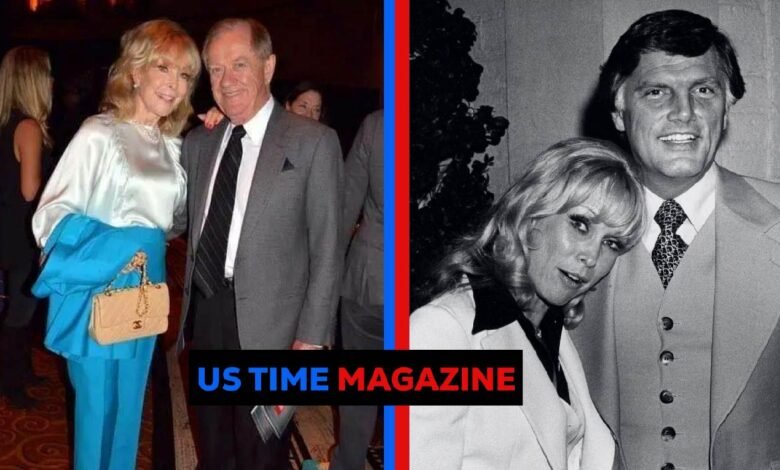
Charles Donald Fegert was an American advertising executive from Chicago who built a successful career in the newspaper industry and later became publicly known as the second husband of actress Barbara Eden. Born in 1930 and raised in a working-class neighborhood, he worked hard to create a better future for himself through education and determination. After serving in the U.S. Coast Guard and earning a business degree from Loyola University, he entered the field of advertising and steadily advanced to leadership roles at the Chicago Sun-Times and the Chicago Daily News.
Known for his strong sales skills and confident leadership style, he helped guide newspaper advertising during an important time in media history. Although his marriage brought him into the spotlight, his life story includes much more, including professional success, family life, and personal challenges that shaped who he is.
Table of Contents
TogglePersonal Details
| Detail | Information |
|---|---|
| Full Name | Charles Donald Fegert |
| Nickname | Chuck |
| Birth Year | 1930 |
| Birthplace | Chicago, Illinois, United States |
| Nationality | American |
| Education | Bachelor of Business Administration, Loyola University Chicago |
| Military Service | United States Coast Guard |
| Profession | Advertising Executive, Sales Leader |
| Famous For | Marriage to actress Barbara Eden and career at the Chicago Sun-Times |
| Marital Status | Divorced (Married three times) |
| Spouse (Well-Known) | Barbara Eden (Married 1977 – Divorced 1983) |
| Children | Four children – Michael, Chip, Lisa, and one daughter (name private) |
| Grandchildren | Seven grandchildren |
| Residence | Chicago, Illinois |
| Net Worth | Estimated at around $2.5 million |
| Death Year | 2002 |
| Age at Death | 72 years old |
| Cause of Death | Natural causes (passed peacefully in sleep) |
Early Life and Family Background
Charles Donald Fegert grew up on the South Side of Chicago during a time when the city was filled with heavy industry, hardworking families, and strong neighborhood ties. His father worked in the steel industry, a common job in that area during the 1930s and 1940s, and the family lived a modest life without luxury. Growing up in a working-class home meant that Charles learned early on the value of effort, discipline, and personal responsibility. Life was not always easy, and like many children raised during and after the Great Depression, he understood that stability came from steady work rather than from quick success.
These early years shaped his character in quiet but powerful ways, helping him develop determination and a desire to build something better for himself. The environment around him was one of change, as Chicago was expanding and modernizing, and those changes likely influenced his later interest in business, marketing, and communication. His background gave him both toughness and ambition, qualities that would define his adult life.
Age and How He Looked
Charles Donald Fegert was born in 1930 and passed away in 2002 at the age of 72. During his younger and middle years, he was described as tall, fair-skinned, and handsome, with a strong and confident presence. People who met him often noticed his neat appearance and polished style, which matched his role as a business executive. He carried himself with confidence, whether in business meetings or social events, and his friendly smile and charming personality made him stand out in a crowd.
Education and Academic Journey
Charles Donald Fegert completed his early schooling at South Shore High School in Chicago before continuing his education at Loyola University, where he earned a Bachelor of Business Administration degree. Choosing to study business was an important step that helped shape his future career in advertising and marketing.
At Loyola, he learned key subjects such as management, sales, finance, and communication, which later became essential in his professional life. His college education gave him a strong foundation in how businesses operate and how to connect with people in a professional setting. Coming from a working-class background, earning a university degree was a meaningful achievement that opened doors to better career opportunities and prepared him for leadership roles in Chicago’s newspaper industry.
Military Service and Early Career Struggles
Before achieving success in advertising, Charles Donald Fegert experienced the kind of early career challenges that shape character and work ethic. He worked in mills, which required physical strength and endurance, and he also served in the United States Coast Guard, where he developed discipline and responsibility. Military service during that era often provided young men with structure and life lessons that stayed with them for decades, and for Fegert, it likely reinforced the importance of teamwork, order, and accountability.
These early jobs were far from glamorous, but they gave him practical experience and a strong sense of independence. Moving from manual labor and military service into the world of sales and advertising shows how determined he was to create a different future for himself. His early struggles were not obstacles that stopped him; instead, they became stepping stones toward a career that would place him in executive offices rather than factory floors.
Rise in Advertising Career
Charles Donald Fegert began building his advertising career in 1955 when he joined the Chicago Sun-Times as a salesman, where he quickly proved he had strong communication skills and a natural talent for building client relationships. His ability to understand what businesses needed and help them promote their products through newspaper ads helped him rise steadily through the ranks.
In 1969, he moved to the Chicago Daily News, continuing to grow professionally and eventually earning the position of Vice President of Advertising and Marketing at both major newspapers. In this leadership role, he managed advertising strategies, worked closely with corporate clients, and guided teams during a time when print media faced growing competition from television. His steady progress showed his dedication, business knowledge, and strong leadership abilities in a changing media world.
Role at Chicago Sun-Times and Chicago Daily News
Charles Donald Fegert held important leadership roles at the Chicago Sun-Times and the Chicago Daily News, where he served as Vice President of Advertising and Marketing. In these positions, he was responsible for managing large advertising departments, developing marketing plans, and building strong relationships with business clients across Chicago.
He helped increase advertising revenue by creating smart sales strategies and guiding his teams to meet company goals. During a time when newspapers were facing new competition from television and other media, he worked to keep both publications competitive and financially strong. His leadership, experience in sales, and clear communication style made him a trusted executive in Chicago’s newspaper industry.
Business Ventures Outside the Newspaper Industry
Although newspapers were the core of his professional identity, Charles Donald Fegert also explored other business ventures throughout his life. Reports indicate that he invested in areas such as oil wells, restaurants, and even disco clubs, reflecting the entrepreneurial spirit common in the 1970s and 1980s. These ventures show that he was not content to rely on a single source of income but was willing to take calculated risks in search of growth.
In addition to business investments, he was involved in community and charity events in Chicago, often serving as a master of ceremonies at gatherings. His ability to speak confidently in front of audiences made him a natural choice for hosting events, and this public presence added another layer to his personality. These activities demonstrate that his life was not limited to an office setting; he engaged with the broader community and used his communication skills in many different environments.
How Charles Donald Fegert Met Barbara Eden
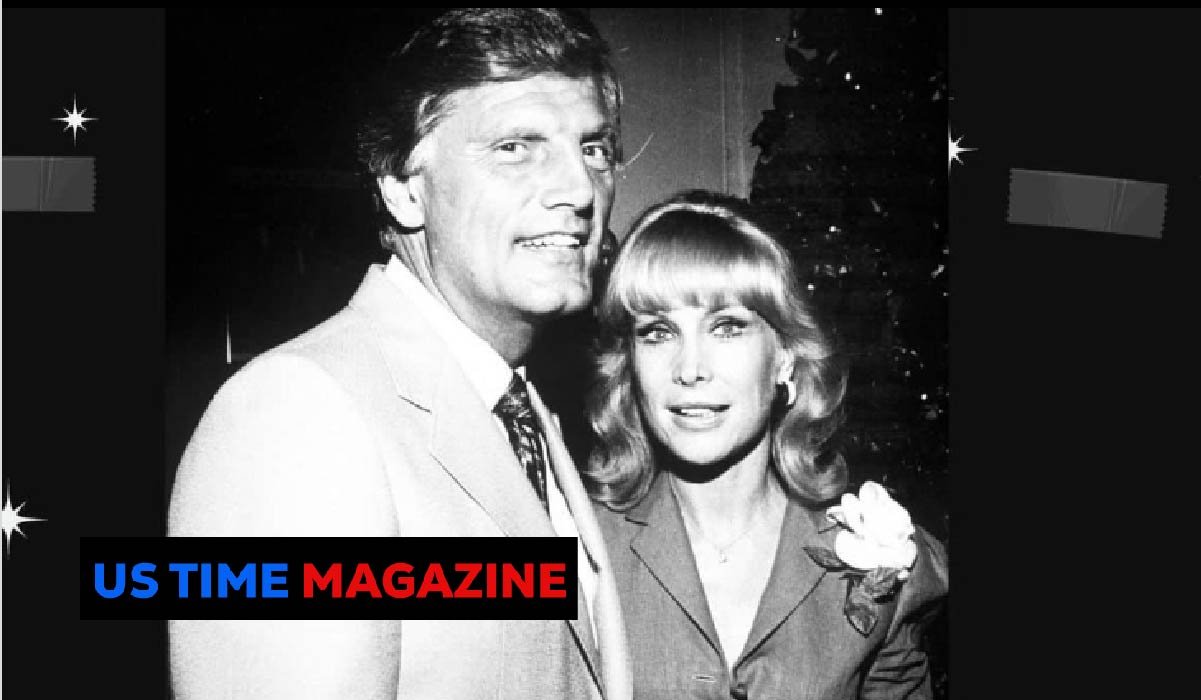
Charles Donald Fegert’s life took a dramatic turn in 1974 when he met actress Barbara Eden in Chicago while she was performing there. Barbara Eden was already widely known for her role as Jeannie in the television series I Dream of Jeannie, which had made her a household name across America. According to accounts shared later, Fegert had not even seen the show before meeting her, yet he was immediately drawn to her personality and beauty.
Determined to win her attention, he began sending her flowers twice a day, one bouquet in the morning and another in the evening, each accompanied by a simple card marked with the letter “C.” This steady display of affection impressed Eden, and the two began dating. Over the next three years, he reportedly flew to see her more than thirty times, showing a strong commitment despite the distance between Chicago and Los Angeles. Their relationship combined romance with the excitement of two different worlds coming together—business and entertainment.
Marriage to Barbara Eden
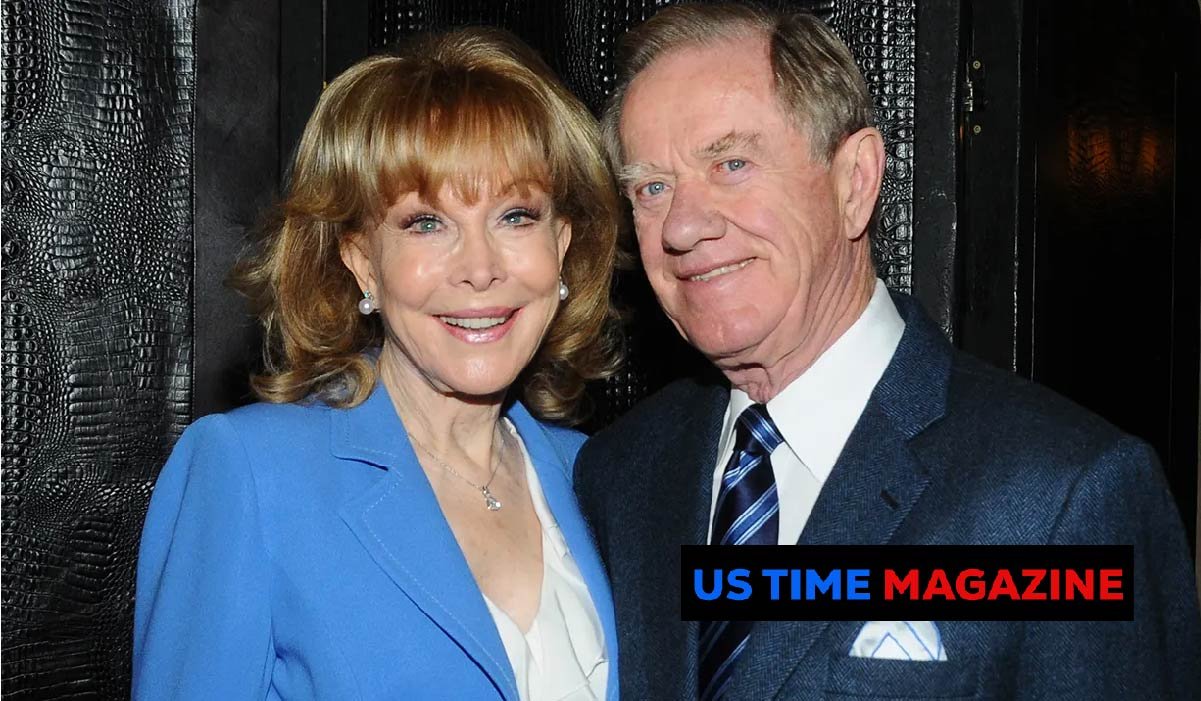
On September 3, 1977, Charles Donald Fegert and Barbara Eden were married in a ceremony that attracted media attention due to Eden’s fame. For Fegert, who had spent most of his life outside the spotlight, the marriage brought new public visibility. After the wedding, Eden moved to Chicago to live with him in a high-end condominium overlooking Lake Michigan, valued at more than $250,000 at the time.
The move marked a significant change for Eden, who left Los Angeles and her established Hollywood environment to join her husband in the Midwest. Their marriage blended two different lifestyles and required adjustment on both sides. Fegert became a stepfather figure to Eden’s son, while Eden adapted to life in Chicago and to being part of a large family that included Fegert’s children from previous marriages. In the early years, their relationship was seen as romantic and promising, symbolizing a union between a successful businessman and a beloved actress.
Who Is Barbara Eden?
Barbara Eden is an American actress and singer best known for playing the magical genie in the popular 1960s television series I Dream of Jeannie. Born in 1931 in Tucson, Arizona, she began her career in music and beauty pageants before moving into film and television in the 1950s. Her role as Jeannie made her a household name and one of the most recognized television stars of her time.
Over the years, she appeared in many films, TV shows, and stage performances, building a long and successful career in entertainment. Her charm, talent, and bright screen presence helped her remain popular for decades, and her marriage to Charles Donald Fegert brought attention to his life as well.
Challenges in Their Marriage
Despite a hopeful beginning, the marriage between Charles Donald Fegert and Barbara Eden faced serious difficulties over time. In her memoir, Eden later described her husband as intelligent and charming but also insecure and prone to mood changes. She stated that he struggled with substance use and that his behavior became increasingly difficult, including episodes of emotional and physical abuse. These issues placed great strain on their relationship, and the pressures of public attention did not make matters easier.
Living in the shadow of celebrity while maintaining a demanding executive career may have contributed to tension, though personal responsibility remained central to the challenges they faced. The couple separated in March 1982, and their divorce was finalized in 1983. While the marriage lasted about five years, it left a lasting mark on both individuals, serving as a reminder that love and compatibility are not always enough to overcome deeper problems.
Life After Divorce
After his divorce from Barbara Eden, Charles Donald Fegert returned to a more private life in Chicago. He continued working in advertising and business, focusing on professional responsibilities rather than public appearances. Without the spotlight of a Hollywood marriage, he was able to live quietly, maintaining relationships with his children and grandchildren. Reports suggest that he remained active in business and may have pursued additional ventures, though he largely stayed out of national media coverage.
This period of his life reflects a return to the identity he had built long before fame touched him—a businessman rooted in Chicago’s corporate world. His later years appear to have been more stable and less dramatic than the time he spent married to a celebrity, allowing him to concentrate on family and personal matters.
Previous Marriages and Children
Before marrying Barbara Eden, Charles Donald Fegert had already been married twice. One of his wives was model Trish Althaus, and their marriage ended in divorce during the 1970s. Details about his first marriage are limited, but he had children from earlier relationships, bringing the total to four. His children—Michael, Chip, Lisa, and another daughter—remained important parts of his life, and he later became a grandfather to seven grandchildren. Family members have described him as a loving father and grandfather who enjoyed spending time with his family. While his marriages did not last, his bond with his children endured, and they remembered him for his warmth and humor rather than for the public controversies associated with his second marriage.
Net Worth and Financial Success
Through decades of work in advertising and strategic leadership, Charles Donald Fegert accumulated an estimated net worth of around $2.5 million. This wealth was not the result of inheritance or celebrity status but of consistent professional success and business investments.
Executive roles at major newspapers provided a high income, and additional ventures in other industries likely contributed to his financial stability. In the context of his era, this level of wealth reflected solid achievement within the business community. His financial success illustrates that he was more than a public figure by association; he was a capable executive who built tangible results through effort and skill.
Death and Final Years
Charles Donald Fegert passed away in 2002 at the age of seventy-two in Chicago. He died peacefully in his sleep due to natural causes related to aging. His death marked the end of a life that had spanned significant cultural shifts, from the industrial strength of 1930s Chicago to the media-driven society of the early 2000s. Family members gathered to remember him, and his grandchildren reportedly sang songs he had taught them, reflecting the affection they felt for him. Though he was not a national celebrity, his life touched many people in his personal and professional circles.
Legacy and Remembrance
Charles Donald Fegert is remembered as a dedicated advertising executive who played an important role in Chicago’s newspaper industry and helped guide major publications through years of growth and competition. His work at the Chicago Sun-Times and Chicago Daily News showed his strong leadership and deep understanding of marketing during a changing time for print media.
Beyond his professional success, he is also remembered as a father and grandfather who cared deeply about his family and enjoyed spending time with them. Although many people know his name because of his marriage to actress Barbara Eden, his true legacy includes his business achievements, his steady rise from a modest background, and the personal memories he left behind with those who knew him best.
Conclusion
Charles Donald Fegert’s life was shaped by hard work, strong ambition, and personal complexity. He rose from a modest background in Chicago to become a respected advertising executive at major newspapers, showing dedication and leadership throughout his career. Although many people remember him because of his marriage to actress Barbara Eden, his professional achievements and role as a father and grandfather were equally important parts of his story. His journey reflects both success and challenge, reminding us that a person’s life cannot be defined by just one chapter. In the end, he is remembered as a businessman who built his own path and left lasting memories with his family.
FAQs About Charles Donald Fegert
1. Who was Charles Donald Fegert?
Charles Donald Fegert was an American advertising executive from Chicago who became known to the public as the second husband of actress Barbara Eden. He built a successful career in newspaper advertising and held leadership roles at major Chicago publications.
2. When and where was Charles Donald Fegert born?
He was born in 1930 in Chicago, Illinois, where he also spent most of his life and built his professional career.
3. What did Charles Donald Fegert do for a living?
He worked in advertising and marketing, eventually becoming Vice President of Advertising and Marketing at the Chicago Sun-Times and the Chicago Daily News.
4. How did Charles Donald Fegert meet Barbara Eden?
He met Barbara Eden in 1974 while she was performing in Chicago. He began courting her by sending flowers twice daily, which led to a relationship and later marriage.
5. How long were Charles Donald Fegert and Barbara Eden married?
They were married on September 3, 1977, separated in 1982, and finalized their divorce in 1983, making their marriage last about five years.
6. Did Charles Donald Fegert have children?
Yes, he had four children from his marriages—two sons, Michael and Chip, and two daughters, including Lisa. He was also a grandfather to seven grandchildren.
7. When did Charles Donald Fegert die?
He passed away in 2002 at the age of 72 in Chicago. He died peacefully in his sleep due to natural causes related to aging.