Meet Carlos Scola Pliego: Everything About Sade Adu’s Ex-Husband and Filmmaker


Carlos Scola Pliego was a Spanish filmmaker who worked quietly in the film industry, mainly behind the camera as an assistant director and production member. He is not widely known for fame or public appearances, but his name became popular because he was once married to Sade Adu, a world-famous music artist. Even though he was connected to such a big name, Carlos chose to live a very private and simple life, staying away from media and public attention.
He worked on several film projects, including documentaries and international movies, showing his skill and dedication to his craft. His story is important because it shows how a person can be part of the creative world and still choose peace, privacy, and a life away from the spotlight.
Personal Details
| Detail | Information |
|---|---|
| Full Name | Carlos Scola Pliego |
| Known For | Spanish filmmaker and the former husband of Sade Adu |
| Nationality | Spanish |
| Profession | Assistant Director, Film Director, Script Supervisor, Author |
| Birth Date | Not Publicly Available |
| Birthplace | Spain |
| Age | Not Publicly Known |
| Marital Status | Divorced |
| Ex-Spouse | Sade Adu (Married: 1989 – Divorced: 1995) |
| Children | None |
| Notable Works | Ngira: Gorilas en la montaña (1988), Donde termina el corazón (1989), Goal II: Living the Dream (2007) |
| Literary Work | Salvador: un apunte de filosofía sencilla (2004) |
| Years Active | Late 1970s – 2007 (Publicly Known) |
| Current Status | Living Privately |
| Net Worth | Not Publicly Disclosed |
Early Life and Background
Very little verified information exists about Carlos Scola Pliego’s early life, which reflects his lifelong preference for privacy and discretion. He was born in Spain, where he spent his formative years, but specific details such as his birth date, hometown, and family background have never been publicly documented. This absence of personal information is not unusual for film professionals who work behind the camera, especially those active before the digital and social media era.
Spain’s vibrant and evolving film industry during the late 20th century provided an ideal environment for aspiring filmmakers, and it was within this creative landscape that Carlos developed his passion for cinema. His decision to keep his personal history private has contributed to the intrigue surrounding him, yet it also highlights his clear intention to be recognized for his work rather than his personal life.
Carlos Scola Pliego: Age and Physical Features
Carlos Scola Pliego’s exact age is not publicly known because his birth date has never been officially disclosed, but based on his film career beginning in the late 1970s and early 1980s, it is estimated that he was born in the late 1940s or 1950s, making him likely in his late 60s to late 70s as of 2025. He has maintained a very private life, so there are no recent public photos or confirmed details about his current appearance.
However, in the limited images available from the late 1980s and early 1990s, he appeared to be of average height and build, with dark hair and a neat, simple style that reflected his professional background and preference for staying out of the public spotlight.
Education and Path Into Filmmaking
Although there are no confirmed public records detailing Carlos Scola Pliego’s academic background, his professional trajectory strongly suggests he received practical and structured training within the film industry. Like many European filmmakers of his time, he likely learned through hands-on experience, mentorship, and on-set collaboration rather than through widely publicized academic programs.
Beginning in technical and organizational roles such as script supervision, he gained a deep understanding of film continuity, production flow, and storytelling structure. This foundation enabled him to transition smoothly into assistant directing, a role that demands precision, leadership, and strong communication skills. His steady career progression reflects both technical competence and creative insight, demonstrating that his expertise was built through real-world experience and professional dedication.
Carlos Scola Pliego’s Career in Film
Carlos Scola Pliego established a solid and respected career in the film industry by working in essential behind-the-scenes roles that are critical to successful filmmaking. As an assistant director, he was responsible for coordinating production schedules, managing film crews, and ensuring that directors could focus on the creative aspects of storytelling. His work spanned Spanish and international productions, showcasing his adaptability and professionalism in diverse filmmaking environments.
Over time, he expanded his expertise into directing, particularly in documentary filmmaking, where storytelling relies heavily on authenticity and narrative clarity. His career reflects a deep appreciation for the craft of filmmaking rather than a pursuit of fame, and his consistent contributions demonstrate a professional who values quality, collaboration, and artistic integrity.
Notable Films and Professional Contributions
Among Carlos Scola Pliego’s most recognized works are the documentaries Ngira: Gorilas en la montaña (1988) and Donde termina el corazón (1989), both of which highlight his talent for meaningful and visually engaging storytelling. These projects focused on themes related to nature, culture, and human experience, reflecting a thoughtful and artistic approach to filmmaking. He also contributed to international productions, including Goal II: Living the Dream (2007), further demonstrating his ability to work within large-scale film environments.
Industry records and film databases also associate him with production roles in major films shot in Spain during the 1980s, reinforcing his presence in globally connected film projects. His body of work illustrates a career built on reliability, creativity, and professional excellence.
How Carlos Scola Pliego Met Sade Adu
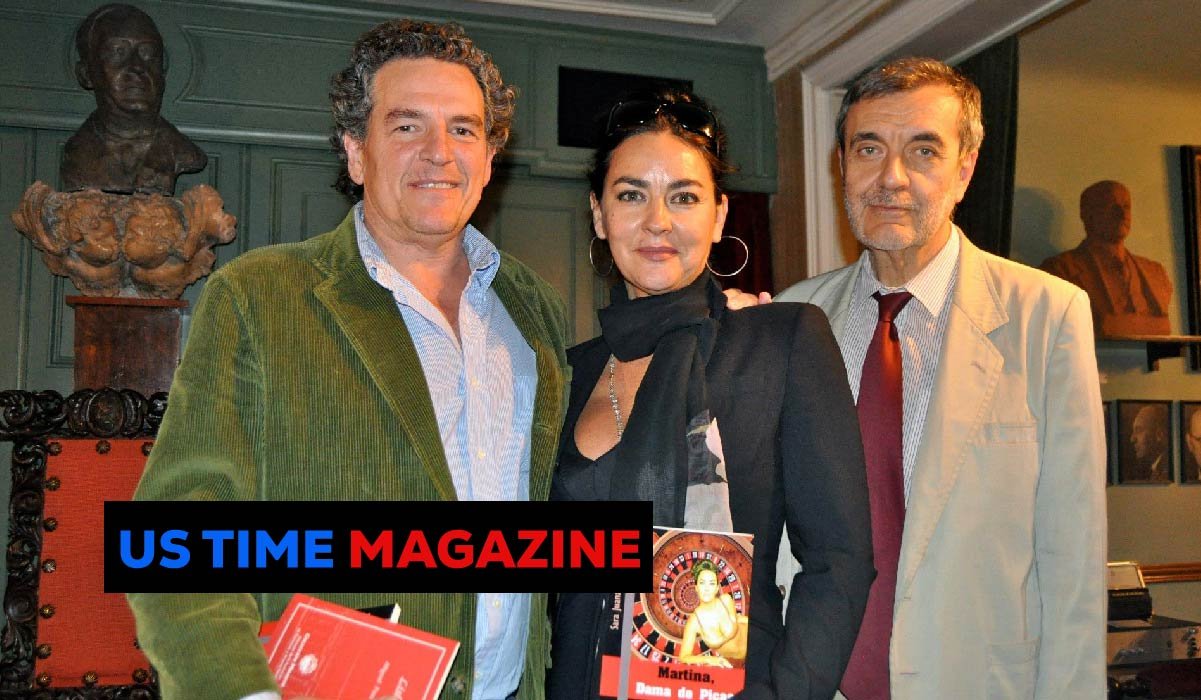
Carlos Scola Pliego met Sade Adu in Spain during the 1980s, a period when her music career was flourishing internationally. Their meeting occurred within creative and professional circles connected to film and visual production, where their shared appreciation for art, culture, and quiet living fostered a natural connection.
Spain provided a peaceful retreat from the pressures of global fame for Sade, and Carlos’s calm and private nature complemented her desire for a grounded and meaningful personal life. Their relationship developed away from media attention, allowing them to build a genuine and emotionally rich bond rooted in shared values and artistic sensibilities.
Marriage to Sade Adu
Carlos Scola Pliego and Sade Adu married in 1989 in a private and intimate ceremony in Spain, reflecting their mutual preference for a life away from public scrutiny. After their marriage, the couple settled in Madrid, where they enjoyed a peaceful lifestyle that allowed Sade to step back from the intense demands of international fame while Carlos continued his work in film.
Their relationship was marked by creativity, emotional depth, and a shared appreciation for simplicity and artistic expression. During this time, Sade worked on her album Stronger Than Pride, and the calm environment they created together supported her artistic process. Their marriage represented a meaningful and transformative chapter in both of their lives.
Who Is Sade Adu?

Sade Adu is a world-famous singer, songwriter, and the lead voice of the band Sade. She was born in Nigeria and later grew up in the United Kingdom, which shaped her unique style and identity. Sade became popular in the 1980s with her smooth, calm voice and songs that mix soul, jazz, and soft pop music.
Some of her most well-known songs include Smooth Operator and No Ordinary Love, which made her a global music icon. She is respected for her timeless music, emotional lyrics, and her ability to stay successful while living a very private life away from the spotlight.
Divorce and Emotional Aftermath
Despite their deep connection, the marriage between Carlos Scola Pliego and Sade Adu gradually came to an end due to the pressures of fame, personal challenges, and differing life paths. The couple separated in the early 1990s, and their divorce was finalized in 1995. The emotional impact of the relationship and its conclusion was significant, particularly for Sade, who later spoke about the experience as a deeply transformative period in her life.
Their separation was handled with dignity and privacy, free from public conflict or media drama. Carlos maintained his quiet lifestyle, while Sade channeled her emotions into her music, contributing to the depth and authenticity that define her work.
Did Carlos Scola Pliego and Sade Have Children?
Carlos Scola Pliego and Sade Adu did not have any children during their marriage. Their relationship remained deeply personal and private, focused on their shared life and creative pursuits. After their divorce, Sade welcomed her child, Izaak Theo Adu, in 1996 with Jamaican music producer Bob Morgan.
This distinction is important for historical and biographical accuracy, as public curiosity often leads to confusion regarding their family life. Reliable records and credible sources consistently confirm that Carlos and Sade had no children together.
Life After Divorce: Where Is Carlos Scola Pliego Now?
Following his divorce from Sade Adu in 1995, Carlos Scola Pliego chose to withdraw almost entirely from public life, reinforcing his long-standing commitment to privacy. He continued to work in the film industry, with his last widely recognized credit appearing in Goal II: Living the Dream in 2007. Since then, there have been no confirmed public appearances, interviews, or verified social media presence associated with him.
It is widely believed that he resides in Spain, living a quiet and private life away from media attention. His deliberate withdrawal from the public sphere reflects a consistent personal philosophy centered on discretion and simplicity.
Carlos Scola Pliego’s Literary Work
In addition to his work in film, Carlos Scola Pliego explored intellectual and philosophical expression through literature. In 2004, he published a Spanish-language book titled Salvador: un apunte de filosofía sencilla, which translates to Salvador: A Note on Simple Philosophy.
The book reflects a thoughtful and introspective approach to life, emphasizing clarity, reflection, and accessible philosophical ideas. This literary endeavor highlights his intellectual depth and creative versatility, demonstrating that his artistic interests extended beyond filmmaking into the exploration of human thought and meaning.
Carlos Scola Pliego’s Net Worth and Lifestyle
There are no verified public records detailing Carlos Scola Pliego’s net worth, and any figures found online are speculative and unreliable. His career as an assistant director and filmmaker would have provided a stable and respectable income, though not typically associated with celebrity-level wealth.
His lifestyle, characterized by privacy and modesty, suggests a focus on personal fulfillment rather than financial display. Unlike many individuals connected to famous personalities, Carlos never leveraged his association with Sade for financial or public gain, reinforcing his reputation as a grounded and private individual.
Why Carlos Scola Pliego Remains a Topic of Interest
Carlos Scola Pliego continues to attract public interest primarily due to his marriage to Sade Adu, a globally admired and enduring musical icon. In the digital age, curiosity about the personal lives of celebrities naturally extends to those who have played meaningful roles in their journeys.
Carlos’s rarity in public appearances and the limited information about his life have only deepened this intrigue. His story resonates with audiences because it represents a refreshing contrast to fame-driven narratives, highlighting a life defined by creativity, authenticity, and intentional privacy.
Carlos Scola Pliego’s Legacy in Film and Cultural Relevance
Carlos Scola Pliego’s legacy lies in his dedication to the art and discipline of filmmaking, particularly in roles that are essential yet often unrecognized by the public. His contributions to documentary and international film productions reflect professionalism, creativity, and technical expertise.
Beyond cinema, his cultural relevance is tied to a meaningful chapter in Sade Adu’s life, which subtly influenced the emotional depth of her music. His life story underscores the importance of behind-the-scenes professionals in shaping artistic expression and demonstrates that lasting impact does not require public visibility.
Conclusion
Carlos Scola Pliego represents a rare and compelling figure in the modern age—someone who contributed meaningfully to the creative world while consciously avoiding the spotlight. His career in filmmaking reflects dedication, craftsmanship, and artistic integrity, while his marriage to Sade Adu connects him to a significant cultural and musical legacy. Despite public curiosity, he has remained steadfast in preserving his privacy, embodying a life guided by authenticity and quiet purpose.
His story is a powerful reminder that influence and creativity often thrive behind the scenes, and that a meaningful life does not require public recognition. Through his work in film and his understated presence in cultural history, Carlos Scola Pliego leaves behind a legacy defined by artistry, discretion, and enduring intrigue.
FAQs About Carlos Scola Pliego
Who is Carlos Scola Pliego?
Carlos Scola Pliego is a Spanish filmmaker known for working as an assistant director, script supervisor, and documentary director. He is most widely recognized as the former husband of British-Nigerian singer Sade Adu. Despite his connection to a global music icon, he built a professional career in the film industry and has always maintained a very private life.
Why is Carlos Scola Pliego famous?
Carlos Scola Pliego is famous primarily because of his marriage to Sade Adu, the lead singer of the band Sade. While he had a respected career in the film industry, public interest in his life grew due to his relationship with the internationally acclaimed and private music star.
What does Carlos Scola Pliego do for a living?
Carlos Scola Pliego worked in the film industry as a script supervisor, assistant director, and documentary filmmaker. He contributed to both Spanish and international productions and later directed documentaries, showcasing his strong technical and creative skills behind the camera.
When were Carlos Scola Pliego and Sade Adu married?
Carlos Scola Pliego and Sade Adu were married in 1989 in Spain. Their relationship was private and centered around a quiet lifestyle away from the public eye. After several years together, their marriage officially ended in divorce in 1995.
Did Carlos Scola Pliego and Sade Adu have children?
No, Carlos Scola Pliego and Sade Adu did not have any children together. After their divorce, Sade had a child, Izaak Theo Adu, in 1996 with Jamaican music producer Bob Morgan.
What films is Carlos Scola Pliego known for?
Carlos Scola Pliego is known for directing documentaries such as Ngira: Gorilas en la montaña (1988) and Donde termina el corazón (1989). He also worked as an assistant director on several productions, including Goal II: Living the Dream (2007), along with other Spanish and international film projects.
Where is Carlos Scola Pliego now?
Carlos Scola Pliego is believed to be living a quiet and private life, most likely in Spain. He has stayed out of the public eye for many years, with no verified social media presence or recent public appearances, reflecting his long-standing preference for privacy.