Introduction
Tarnplanen can be very useful when you are outdoors and suddenly face rain, strong wind, bright sunlight, or the need to hide your gear from open view. Whether you are camping in a forest, working in the field, hunting, or preparing for an emergency, a strong camouflage cover can make your setup safer and more practical.
Many people search for Tarnplanen because they are unsure whether it is just a normal tarp or something more advanced. The word sounds technical, but the meaning is simple. Tarnplanen are camouflage tarpaulins made to protect people, equipment, shelters, and outdoor spaces from weather and visibility. They are different from basic tarps because they are designed not only for cover but also for concealment.
Today, Tarnplanen matter because outdoor users want gear that is strong, portable, weather-resistant, and useful in many situations. This article explains the meaning, origin, uses, materials, features, buying tips, real-life applications, care methods, and future of Tarnplanen in simple words.
What Is Tarnplanen?
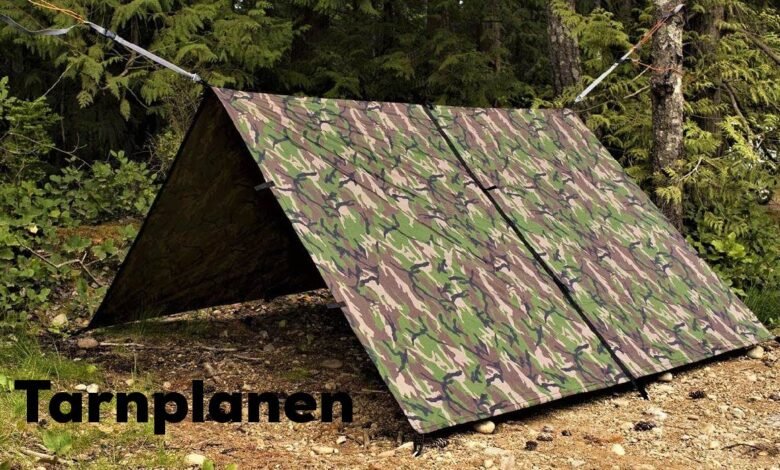
Tarnplanen is a camouflage tarp designed for protection, concealment, and outdoor use. It helps cover people, gear, vehicles, shelters, or work areas while blending into the surrounding environment.
The word Tarnplanen comes from German. “Tarn” means camouflage or concealment, while “Planen” means tarps, sheets, or covers. In simple words, Tarnplanen means camouflage tarpaulins. These covers are usually made from strong fabric and are often waterproof or water-resistant. They are used to protect against rain, sun, wind, dust, and unwanted attention.
A normal tarp mainly provides basic cover. Tarnplanen provides cover and camouflage at the same time. This makes it more useful for tactical work, camping, hunting, survival trips, wildlife photography, and outdoor storage. Military users like Tarnplanen because they can help hide equipment or positions. Campers and survivalists use them because they are light, strong, and easy to set up. Their growing popularity comes from their simple design, practical value, and ability to work in tough outdoor conditions.
Meaning, Origin, and Evolution of Tarnplanen
The meaning of Tarnplanen is closely connected to camouflage and protection. Its German roots show its original purpose clearly. “Tarn” refers to hiding or blending in, while “Planen” refers to protective sheets or tarpaulins. Together, the word describes covers that are made to hide objects while also protecting them from weather.
In early military use, Tarnplanen were basic covers used to hide supplies, vehicles, weapons, tents, and field positions. At first, these covers were simple and heavy, but they helped reduce visibility in open areas. Over time, their design improved. Stronger fabrics, better coatings, reinforced edges, and more realistic camouflage patterns were added to make them more effective.
Modern Tarnplanen are no longer limited to military use. They are now used by campers, hikers, hunters, farmers, emergency workers, photographers, and DIY users. This shift from military equipment to civilian outdoor gear shows how useful they have become. Today, Tarnplanen are valued across the world because they combine strength, weather protection, portability, and concealment in one simple product.
Key Features That Make Tarnplanen Unique
Tarnplanen are unique because they combine several useful features in one cover. The first important feature is durability. These tarps are often made from tear-resistant materials that can handle rough ground, sharp edges, wind pressure, and repeated outdoor use. This makes them more reliable than thin plastic sheets or basic covers.
Water resistance is another key feature. Many Tarnplanen include waterproof or water-repellent coatings that help protect people and equipment from rain, moisture, and wet ground. This is very important during camping, fieldwork, survival situations, or outdoor storage. Camouflage design is also a major advantage. The patterns help the tarp blend into forests, deserts, grasslands, or urban spaces.
Tarnplanen are also made to be portable. Many modern versions are lightweight and foldable, so users can carry them in a backpack, vehicle, or survival kit. Their multi-purpose nature adds even more value. You can use them as a shelter roof, groundsheet, gear cover, windbreak, privacy screen, or emergency rain cover. These features make Tarnplanen useful in both planned outdoor trips and unexpected situations.
Common Uses of Tarnplanen in Real Life
Tarnplanen are used in many real-life situations because they are simple, strong, and flexible. In military and tactical settings, they are used to hide vehicles, equipment, weapons, tents, and observation points. Their camouflage patterns help reduce visibility from a distance and make field positions harder to notice. This can be useful in forests, open land, deserts, and urban areas.
For camping and outdoor survival, Tarnplanen are used as emergency shelters, rain covers, ground covers, and shade sheets. A camper can tie one between trees to create a fast shelter or place it under sleeping gear to avoid moisture from the ground. Hikers and survivalists value them because they are easy to pack and quick to use.
Hunters and wildlife photographers also use Tarnplanen to stay hidden from animals. A good camouflage tarp can break up the human outline and help users observe wildlife without disturbing it. In commercial and DIY use, Tarnplanen can cover truck loads, garden tools, firewood, machinery, construction materials, or outdoor furniture. This wide use makes them practical for both professional and personal needs.
Materials Used in Tarnplanen and Their Benefits
The material of Tarnplanen plays a big role in its strength, weight, and weather resistance. Polyester and nylon are common choices because they are lightweight, quick-drying, and resistant to tearing. These materials are useful for campers, hikers, and travelers who need a tarp that is easy to carry but still strong enough for outdoor use.
PVC-coated fabric is another popular material. It is known for being waterproof, strong, smooth, and easy to clean. PVC-coated Tarnplanen are useful for heavy rain, muddy areas, truck covers, storage protection, and long outdoor exposure. They may be heavier than nylon or polyester, but they offer excellent protection against water and dirt.
Canvas and cotton-blend Tarnplanen are heavier but more breathable. They are often used for long-term camps, work areas, farming, or rugged outdoor setups. Canvas feels natural and strong, but it may need treatment to resist water properly. Reinforced grommets and edges are also very important. Strong metal eyelets allow ropes, hooks, or stakes to hold the tarp firmly. This prevents tearing and keeps the Tarnplanen stable in wind or rain.
Types of Camouflage Patterns in Tarnplanen
Camouflage patterns are one of the most important parts of Tarnplanen. The right pattern helps the tarp blend into its surroundings, while the wrong pattern can make it stand out. Woodland camouflage is common for forests, green areas, and bushy places. It usually includes green, brown, black, and dark natural shades that match trees, leaves, and soil.
Desert camouflage is made for dry, sandy, and open places. It often uses tan, beige, light brown, and pale yellow colors. This type is useful in deserts, dry fields, rocky land, and dusty outdoor areas. Urban camouflage is designed for cities, buildings, concrete spaces, and industrial areas. It usually includes gray, black, white, and muted colors that match man-made surroundings.
Digital camouflage uses small pixel-like shapes to break up outlines. It is popular in modern tactical designs because it can confuse the eye at different distances. Choosing the right camouflage pattern matters because Tarnplanen work best when they match the environment. A woodland tarp in a desert may look unnatural, while a desert tarp in a green forest may be easy to spot.
How to Choose the Right Tarnplanen
Choosing the right Tarnplanen depends on how and where you plan to use it. Size is the first thing to consider. A small Tarnplanen may be enough for one person, a backpack, or a small gear setup. A larger one is better for covering tents, vehicles, work areas, firewood, or group shelters. Bigger is not always better because large tarps can be heavier and harder to manage in strong wind.
Material choice is also important. For lightweight travel, nylon or polyester may be better. For heavy-duty protection, PVC-coated fabric or canvas may be more suitable. If you expect rain, snow, or strong sunlight, choose a Tarnplanen with waterproof coating and UV resistance. This helps protect both the tarp and the items under it.
Weight and portability should match your activity. Backpackers need compact and light covers, while truck owners or farmers may prefer heavier tarps. Grommet quality is another key detail. Strong, rust-resistant grommets make setup safer and easier. Finally, choose a camouflage pattern that matches your usual environment. A good Tarnplanen should fit your purpose, location, weather, and carrying needs.
How to Use Tarnplanen Effectively
Using Tarnplanen effectively is simple, but a few smart steps can improve its performance. First, match the tarp with your environment. If you are in a forest, use woodland camouflage. If you are in dry land, choose desert colors. The closer the pattern matches the surroundings, the better the concealment will be.
Secure the Tarnplanen properly with ropes, stakes, poles, or trees. Loose tarps can flap in the wind, make noise, and become easy to notice. Tying through strong grommets helps spread pressure evenly and reduces the risk of tearing. When using it as a shelter, place it at a slight angle so rainwater can drain instead of collecting on top.
Natural cover can also improve camouflage. Leaves, branches, grass, or dirt can help soften the edges and make the tarp look more natural. However, avoid making the setup too perfect or too symmetrical because nature is usually uneven. Over-camouflaging can sometimes look strange. Keep the shape natural, secure, and practical. With proper setup, Tarnplanen can protect against weather while helping you stay less visible.
Advantages of Using Tarnplanen
One of the biggest advantages of Tarnplanen is weather protection. It can protect people, gear, vehicles, and supplies from rain, sunlight, wind, dust, and moisture. This makes it useful for camping, travel, fieldwork, survival, hunting, and storage. A good Tarnplanen can help keep important items dry and reduce damage from outdoor exposure.
Another major advantage is concealment and privacy. The camouflage design helps hide objects or people from casual view. This is useful for hunters, photographers, tactical users, and anyone who wants a low-profile outdoor setup. It can also create privacy at campsites or work areas.
Tarnplanen are also versatile. One cover can be used as a shelter, groundsheet, equipment cover, shade roof, wind barrier, rain shield, or emergency repair cover. Their long-term durability adds even more value because a quality Tarnplanen can be reused many times. Many designs are lightweight enough to carry easily, which makes them convenient for outdoor trips and emergency kits.
Limitations of Tarnplanen
Although Tarnplanen are useful, they also have some limitations. Heavier types, especially canvas or thick PVC versions, can be difficult to carry over long distances. They may be better for vehicles, campsites, farms, or fixed outdoor setups rather than long hiking trips. Lightweight versions are easier to carry but may not be as strong as heavy-duty models.
Tarnplanen also require proper setup skills. If they are not tied correctly, they may sag, collect water, flap in the wind, or tear at the edges. In very cold weather, a tarp alone may not provide enough insulation. It can block wind and rain, but it does not replace proper sleeping gear or insulated shelter.
Another limitation is pattern mismatch. If the camouflage does not match the surroundings, the tarp may become more noticeable instead of hidden. A bright or wrong-colored pattern can reduce its usefulness. These limits do not make Tarnplanen ineffective, but they show why choosing and using the right one matters.
Maintenance and Care Tips
Proper maintenance helps Tarnplanen last longer and perform better. After each use, remove dirt, leaves, mud, and water from the surface. If the tarp is dirty, clean it with mild soap and cold water. Avoid bleach, harsh chemicals, or rough scrubbing because they can damage the coating, weaken the fabric, or fade the camouflage pattern.
Drying is very important before storage. If Tarnplanen are folded while wet, they may develop mold, mildew, bad smell, or fabric damage. Always let the tarp dry fully in open air before packing it away. Store it in a cool, dry place away from direct sunlight when not in use. Long exposure to heat and sunlight during storage can weaken some materials over time.
Check the grommets, corners, seams, and edges regularly. These areas handle the most pressure during setup. If you find small tears, repair them early with a tarp patch or suitable repair tape. Good care can extend the life of Tarnplanen and keep them ready for future outdoor use.
Legal and Ethical Considerations
Tarnplanen are generally legal to own and use in many places, but users should still follow local rules. Camouflage gear can sometimes create confusion in public areas, especially if it looks too similar to official military equipment. It is wise to avoid using Tarnplanen in a way that suggests military impersonation or suspicious activity.
Hunters should follow local hunting laws when using camouflage covers or blinds. Some areas have clear rules about where blinds can be placed, how long they can stay, and what materials can be used. Wildlife photographers should also use Tarnplanen responsibly and avoid disturbing animals, nesting areas, or protected habitats.
In parks, reserves, and public lands, always respect environmental rules. Do not damage trees, leave ropes behind, or abandon damaged tarps outdoors. Tarnplanen should provide protection without harming nature. Ethical use means staying safe, respecting wildlife, following laws, and leaving outdoor spaces clean for others.
Tarnplanen vs Regular Tarps
Tarnplanen and regular tarps may look similar, but they are not the same in purpose. A regular tarp is mainly made for basic covering. It can protect items from rain, dust, or sunlight, but it usually does not offer camouflage. Regular tarps are often blue, green, silver, or clear, which may stand out in natural areas.
Tarnplanen are designed for both protection and concealment. They usually have camouflage patterns that help them blend into forests, deserts, fields, or urban surroundings. They are often made with stronger materials, reinforced edges, and better outdoor features. This makes them more useful for tactical work, hunting, camping, survival, and hidden storage.
A regular tarp is a good choice for simple home use, short-term covering, or budget protection. Tarnplanen are better when you need durability, weather resistance, and visual blending. In simple words, a regular tarp covers, while Tarnplanen covers and hides.
Future of Tarnplanen and Modern Innovations
The future of Tarnplanen is likely to include better materials, smarter designs, and more eco-friendly options. As outdoor gear improves, manufacturers are creating lighter fabrics that are still strong and waterproof. This helps users carry Tarnplanen more easily without losing durability.
Smart fabric technology may also influence future designs. Some advanced camouflage materials may become better at reducing shine, heat visibility, or detection from modern equipment. Improved patterns may work in more than one environment, making Tarnplanen more flexible for changing terrain.
Eco-friendly materials are also becoming important. Future Tarnplanen may use recycled fibers, safer coatings, and longer-lasting designs to reduce waste. Multi-functional designs may include built-in tie points, reflective emergency sides, improved UV resistance, or modular shelter systems. These improvements show that Tarnplanen will continue to grow beyond simple tarps and become more advanced outdoor protection tools.
Final Thoughts
Tarnplanen are more than ordinary outdoor covers. They combine durability, camouflage, weather protection, and practical use in one simple product. Whether used by soldiers, campers, hunters, photographers, workers, or survivalists, they offer reliable cover in many different situations.
Their value comes from their versatility. A single Tarnplanen can become a shelter, groundsheet, rain cover, shade, privacy screen, gear protector, or emergency tool. With the right material, size, pattern, and setup, it can perform well in forests, deserts, campsites, fields, roadsides, and work areas.
To get the best results, choose a Tarnplanen that matches your environment and needs. Care for it properly, use it responsibly, and store it well after every trip. In simple words, Tarnplanen means protection, concealment, and reliability for outdoor life.