When it comes to generating high-quality AI images, the difference between a vague idea and a stunning visual often comes down to one thing: prompt structure. Think of it like giving directions to an artist. If you simply say “draw a dog,” you might get anything from a cartoon doodle to a hyper-realistic portrait. But if you say “a golden retriever running through a sunflower field at sunset, cinematic lighting, shallow depth of field,” suddenly the vision becomes much clearer. That’s exactly what a well-defined GPT Image Prompt framework does—it transforms ambiguity into precision.
A structured prompt acts as a blueprint. It guides the AI step by step, ensuring that every critical visual element is accounted for. Without structure, AI models tend to fill in gaps with randomness, which can lead to inconsistent or underwhelming results. By organizing prompts into components like Subject, Style, Lighting, and Composition, you’re essentially speaking the AI’s language more fluently.
This approach doesn’t just improve image quality—it also saves time. Instead of endlessly tweaking prompts and hoping for better results, you can rely on a repeatable formula. Whether you’re a designer, marketer, or hobbyist, mastering prompt structure gives you a powerful edge in creating visuals that actually match your intent.
Evolution of AI Image Generation
AI image generation has come a long way from its early experimental stages. Initially, tools struggled with coherence, often producing distorted or abstract outputs that barely resembled the intended subject. Fast forward to today, and models like DALL·E and similar systems can create incredibly detailed and realistic images—provided they receive the right input.
This evolution has shifted the focus from “what the AI can do” to “how well you can instruct it.” In other words, the bottleneck is no longer the technology—it’s the prompt. That’s where the GPT Image Prompt framework becomes essential. It bridges the gap between human creativity and machine interpretation.
As AI models become more sophisticated, they also become more sensitive to nuance. A small change in wording can dramatically alter the output. That’s why structured prompts are no longer optional—they’re foundational. By understanding how to craft prompts using a consistent framework, you gain control over the creative process in a way that wasn’t possible before.
Understanding the Core Components
The subject is the heart of your image prompt. It answers the fundamental question: “What is this image about?” Without a clearly defined subject, everything else in your prompt loses direction. The subject could be anything—a person, an object, a scene, or even an abstract concept—but it needs to be specific enough for the AI to interpret accurately.
For example, compare “a car” with “a red vintage Mustang parked on a rainy street.” The second version gives the AI much more to work with, resulting in a richer and more detailed image. Specificity is key here. The more descriptive your subject, the less room there is for misinterpretation.
In the context of a GPT Image Prompt framework, the subject sets the stage for all other elements. It anchors the prompt and ensures that style, lighting, and composition are applied correctly. Without a strong subject, even the best stylistic details won’t save the final output.
Defining Style for Visual Output
Style is where creativity truly comes alive. It defines the artistic direction of your image—whether it’s realistic, cartoonish, futuristic, or inspired by a specific artist or era. Think of style as the “personality” of your image.
For instance, the same subject can look completely different depending on the style. A portrait in “oil painting style” will feel classical and textured, while “cyberpunk digital art” gives it a futuristic and neon-lit vibe. This flexibility is what makes AI image generation so powerful.
In a structured prompt structure style comes right after the subject. It refines the visual tone and ensures that the output aligns with your creative vision. Without specifying style, the AI may default to a generic look, which often lacks impact.
Importance of Lighting in AI Images
Lighting is one of the most underrated yet transformative elements in image generation. It affects mood, depth, and realism in ways that are hard to ignore. Whether it’s soft morning light, dramatic shadows, or neon glow, lighting can completely change how an image feels.
Incorporating lighting into your GPT Image Prompt framework adds a layer of sophistication. For example, “soft golden hour lighting” creates warmth and calmness, while “harsh studio lighting” can produce sharp contrasts and dramatic effects. These subtle details make a big difference in the final output.
Composition as the Final Touch
Composition determines how elements are arranged within the frame. It’s the difference between a cluttered image and one that feels balanced and intentional. Techniques like rule of thirds, close-up shots, and wide-angle views all fall under composition.
By including composition in your prompt structure, you guide the AI on how to frame the subject. This ensures that the image isn’t just visually appealing but also professionally structured.
Breaking Down the GPT Image Prompt Framework
Step-by-Step Prompt Structure
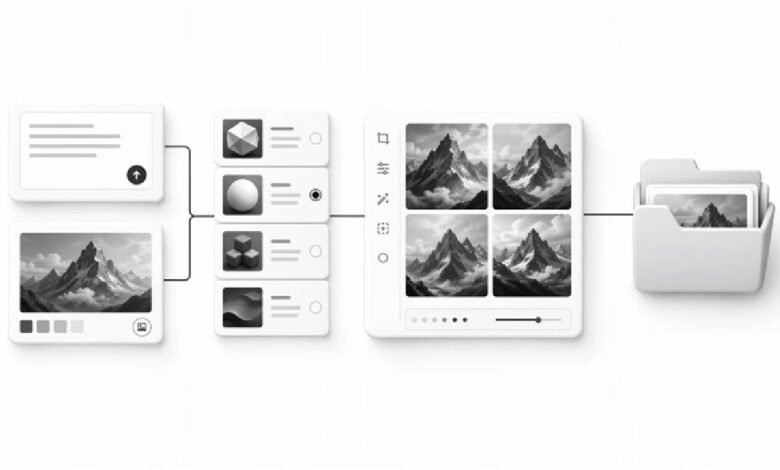
A well-crafted GPT Image Prompt framework typically follows this formula:
Subject + Style + Lighting + Composition
This sequence ensures clarity and consistency. Each component builds upon the previous one, creating a cohesive instruction set for the AI.
Combining Elements Effectively
The key to success lies in how you combine these elements. Instead of listing them randomly, integrate them naturally into a single sentence. This helps the AI process the prompt more effectively.
Common Mistakes to Avoid
One common mistake is overloading the prompt with too many conflicting details. Another is being too vague. Striking the right balance is crucial for achieving optimal results.
Real Examples of Prompt Structure
A simple prompt like “a cat” might yield unpredictable results. In contrast, a structured prompt such as “a fluffy white cat sitting by a window, watercolor style, soft natural lighting, close-up composition” produces a much more refined image.
Case Study: Transforming Outputs
By applying the GPT Image Prompt framework, users have reported significantly improved image quality and consistency. Structured prompts reduce guesswork and enhance creative control.
Advanced Techniques for Better Results
Adding descriptive keywords enhances clarity and detail. Words like “high-resolution,” “ultra-realistic,” or “cinematic” can elevate the final output.
Leveraging Camera Angles and Details
Incorporating camera angles such as “low angle shot” or “wide-angle lens” adds depth and realism. These details make your images feel more dynamic and professional.
AI Art: Why Structure Wins
A clear prompt structure improves how AI interprets instructions. This leads to more accurate and visually appealing results.
Consistency and Reproducibility
Structured prompts allow you to replicate results consistently. This is especially useful for branding and content creation.
Conclusion
The GPT Image Prompt framework simplifies the complex process of AI image generation into a clear, repeatable formula. By focusing on Subject, Style, Lighting, and Composition you gain greater control over the final output and unlock the full potential of AI creativity.