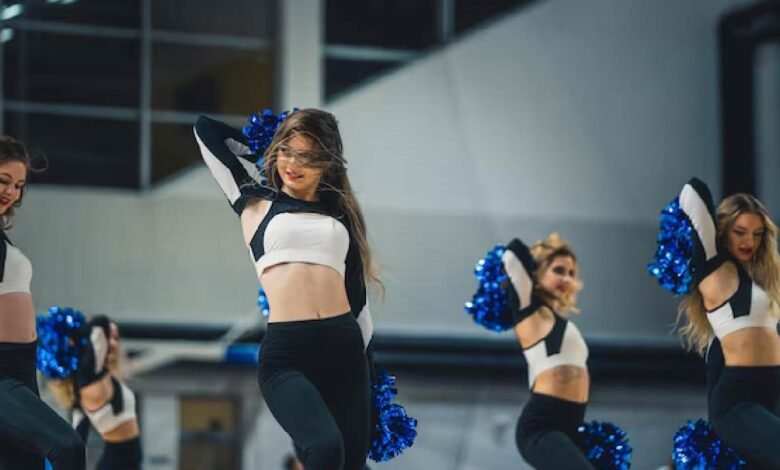
The high-energy soundtracks that once belonged exclusively to competitive cheerleading squads are now finding their way into boardrooms, team retreats, and corporate events. Premade cheer music—originally engineered to fuel athletic performances—has emerged as an unexpected tool for companies seeking to energize their workforce and strengthen organizational culture.
What makes these music mixes particularly effective in business settings is their deliberate design: they’re crafted to sustain energy, synchronize group movement, and create emotional peaks. These same qualities translate remarkably well to corporate environments where engagement, morale, and team cohesion matter. This article examines how cheer music evolved from its athletic roots, why it’s gaining traction in workplace settings, and how organizations can thoughtfully integrate it into their culture-building strategies.
From Sidelines to Soundtracks: The Evolution of Cheer Music
Cheer music began as live marching band performances at sporting events in the early 20th century. By the 1980s, competitive cheerleading had professionalized, and with it came the shift to recorded tracks that allowed for tighter choreography and more complex routines. What started as simple instrumental accompaniment evolved into a distinct musical genre blending pop hooks, hip-hop beats, and electronic production.
Today’s cheer music incorporates elements from EDM, trap, and contemporary pop, engineered specifically for performance impact. Tracks are structured with dramatic builds, tempo shifts, and audio cues that signal transitions—all designed to maximize audience engagement and athlete synchronization. According to research published in the Frontiers in Psychology, music with these characteristics can significantly influence group coordination and emotional arousal, making it effective beyond its original athletic context.
This evolution has made cheer music increasingly adaptable. The same production techniques that energize a competition floor can transform a corporate kickoff meeting or product launch. As workplace culture strategies have shifted toward experiential engagement, the crossover appeal of these high-intensity soundtracks has become more apparent.
Why Cheer Music Works in Corporate Settings
The benefits of incorporating premade cheer music into workplace culture extend beyond simple entertainment. Here’s what makes it effective:
- Creates Shared Energy: Music designed for group performance naturally fosters collective experience. When employees hear the same energizing track at company events, it builds a sense of shared identity and momentum.
- Breaks Psychological Barriers: High-energy music can disrupt the formal atmosphere that often inhibits participation in corporate settings, making employees more willing to engage in team activities.
- Signals Transitions: Just as cheer music cues routine changes, it can mark shifts in corporate events—from presentation mode to interactive sessions, or from work time to celebration.
- Enhances Memory Formation: Events paired with distinctive music become more memorable. Employees are more likely to recall key messages or experiences when they’re anchored to a strong auditory signature.
Music with high tempo and rhythmic clarity can improve task performance and increase positive affect in group settings. These findings support what many HR leaders are discovering empirically: the right soundtrack can measurably shift workplace dynamics.
Selecting and Implementing Music Strategically
Effective integration requires more than simply pressing play on a high-energy playlist. Organizations should approach music selection with the same intentionality they bring to other culture initiatives:
- Match Music to Moment: A product launch demands different energy than a strategic planning session. High-intensity mixes work for celebrations and competitions, while moderate-tempo tracks suit collaborative work sessions.
- Consider Demographic Preferences: Generational and cultural differences affect music reception. Survey employees or test different styles before committing to a particular sound for recurring events.
- Control Volume and Duration: Music should enhance, not overwhelm. Brief, well-timed musical moments often prove more effective than continuous background tracks.
- Create Signature Moments: Rather than using music constantly, reserve it for specific rituals—team arrivals, achievement celebrations, or transition points—to maximize impact.
For companies ready to experiment, implementation can follow a phased approach:
- Identify High-Impact Opportunities: Start with events where energy naturally matters—all-hands meetings, sales kickoffs, or team-building sessions.
- Curate Purposefully: Platforms such as Cheerleading Mix provide professionally produced tracks tailored for performance environments, reducing the uncertainty and time involved in creating playlists from scratch. Comparable providers like CheerSounds and Mix It Up Music also offer ready-to-use performance mixes engineered for cheer, dance, and high-energy event settings.
- Test and Gather Feedback: Run pilot programs with willing teams, then collect structured feedback on energy levels, engagement, and overall reception.
- Refine Based on Response: Adjust volume, timing, and music selection based on what employees actually respond to, not assumptions about what should work.
The Performance Impact of Strategic Music Use
The relationship between music and performance has been studied extensively in athletic contexts, but the principles apply equally to knowledge work and team collaboration. Key performance effects include:
- Elevated Motivation: Music with strong rhythmic drive can increase intrinsic motivation, particularly during tasks that require sustained effort or repetitive work.
- Mood Regulation: Strategic music use can shift collective emotional states, helping teams move from low-energy morning starts to productive engagement, or from work stress to celebratory mindsets.
- Enhanced Communication Flow: Shared musical experiences create informal common ground, reducing social friction and making subsequent collaboration feel more natural.
- Strengthened Group Identity: Teams that experience music together—particularly in achievement contexts—develop stronger bonds and clearer collective identity.
A study published in the Journal of Sports Sciences found that music significantly improved both individual and team performance metrics when properly matched to task demands. While the research focused on athletic performance, the mechanisms—increased arousal, improved mood, and enhanced focus—translate directly to corporate team dynamics.
Adapting Competition Music for Corporate Contests
Cheerleading competition music represents the genre’s most refined form: tracks engineered specifically to create excitement, signal achievement, and sustain energy through multi-minute performances. These same qualities make competition-style music particularly effective for corporate competitions, sales contests, and recognition events.
Organizations can leverage this music in several ways:
- Contest Launches: Opening a sales competition or innovation challenge with high-energy music immediately signals that this isn’t routine business—it’s a performance moment.
- Achievement Recognition: Playing signature tracks when announcing winners or celebrating milestones creates emotional peaks that make recognition more memorable and meaningful.
- Team Entrances: At larger corporate events, having teams enter to their own music—similar to sports team introductions—builds anticipation and team pride.
- Sustained Energy: During day-long competitions or hackathons, periodic musical interludes can reset energy levels and maintain engagement through fatigue points.
Several organizations have reported measurable improvements in participation rates and employee feedback scores after incorporating competition-style music into their events. The key is treating music as a deliberate design element rather than background ambiance.
Why This Approach Deserves Consideration
As companies compete for talent and struggle with engagement challenges, unconventional culture-building tools warrant serious evaluation. Premade cheer music offers several advantages over traditional approaches:
- Low Implementation Barrier: Unlike major culture initiatives that require structural changes, music integration is relatively simple and reversible, making it ideal for experimentation.
- Immediate Feedback: The impact of music is felt instantly, allowing organizations to quickly assess whether it resonates with their particular workforce.
- Scalable Across Contexts: The same music library can serve multiple purposes—from daily rituals to annual celebrations—providing consistency while allowing contextual variation.
- Cost-Effective: Compared to elaborate team-building programs or culture consultants, professionally produced music mixes represent a minimal investment with potentially significant returns.
The broader trend toward experiential workplace culture—emphasizing memorable moments over abstract values—makes music integration particularly timely. Organizations that successfully create distinctive cultural experiences often enjoy advantages in retention, recruitment, and employee advocacy.
Moving Forward
Premade cheer music represents more than a novelty—it’s a practical tool for organizations serious about energizing their culture. The same production techniques that create championship-level athletic performances can transform corporate events from obligatory gatherings into genuinely engaging experiences.
For companies willing to experiment beyond traditional culture-building approaches, the barrier to entry is low and the potential upside significant. Whether used sparingly for signature moments or integrated more broadly into workplace rituals, strategically selected music can shift energy, strengthen bonds, and create the kind of memorable experiences that define strong organizational cultures.
The question isn’t whether music affects workplace dynamics—research confirms it does. The question is whether organizations will leverage that effect intentionally, or continue leaving it to chance.