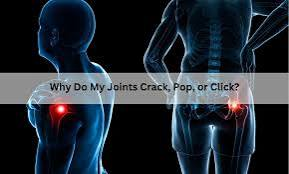
Many people experience clicking, popping or cracking sounds from their joints during everyday movements. You may notice sounds when:
- Bending your knees
- Stretching your fingers
- Rotating your shoulders
- Standing up
- Walking or exercising
In many cases, these sounds are harmless and do not indicate a serious problem. However, clicking or popping joints may sometimes be linked to an underlying issue, especially when accompanied by pain, swelling, stiffness or reduced movement.
Why Do Joints Click or Pop?
Joints are complex structures made up of bones, cartilage, ligaments, tendons and fluid-filled spaces that allow smooth movement.
Clicking or popping sounds can occur for several reasons, including:
- Gas bubbles within joint fluid
- Tendons or ligaments moving over bones
- Joint surface changes
- Previous injuries
- Cartilage damage
- Joint instability
The sound itself is not always a sign of damage. The symptoms that occur together with the sound are often more important when determining whether further assessment is needed.
Common Causes of Clicking or Popping Joints
1. Gas Bubbles in Joint Fluid
One of the most common causes of harmless joint sounds is the formation and release of gas bubbles within synovial fluid.
Synovial fluid is the lubricating fluid found inside joints that helps reduce friction during movement.
When a joint is stretched or moved, pressure changes within the fluid may cause small gas bubbles to form or collapse, creating a popping or cracking sound.
This is commonly noticed in:
- Fingers
- Knuckles
- Knees
- Shoulders
When there is no pain, swelling or movement limitation, these sounds are usually not a cause for concern.
2. Tendons or Ligaments Moving Over Bones
Tendons connect muscles to bones, while ligaments help stabilise joints.
Sometimes, these structures may move slightly over bony areas during movement, creating a snapping or clicking sensation.
This may occur in areas such as:
- Hip
- Knee
- Shoulder
- Ankle
For example, some people experience a snapping sensation around the hip when walking, stretching or exercising.
This may be harmless, but if the clicking is painful or affects movement, an assessment may be needed.
3. Joint Wear and Tear
As people age, changes can occur within joints due to gradual wear of cartilage.
This is commonly associated with osteoarthritis, a condition where the protective cartilage between bones becomes thinner over time.
Joint changes may cause:
- Clicking sounds
- Grinding sensations
- Stiffness
- Pain during movement
- Reduced flexibility
Commonly affected joints include:
- Knees
- Hips
- Hands
- Spine
Not everyone with clicking joints has arthritis, but persistent symptoms should be assessed.
4. Previous Joint Injuries
Past injuries may affect how a joint moves, even after the initial pain has improved.
Examples include:
- Ligament injuries
- Meniscus tears
- Fractures
- Joint sprains
- Cartilage injuries
After an injury, changes in joint stability or movement patterns may lead to clicking or popping sensations.
Patients who notice new clicking after an injury should consider medical evaluation, especially if symptoms continue.
5. Cartilage Problems
Cartilage helps joints move smoothly by providing cushioning between bones.
Damage to cartilage may cause:
- Clicking
- Catching sensations
- Grinding sounds
- Joint pain
- Swelling
Cartilage problems may occur due to:
- Sports injuries
- Age-related changes
- Repeated stress on joints
An orthopaedic specialist can assess whether cartilage damage is contributing to symptoms.
6. Joint Instability
A joint may click or pop when it is not moving in a stable pattern.
Joint instability may occur due to:
- Ligament injuries
- Muscle weakness
- Previous trauma
- Structural differences
Patients may notice:
- A feeling that the joint is moving incorrectly
- The joint giving way
- Difficulty trusting the joint during activities
Joint instability should be assessed because it may increase the risk of further injury.
Clicking Joints Without Pain: Should You Be Worried?
In many cases, clicking or popping joints without pain are not a concern.
You may not need medical attention if:
- The sound has been present for a long time
- There is no pain
- There is no swelling
- Movement is normal
- Daily activities are unaffected
Many healthy joints naturally make sounds during movement.
However, changes in joint sounds or new symptoms may require further evaluation.
Clicking Joints With Pain: When Should You Be Concerned?
Joint sounds become more concerning when they occur together with other symptoms.
Consider seeing an orthopaedic specialist if clicking or popping is accompanied by:
1. Joint Pain
Pain may suggest irritation, inflammation, injury or structural problems.
Pay attention to:
- When the pain occurs
- Whether it worsens with activity
- Whether it affects daily movement
2. Swelling
Swelling may indicate inflammation or injury inside the joint.
Persistent swelling should be assessed, especially after an injury.
3. Joint Locking
A locking sensation occurs when the joint feels stuck and cannot move normally.
This may occur with conditions such as:
- Meniscus tears
- Cartilage injuries
- Loose fragments within the joint
4. Joint Instability
Seek assessment if a joint:
- Gives way
- Feels weak
- Cannot support weight properly
- Feels unstable during movement
5. Reduced Range of Motion
Difficulty bending, straightening or moving a joint may indicate an underlying problem.
Examples include:
- Shoulder stiffness
- Knee movement limitations
- Hip mobility problems
Common Joints That May Click or Pop
Knee Clicking
Knee sounds are common and may occur due to:
- Tendon movement
- Gas bubbles
- Previous injuries
- Cartilage changes
- Meniscus problems
Knee clicking should be assessed if it is accompanied by:
- Pain
- Swelling
- Locking
- Giving way
Shoulder Clicking
The shoulder has a wide range of movement, making it more prone to clicking sensations.
Possible causes include:
- Tendon movement
- Shoulder instability
- Rotator cuff problems
- Labral injuries
Patients should seek assessment if shoulder clicking occurs with weakness or pain.
Hip Clicking
Hip clicking may occur when tendons move over structures around the joint.
However, painful hip clicking may be linked to:
- Hip impingement
- Labral tears
- Joint problems
Ankle Clicking
Ankle sounds may occur after:
- Previous sprains
- Tendon problems
- Joint instability
Persistent ankle symptoms may affect walking and exercise.
Can Exercise Cause More Joint Clicking?
Exercise can sometimes make joint sounds more noticeable because movement places greater demand on muscles and joints.
Activities that may reveal clicking include:
- Squats
- Running
- Weight training
- Stretching
- Sports movements
Clicking during exercise is not always harmful. However, pain, swelling or reduced performance may indicate that the joint requires assessment.
How Are Clicking Joints Diagnosed?
If symptoms require evaluation, an orthopaedic specialist may perform several assessments.
Medical History
The doctor may ask about:
- When the clicking started
- Whether there was an injury
- Activities that trigger symptoms
- Presence of pain or swelling
- Changes over time
Physical Examination
The specialist may assess:
- Joint movement
- Stability
- Strength
- Tenderness
- Signs of inflammation
Imaging Tests
Depending on symptoms, tests may include:
X-Ray
Useful for assessing:
- Bone alignment
- Arthritis changes
- Fractures
MRI Scan
May help evaluate:
- Ligaments
- Tendons
- Cartilage
- Meniscus
- Soft tissue injuries
Ultrasound
May assess certain tendon and soft tissue problems.
When Should You Visit an Orthopaedic Clinic?
You should consider visiting an orthopaedic clinic if clicking or popping joints are affecting your comfort, movement or daily activities.
An assessment may be appropriate if you experience:
- Painful clicking
- Persistent swelling
- Joint instability
- Locking sensations
- Reduced movement
- Symptoms after an injury
- Difficulty exercising or performing daily tasks
An orthopaedic specialist can determine whether the joint sounds are harmless or related to an underlying condition.
Treatment Options for Problematic Joint Clicking
Treatment depends on the cause.
Non-Surgical Treatment
Many joint problems can be managed without surgery.
Options may include:
- Physiotherapy
- Strengthening exercises
- Activity modification
- Medication
- Joint support devices
Injections
For selected joint conditions, injections may be considered to help manage symptoms.
Surgery
Surgery may be discussed when there is significant structural damage.
Examples include:
- Meniscus repair
- Ligament reconstruction
- Arthroscopic procedures
- Joint replacement
The recommended treatment depends on the diagnosis and severity of symptoms.
How Can You Protect Your Joints?
Helpful habits include:
Maintain Muscle Strength
Strong muscles help support and stabilise joints.
Use Proper Exercise Techniques
Correct form during sports and exercise can reduce unnecessary stress.
Avoid Ignoring Pain
Pain is a signal that something may need attention. Continuing activities despite persistent symptoms may worsen some conditions.
Maintain Healthy Movement
Regular movement helps maintain flexibility, strength and joint function.
Clicking and popping joints are common and often harmless, especially when they occur without pain, swelling or movement problems. However, joint sounds accompanied by discomfort, instability, locking or reduced function may indicate an underlying orthopaedic issue.
Understanding the cause of joint sounds can help patients decide when medical assessment is needed. If clicking joints begin affecting daily activities, exercise or confidence in movement, an orthopaedic specialist can evaluate the condition and recommend appropriate treatment options.
This article is for general information only and should not replace medical advice from a qualified healthcare professional.