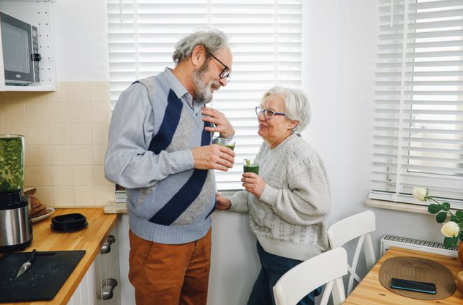
Why do so many seniors in traditional care communities report feeling isolated or disconnected from meaningful experiences? The answer often lies not in the quality of support they receive, but in the absence of intentional life enrichment programs. As the population ages, communities and families increasingly recognize that quality of life extends beyond meeting basic health needs. Life enrichment represents a shift in how senior care is approached, emphasizing engagement, connection, purpose, and personal fulfillment alongside daily support.
Understanding Life Enrichment in Senior Settings
Life enrichment refers to structured programs and opportunities that support the mental, physical, social, and emotional well-being of older adults. Rather than focusing solely on health-related concerns, life enrichment encourages residents to participate in meaningful experiences that bring enjoyment and a sense of purpose to daily life.
These programs may include art classes, gardening groups, music programs, book clubs, educational workshops, volunteer projects, and cultural events. The goal is to create opportunities for residents to learn, create, connect with others, and pursue personal interests.
Communities that prioritize life enrichment often find that residents feel more engaged, satisfied, and connected to their surroundings. This approach recognizes that aging does not diminish a person’s desire for growth, accomplishment, and meaningful experiences.
The Connection Between Engagement and Mental Health
Mental and emotional well-being are closely connected to social engagement and cognitive stimulation. When older adults participate in enjoyable and meaningful programs, they often experience greater emotional wellness and a stronger sense of purpose.
Educational programs, creative projects, discussion groups, and lifelong learning opportunities can help residents remain mentally engaged while encouraging curiosity and self-expression. Residents who regularly participate in enriching experiences often report greater satisfaction with daily life and stronger social connections.
Conversely, limited opportunities for engagement can contribute to loneliness and reduced overall well-being. Providing a variety of meaningful programs helps create an environment where residents can continue exploring interests, developing skills, and building relationships.
Physical Activity and Wellness Benefits
Life enrichment programs that incorporate movement can support physical wellness while making exercise enjoyable and accessible. Walking groups, chair yoga, dance classes, stretching programs, gardening, and tai chi provide opportunities for residents to remain active in ways that fit their abilities and interests.
Regular movement can help support mobility, balance, flexibility, and strength, all of which contribute to greater confidence and participation in daily life. When physical activity is presented as a social or recreational experience, residents are often more likely to participate consistently.
For older adults seeking a lifestyle centered on wellness and engagement, TerraBella Harrisburg offers assisted living residents life enrichment opportunities that combine movement, social interaction, and meaningful community involvement. By integrating wellness into daily routines, communities can encourage habits that support long-term well-being.
Social Connection and Community Building
Social connection remains an essential part of overall wellness. Life enrichment programs help residents build relationships and develop a stronger sense of belonging by creating opportunities to interact with peers who share similar interests.
Group programs such as cooking classes, game nights, discussion groups, volunteer projects, and community events encourage friendships and meaningful conversations. These experiences help residents connect with others while remaining involved in the life of the community.
Some communities also incorporate intergenerational programs and local partnerships that allow residents to engage with people outside the community. These opportunities can provide additional purpose, foster new relationships, and create meaningful experiences that enrich everyday life.
A strong sense of community can positively impact emotional well-being and help residents feel connected, valued, and engaged.
Implementing Effective Life Enrichment Programs
Successful life enrichment programs begin with understanding the interests, preferences, and abilities of each resident. Communities that excel in this area often gather feedback regularly and offer a wide variety of options to accommodate different lifestyles and interests.
Residents may prefer creative pursuits, educational opportunities, physical wellness programs, faith-based gatherings, volunteer initiatives, or social events. Offering diverse programming helps ensure that everyone can find experiences that are meaningful to them.
Experienced life enrichment team members play an important role by adapting programs to meet varying abilities and encouraging participation in ways that feel welcoming and inclusive. When life enrichment becomes a central part of community culture, residents benefit from a more personalized and engaging experience.
Conclusion
Life enrichment has become an increasingly important component of quality senior care. By supporting cognitive engagement, physical wellness, social connection, and emotional well-being, these programs help residents enjoy fuller and more meaningful lives. Today’s senior living communities recognize that quality care involves more than meeting daily needs. It also means creating opportunities for growth, purpose, and connection. As expectations for senior care continue to evolve, life enrichment will remain an essential part of helping residents experience dignity, fulfillment, and a strong sense of community throughout their later years.