The Essential Guide to Preliminary Site Investigation for Environmental Success

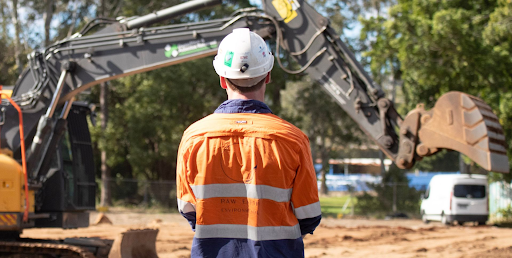
Preliminary site investigation is a critical step in assessing the environmental status of a location before any development or usage changes. It provides an initial evaluation to identify potential contamination, environmental hazards, and helps in making informed decisions for sustainable project planning. Undertaking a preliminary site investigation ensures compliance with environmental regulations and reduces risks associated with site development.
Understanding Preliminary Site Investigation
This investigation involves a systematic approach to gather relevant information about the site conditions. It includes reviewing historical data, current site activities, and conducting a visual inspection. The goal is to detect any environmental liabilities early in the project lifecycle, which can impact costs, timelines, and legal obligations.
Key Components of a Preliminary Site Investigation
The process typically begins with a comprehensive desktop study. This includes an examination of historical records, maps, aerial photographs, and government databases. Experts analyse these sources to identify previous land uses that might indicate the presence of contaminants or hazardous materials.
Site Reconnaissance
A detailed site reconnaissance follows, where environmental consultants inspect the site to verify information and look for signs of contamination such as stained soil, distressed vegetation, or hazardous waste. This physical examination helps in refining the understanding of potential risks.
Risk Identification and Assessment
After gathering data, consultants assess the likelihood and severity of contamination risks. This risk assessment directs whether more extensive investigations or remediation efforts are necessary, ensuring efficient allocation of resources.
Benefits of Conducting a Preliminary Site Investigation
Conducting a preliminary site investigation offers several advantages. It facilitates early identification of environmental issues, which can prevent costly surprises during project execution. Additionally, it aids in meeting environmental compliance requirements and protects organisations from potential legal actions related to environmental damage.
Enhancing Project Planning
This investigation provides valuable insights that shape project design and management. Developers can design mitigation strategies to address contaminants or hazardous conditions upfront, reducing delays and unexpected expenditures.
Sustainability and Environmental Protection
Environmental stewardship forms a core benefit of preliminary investigations. By understanding site conditions, stakeholders can ensure that development activities do not cause harm to ecosystems and comply with environmental legislation.
When to Undertake a Preliminary Site Investigation
Preliminary site investigations are essential at various project stages. They are most commonly performed before property transactions, redevelopment projects, and construction activities. Early assessments offer developers and investors assurance regarding environmental liabilities related to the site.
Who Should Conduct the Investigation?
Qualified environmental consultants with experience in site assessment and contamination management are best suited for conducting preliminary site investigations. Their expertise ensures rigorous evaluation and adherence to regulatory standards.
The Process Flow of Preliminary Site Investigation
The structured process typically follows these stages: initial desktop study, site reconnaissance, risk assessment, reporting, and recommendations for further action if needed. Each phase builds upon the previous one to provide a comprehensive understanding of the site.
Reporting and Recommendations
Following the investigation, a detailed report is prepared outlining findings, risk analysis, and suggestions for subsequent steps. These may include detailed site investigations, remediation plans, or monitoring requirements depending on identified concerns.
Regulatory Framework and Compliance
Preliminary site investigations are often mandated or highly recommended by environmental regulatory bodies. Ensuring compliance with local, state, and federal environmental legislation is imperative to avoid penalties and project delays.
Technological Tools Used in Site Investigations
Advanced technologies improve the accuracy and efficiency of site assessments. Geographic Information Systems (GIS), remote sensing, and soil and water sampling techniques enable precise data collection and analysis.
Challenges in Preliminary Site Investigation
Investigators may face challenges such as limited access to certain site areas, unreliable historical records, and variable environmental conditions. Mitigating these issues requires expertise and adaptive investigation strategies.
Cost Implications
While preliminary site investigations incur costs, their proactive nature often results in long-term savings. Identifying and managing issues early prevents expensive remediation and litigation expenses later.
Summary
In conclusion, preliminary site investigation is an indispensable step for environmental success in any project. It equips stakeholders with crucial information, supports regulatory compliance, and promotes sustainable development. Engaging professional consultants to conduct thorough investigations ensures that potential environmental risks are managed effectively and responsibly.