Fragrance Architecture: Why High-Density Glass and Precision Actuators Dictate Modern Perfume Longevity and Brand Perception

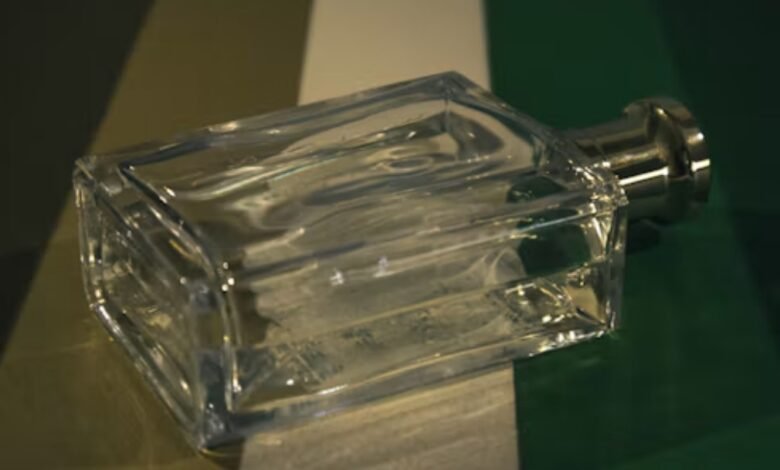
The architectural integrity of a fragrance vessel is far more than an exercise in sculptural aesthetics; it is an exacting discipline of chemical containment and fluid mechanics. Fine fragrances represent delicate thermodynamic solutions typically comprising 70% to 90% high-proof denatured ethanol balanced with concentrated aromatic essences. These compounds contain complex monoterpenes, aldehydes, esters, and volatile botanical isolates.
When exposed to inadequate materials, unstable closures, or erratic delivery mechanisms, the molecular integrity of the olfactory composition degrades rapidly. For niche fragrance houses and high-growth beauty brands, technical packaging decisions dictate the exact boundary between product longevity and commercial failure.
The Volatilization Vulnerability: Why Fragrance Chemistry Demands Impermeable Glass Substrates
The Chemical Reactivity and Permeation Dilemma
Liquid cosmetic formulations utilizing high-concentration organic solvents present immediate containment challenges for conventional packaging materials. Synthetic polymers such as polyethylene terephthalate (PET), high-density polyethylene (HDPE), and standard polypropylene are susceptible to chemical stress cracking, solvent swelling, and migration.
The chemical friction points between synthetic polymers and fine perfumes include:
- Lipophilic Sorption: Polymeric container walls absorb non-polar essential oil fractions, stripping delicate base notes from the formulation.
- Plasticizer Leaching: Aromatic esters gradually leach trace polymer additives and stabilizers, causing scent drift and skin irritation risks.
- Ambient Oxygen Ingress: Semi-permeable polymer matrices permit microscopic gas transmission, precipitating premature oxidation of fragile natural compounds.
In contrast, silica-based inorganic glass maintains absolute chemical neutrality. Possessing an amorphous, non-porous vitreous matrix, high-density glass prevents vapor migration and organic compound transmission.
UV Penetration and Oxidation of Top Notes
Photochemical stability represents a primary failure point for light-sensitive aromatic molecules. The most delicate olfactory elements—such as bergamot, neroli, and sparkling citrus aldehydes—contain conjugated double bonds vulnerable to photo-oxidation triggered by solar ultraviolet radiation (UV-A and UV-B spectra).
Exposure to ambient ultraviolet radiation cleaves volatile ester linkages and converts volatile monoterpenes into oxidized, acrid peroxide intermediates. To preserve aromatic fidelity without heavily relying on synthetic UV absorbers like benzophenones, packaging engineers specify pristine optical-grade flint glass.
Maintaining chemical equilibrium inside a fragrance vessel requires precise thermal annealing and hermetic sealing tolerances. According to technical manufacturing specifications from custom glass container specialistHua Glass, perfume-grade flint glass assemblies with uniform wall-thickness distribution and precision-crimped necks prevent volatile alcohol evaporation while providing an impermeable barrier against photochemical degradation.
By controlling batch iron oxide levels and applying specialty UV-attenuating surface treatments, custom glass containers shield interior aromatic molecules while preserving transparency and refractive brilliance.
Precision Dispersion: How Actuator Engineering Shapes the Olfactory Experience
Droplet Micronization and Delay-Mist Dynamics
The sensory evaluation of a fine fragrance relies heavily on the physical behavior of its spray cloud. The moment a consumer depresses the pump, the liquid column transitions from bulk hydrostatic fluid into an atomized aerosol cloud.
The underlying fluid dynamics hinge on precise actuator calibration:
- Targeted Micronization: Engineered actuators atomize liquid into a Sauter Mean Diameter (SMD) of 30 to 50 microns, maximizing air-liquid contact.
- Controlled Alcohol Flash-Off: Optimal micro-droplets allow carrier ethanol to flash-off mid-air, ensuring only pure fragrant essence lands on the dermis.
- Metering Accuracy (1.0ml vs. 1.3ml): High-output 1.3ml pumps suit bold body sprays, whereas controlled 1.0ml metered actuators prevent dermal pooling for concentrated Eau de Parfum.
- Delay-Mist Pre-Compression: Internal spring tension builds fluid velocity before opening the poppet valve, preventing sputtering and uneven dribbles.
Crimp-Neck vs. Screw-Neck Closure Tolerances
The interface between the glass bottle neck and the pump housing represents the single highest risk zone for product leakage and evaporation during global freight transit.
International air transit exposes retail cartons to cabin pressure drops (). In screw-neck containers, vibration-induced torque back-off can loosen thread contact, leading to micro-channel leaks. Industrial crimp-neck closures permanently clamp an aluminum or stainless steel skirt beneath the glass transfer bead, compressing an internal fluoropolymer gasket to establish an impermeable hermetic seal.
The Weight of Luxury: Haptic Ergonomics and Wall-Thickness Distribution
The Psychology of the Heavy-Base Flacon
In consumer neuroscience, tactile perception serves as an immediate proxy for intrinsic value. Known as cross-modal sensory correspondence, the human brain directly associates physical mass with craftsmanship, potency, and luxury.
A featherweight container subconsciously cues dilution and transient mass-market manufacturing, whereas a heavy, stable base reinforces formulation density and heritage:
- Low Center of Gravity: Concentrating mass within the bottom third of the container prevents vanity-table tip-overs and provides reassuring balance in hand.
- Acoustic Feedback: The solid, muted resonance produced when setting a thick glass base on stone surfaces signals premium build quality.
- Depth Perception: Pure glass bottoms create an optical lens that amplifies the chromatic radiance of the perfume oil within.
Tactile feedback remains one of the strongest subconscious drivers in premium retail. Consumer behavior analysis published byForbes confirms that physical packaging weight and surface texture directly influence perceived brand authenticity and justify premium pricing, demonstrating that the tactile heft of custom glass serves as a primary driver of customer retention before the product is even unboxed.
Controlled Annealing and Scratch Resistance
Engineering an exceptionally thick glass base requires stringent furnace thermal management. During rapid cooling, differential temperature gradients between a thick 15mm base and a 3mm sidewall create severe internal hoop stresses.
To prevent structural failure and achieve pristine cosmetic clarity:
- Extended Lehr Annealing: Bottles travel through a temperature-controlled annealing lehr, cooling slowly from 550°C to ambient levels to eliminate internal stress birefringence.
- Polariscopic Inspection: Polarized light stress meters verify zero structural strain fringes around high-stress transition zones.
- Hot-End and Cold-End Coatings: Thin-film tin oxide and polyethylene wax coatings enhance scratch resistance, preventing surface scuffing during high-speed bottling and packing.
Key Takeaways
| Area | Key Takeaway | Impact/Data |
| Substrate | Ban polymers in favor of flint glass | Shields 70%–90% ethanol from oxidation and leaching |
| Atomization | Specify 1.0ml pre-compression pumps | Yields 30–50 µm SMD mist; stops dripping and pooling |
| Freight Seal | Enforce crimped collars over screw threads | Prevents leakage under 20–30 kPa cabin pressure drops |
| Glass Annealing | Mandate 550°C Lehr cooling controls | Eliminates hoop stress across 15mm base / 3mm wall |
| Supply Chain | Deploy modular standardized tooling | Cuts custom launch MOQs from 100k to 1k–3k units |
Supply Chain Agility: Bridging the Gap Between Prototyping and Commercial Scaling
The Pitfalls of High MOQs for Emerging Fragrance Houses
Independent and direct-to-consumer (DTC) fragrance brands navigate volatile inventory realities. Traditional glass manufacturing relies on massive regenerative furnaces that produce hundreds of tons daily, imposing rigid minimum order quantities (MOQs) of 50,000 to 100,000 units per custom mold run.
For indie founders testing avant-garde olfactory profiles, these volume barriers create severe financial and logistical strains:
- Capital Lock-Up: Sinking six-figure budgets into packaging inventory drains operational capital away from essential marketing and fragrance oil procurement.
- Prolonged Iteration Cycles: High-volume legacy mold design cycles commonly require 6 to 9 months before prototype validation can occur.
- Dead Stock Exposure: Committing to mass inventories ahead of consumer validation creates dangerous inventory exposure if a seasonal flanker underperforms.
Progressive glass converters now address this market gap by deploying semi-automated production lines and flexible modular tooling:
- Low-Volume Tooling Runs: Flexible molds allow pilot production batches starting as low as 1,000 to 3,000 pieces for commercial product validation.
- Modular Neck Standardization: Standardizing closure finishes across bottle shapes lets brands purchase bespoke glass silhouettes while leveraging unified actuator inventory.
- Agile Market Entry: Shorter pilot production cycles allow emerging fragrance houses to launch limited-edition drops and scale manufacturing dynamically alongside retail demand.
By aligning material purity, fluid mechanics, and agile supply chain strategies, modern fragrance houses ensure their sensory creations endure in the bottle and captivate the consumer.