A travel tea set has an unusual selling point: it promises a pause while everything around it is moving. For a proposed product video for a small independent shop, I would build the scene around that contrast. A compact case would rest beside a window, then the film would reveal a cup and pot arranged for a quiet break. The finished piece would help viewers understand the object through scale, texture, and use.
I would begin with photographs of the actual set rather than a collection of luxurious tea-room images. The case, pot, and cups would need to look like the products available from the shop. My first composition would place the closed case beside a folded cloth, with soft daylight revealing its surface. There would be no logo animation or price card in the opening moment.
The question guiding my Seedance 3.0 concept would be simple: can a few restrained moving shots make this small set feel tangible? The AI video model supports text-to-video, image-to-video, and reference-based generation that can combine text, images, video, and audio. I would use those inputs to establish the product and camera direction, then handle accurate labels and the final sequence in an editor.
Photograph the details that identify the set
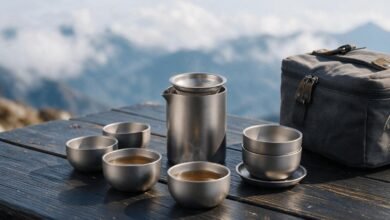
Before generating motion, I would prepare a front view of the case, a clear photograph of the open arrangement, and a close view of the pot’s handle and spout. Those features distinguish the product from a generic tea set. I would keep the background and lighting similar across the images, reducing the chance that the film feels like it changes rooms between shots.
Scale would need special attention. A miniature-looking cup can make the product confusing, while an oversized pot changes the impression of portability. I would include a familiar, accurately sized object in one reference photograph for my own comparison, then decide whether it belongs in the final scene. The video should communicate compactness through the arrangement, not through an invented claim about capacity or weight.
My first Seedance 3.0 shot would move slowly across the closed case. I would describe a modest sideways slide, stable window light, and an unchanged product shape. The movement would reveal the texture and fastening without circling the object. A full orbit is unnecessary when the important information sits on one side of the case.
Reveal the contents without a complicated transformation
In the Seedance 3.0 sequence, I would cut from the closed case to a separately prepared view of the open set. That choice avoids asking one generated clip to reproduce a precise hinge movement, reveal several objects, and keep every compartment consistent. A clean cut would still feel like a reveal if the case occupies a similar part of the frame and the camera direction continues naturally.
The open-set reference would show only the items that actually belong to the product. I would not add a strainer, extra cup, or decorative spoon simply because it makes the scene look fuller. The purpose of this shot is to let a potential customer see the arrangement. Extra objects can be beautiful, but they should be clearly separate props rather than implied contents of the package.
For this Seedance 3.0 scene, I would request a gentle approach toward the cup and pot, with the case remaining still behind them. If the compartments shifted or a cup changed shape, I would shorten the movement and simplify the framing. The most useful revision would preserve the product’s identity, even if that means giving up a more ambitious camera idea.
Choose one action that explains the mood
A pouring shot would be tempting, but it combines several difficult details: liquid, a moving pot, a hand, and a cup that must stay consistent. For the first version, I would instead show the filled cup resting beside the pot. A small reflection on the surface and a soft shift in the background could suggest a quiet tea break without making the film depend on a complex physical action.
If a pouring scene later became essential, I would prepare an original motion reference and test it as a separate shot. Seedance 3.0 could take the movement reference alongside the product photograph and written direction. I would compare the result with the real pot, especially the spout and handle, before deciding whether it belongs in the final product video.
The alternative is not a lifeless film. A slow movement from the case toward the cup can guide attention just as effectively. I would let the viewer notice the ceramic finish, the relationship between the pieces, and the space they occupy. Those are concrete reasons to watch, and they suit a product associated with a calm break.
Give sound a small but clear role
I would prepare a short original audio reference with the soft sound of a cup meeting a cloth-covered surface. A little room ambience would make the scene feel grounded. Any music would stay light and unhurried, with no large swell that suggests a dramatic event. The sound should support the sense of handling a small object carefully.
In the final edit, I would place the cup sound at a visible change of shot rather than force it into every generated movement. The Seedance 3.0 material would provide the moving images, while the editor lets me adjust the exact relationship between the sound and the cut. I would check the sequence without audio too, making sure the product remains understandable on a muted social feed.
Finish with the information the viewer needs
The closing frame would show the complete set with enough space for a concise product name. I would add that text as an editable layer and check it against the shop’s actual listing. Dimensions, included pieces, and material descriptions would come from verified product information, not from the visual model’s interpretation of the photographs.
I would prepare one horizontal version for the product page and a separate vertical crop for social sharing. The vertical version might need a different selection of shots, because squeezing the full open case into a narrow frame could make the cups too small to see. Reframing should preserve the product’s proportions and keep the important pieces visible.
Before delivery, I would compare the selected Seedance 3.0 clips with the original photographs one more time. The video would be labelled as an illustrative product concept wherever that distinction matters. Its success would lie in a simple impression: a compact case opens into a considered moment of rest. That is a more useful story for this tea set than a busy sequence of effects.