Introduction
Why are more people turning to apps like Kinervus for emotional support? In today’s fast-moving digital world, many individuals feel overwhelmed by constant notifications, social media pressure, and the stress of daily responsibilities. This digital overload often leads to anxiety, isolation, and emotional imbalance. As a result, people are searching for simple, accessible ways to manage their mental health without needing complex systems or expensive therapy sessions. This is where Kinervus is gaining attention and becoming a trending solution in the mental wellness space.
If you are wondering what Kinervus is and why it is becoming so popular, you are not alone. Many users are exploring the Kinervus app as a modern way to improve emotional health while staying connected to their digital lifestyle. This guide explains kinervus in the simplest and most complete way, helping you understand its meaning, purpose, and real-life benefits.
Kinervus is a modern digital mental wellness platform that uses technology, emotional tracking, and personalized support tools to help users manage stress, anxiety, and overall mental health in daily life.
What Is Kinervus?
Kinervus is an innovative mental wellness platform designed to support emotional health using simple digital tools. At its core, the kinervus meaning reflects a combination of technology and human emotion, offering users a smart way to understand and manage their feelings. Unlike traditional methods that may feel complicated or difficult to access, Kinervus provides an easy and practical solution that fits naturally into everyday life.
The platform works as both a digital mental health tool and a personalized support system. It allows users to track their emotions, learn about their mental patterns, and access helpful resources that guide them toward better emotional balance. This makes Kinervus not just an app, but a complete emotional wellness experience that supports long-term growth and self-awareness.
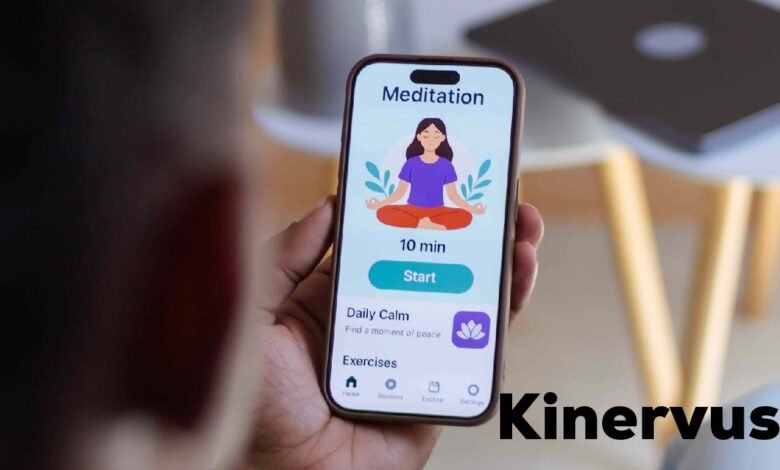
Kinervus as an App: It is a mobile-based emotional support tool that users can access anytime, making mental wellness more flexible and convenient.
Kinervus as a Concept: It represents a modern approach to mental health, where technology plays a key role in improving emotional awareness.
Kinervus Purpose: Its main goal is to reduce stress, support mental clarity, and help users build healthier emotional habits over time.
By combining elements of a mental wellness platform, an emotional health app, and digital therapy support, Kinervus creates a balanced system that is both practical and effective for today’s lifestyle.
Why Kinervus Is Gaining Popularity
The growing popularity of Kinervus is closely connected to the challenges people face in modern life. Many individuals are dealing with digital stress, constant distractions, and emotional pressure from both personal and professional environments. As awareness of mental health increases, people are actively searching for tools that can help them feel more stable and in control. This is why terms like Kinervus app benefits, why use Kinervus, and Kinervus review are becoming more common in online searches.
One major reason for its popularity is easy access. Users can get emotional support directly from their phones without waiting for appointments or spending large amounts of money. This makes Kinervus an attractive option for those who want quick and simple solutions. Another key factor is privacy. Many people prefer to manage their emotions in a personal and secure space, and Kinervus offers that comfort.
Personalized experience also plays a big role. The platform adapts to each user’s needs, providing content and suggestions based on their emotional patterns. In addition, the community connection feature allows users to feel less alone by interacting with others who share similar experiences. This sense of belonging makes the app more engaging and supportive, which is why it continues to grow in popularity.
The Impact of Technology on Emotional Well-being
Technology has a strong influence on emotional well-being, and its effects can be both positive and negative. On one side, social media platforms often create pressure to compare lifestyles, achievements, and appearances. This comparison culture can lead to feelings of inadequacy, anxiety, and even burnout. The constant need to stay connected can also reduce personal time, making it harder for individuals to relax and recharge.
At the same time, technology has opened new doors for mental health support. Online therapy services, mental health apps, and digital communities have made emotional care more accessible than ever before. People who once felt isolated can now find guidance, support, and understanding through digital platforms. This shift has changed the way society approaches mental wellness.
Kinervus takes advantage of the positive side of technology while reducing its negative impact. Instead of adding more stress, it helps users slow down and reflect on their emotions. By offering tools like mood tracking and guided activities, Kinervus turns technology into a supportive companion rather than a source of pressure. This balanced approach is what makes it effective in improving emotional well-being.
How Kinervus Combines Technology and Mental Health Support
Kinervus uses advanced technology to provide meaningful mental health support in a simple and user-friendly way. The system is built around smart features such as AI personalization, emotional tracking, and data-based insights. These elements work together to understand the user’s emotional state and offer helpful suggestions that match their needs.
When a user starts using the platform, the onboarding process collects basic information about their emotional habits and goals. This allows the app to create a personalized experience from the beginning. As users continue to log their emotions, the system tracks patterns and identifies changes over time. This journey from onboarding to tracking and improvement helps users become more aware of their mental state.
What makes Kinervus unique is its ability to provide real-time support. Users can access helpful tools whenever they need them, whether they are feeling stressed, anxious, or simply looking to relax. The adaptive recommendations ensure that the content remains relevant and useful. This combination of technology and emotional care creates a powerful system that supports mental wellness in a practical and effective way.
Key Features of the Kinervus App
The Kinervus app offers a range of features designed to improve emotional health in a simple and engaging way. One of the most important features is mood tracking, which allows users to record their daily feelings. This helps them understand emotional patterns and identify triggers that affect their mood.
Guided meditation is another key feature that provides relaxation and stress relief. These sessions are designed to calm the mind and improve focus, making them useful for both beginners and experienced users. Journaling prompts encourage self-reflection by helping users express their thoughts and emotions in a structured way.
The community support feature connects users with others who are going through similar experiences. This creates a sense of belonging and reduces feelings of isolation. In addition, expert content such as articles and videos provides valuable information about mental health topics, helping users make better decisions.
AI insights play a crucial role by analyzing user data and offering personalized suggestions. This ensures that each user receives guidance that is relevant to their situation. Together, these features create a complete system that supports emotional well-being in everyday life.
Benefits of Using Kinervus for Mental Wellness
Using Kinervus can lead to many positive changes in emotional and mental health. One of the main benefits is reduced stress. By tracking emotions and using relaxation tools, users can better manage daily challenges and feel more in control of their lives. Improved mood control is another advantage, as users learn how to respond to their emotions in a healthier way.
Mental benefits include better focus and increased self-awareness. When users understand their emotional patterns, they can make clearer decisions and avoid negative habits. This leads to improved productivity and a more balanced lifestyle.
In terms of lifestyle benefits, Kinervus helps users build healthy routines such as regular reflection and mindfulness. These habits support long-term emotional stability and overall well-being. The combination of these advantages makes Kinervus a valuable tool for anyone looking to improve their mental health in a simple and effective way.
Real User Experiences and Testimonials
Many users have shared positive experiences after using Kinervus, highlighting its impact on their daily lives. Some individuals have reported significant relief from anxiety, explaining how the app helped them understand their emotions and develop better coping strategies. Others have mentioned improvements in stress management, noting that the guided activities made it easier to relax and stay focused.
There are also stories of people who have improved their daily routines by using the app regularly. They describe feeling more organized, calm, and aware of their mental state. These real-life situations show how Kinervus can make a practical difference in everyday life.
The emotional transformation experienced by users builds trust in the platform. By providing consistent support and useful tools, Kinervus helps individuals feel more confident in managing their mental health.
How Kinervus Compares to Other Mental Health Apps
When compared to other mental health apps, Kinervus stands out because of its strong focus on personalization and accessibility. Unlike traditional therapy, which may require appointments and higher costs, Kinervus offers immediate support at a lower cost. This makes it more accessible to a wider range of users.
Compared to other apps, Kinervus provides a more customized experience. Its ability to adapt to individual needs ensures that users receive relevant and helpful content. The ease of use also makes it suitable for beginners who may not be familiar with mental health tools.
Affordability and convenience are key advantages, as users can access support anytime without major commitments. These factors make Kinervus a competitive option in the growing market of mental wellness platforms.
Who Should Use Kinervus?
Kinervus is designed for a wide range of users who want to improve their emotional well-being. Students can use it to manage academic stress and maintain focus. Working professionals can benefit from tools that help reduce workplace pressure and improve productivity.
People dealing with anxiety or emotional challenges can use Kinervus to understand their feelings and find effective ways to cope. It is also suitable for individuals who are interested in personal growth and want to develop better mental habits.
The app is useful in situations such as daily stress, emotional imbalance, and the need for mental clarity. Its flexible design makes it suitable for anyone looking for a simple way to support their mental health.
Future of Kinervus and Digital Mental Health
The future of Kinervus looks promising as technology continues to play a bigger role in mental health care. Advances in artificial intelligence are expected to improve personalization, making support even more accurate and effective. This will allow users to receive guidance that is closely aligned with their needs.
Global accessibility is another important factor. As digital platforms expand, more people will have access to mental health resources regardless of location. Kinervus is likely to grow by adding new features, improving user experience, and reaching a larger audience.
These developments will contribute to a more advanced and inclusive mental health system, where technology supports emotional well-being in a meaningful way.
Why Emotional Well-being Is Important in the Digital Age
Emotional well-being is essential for maintaining a balanced and healthy life. It affects how people think, feel, and interact with others. In the digital age, challenges such as burnout, distraction, and information overload make it even more important to focus on mental health.
When emotional health is strong, individuals can handle stress more effectively and maintain better relationships. On the other hand, neglecting mental wellness can lead to long-term problems that affect both personal and professional life.
Tools like Kinervus provide a practical solution by helping users manage these challenges. By integrating emotional care into daily routines, individuals can maintain a healthier and more stable lifestyle.
Conclusion
Kinervus is a modern solution that combines technology and emotional care to support mental wellness in everyday life. It provides simple tools that help users understand their emotions, reduce stress, and build healthier habits. Its growing popularity reflects the increasing need for accessible and effective mental health support.
The platform is suitable for a wide range of users, from students to professionals, offering benefits that improve both mental and emotional well-being. As technology continues to evolve, Kinervus is expected to play an even greater role in shaping the future of mental health care.
Mental wellness is not optional anymore. It is a necessary part of living a balanced and fulfilling life, and tools like kinervus make it easier to achieve that goal.
FAQs
What is Kinervus?
Kinervus is a digital mental wellness platform that helps people manage stress, anxiety, and emotions using simple tools like mood tracking, guided activities, and personalized support.
How does the Kinervus app help mental health?
The kinervus app helps by tracking your emotions, giving useful suggestions, and providing calming activities like meditation and journaling to improve your mental well-being.
Is Kinervus free to use?
Kinervus may offer free features for basic use, while some advanced tools and personalized options can be available in paid plans depending on the app version.
Who should use Kinervus?
Anyone can use kinervus, including students, working professionals, and people dealing with stress, anxiety, or those who want to improve their emotional health.
Can Kinervus replace therapy?
Kinervus is a helpful support tool, but it does not fully replace professional therapy. It works best as a daily mental wellness companion alongside expert guidance when needed.