6.7 Powerstroke DPF Delete Pipe: What Ford Diesel Owners Should Know Before Upgrading

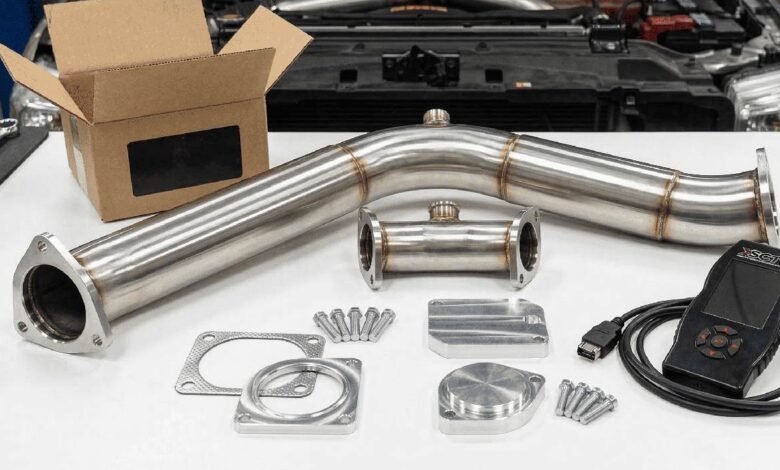
Owners of the Ford 6.7L Powerstroke are well-known for its impressive torque, durability and towing ability. Many exhaust owners eventually want to increase exhaust flow and decrease exhaust restriction, whether they’re using them for heavy duty, off road, or performance applications. One of the most talked about improvements in the diesel world is putting in a DPF delete pipe. Before making any changes, it’s essential to know what a DPF delete system is, the pros and cons, and what type of system is the best fit for your truck.
Knowing the Role of DPF System
The Diesel Particulate Filter (DPF) is one of the main elements of the factory pollution system used in modern diesel trucks. It is mainly designed for trapping soot and particulate matter which could go out from the exhaust system. Eventually the filter collects the particles and is then regenerated, which involves burning them out.
Although the DPF contributes to emission reduction, there are many arguments for the diesel enthusiast side that it can lead to exhaust gas restriction, higher requirements for maintenance and resulting higher exhaust gas temperatures. This has caused some off-road and competition vehicle owners to look for aftermarket exhaust modifications like a 6.7 Powerstroke delete pipe to enhance exhaust flow and overall performance.
What is a 6.7 Powerstroke DPF Delete Pipe?
A DPF delete pipe is an aftermarket exhaust pipe that replaces the original DPF section with a straight pipe. The aim is to minimise back pressure and to enable exhaust gases to be removed from the system more effectively.
There are numerous aftermarket manufacturers that have systems that cater directly to the Ford Super Duty based on the 6.7L Powerstroke engine. Typical sizes are 4″ and 5″ stainless steel tubing for strength and corrosion resistance. A number of manufacturers point to benefits like better exhaust flow, reduced exhaust gas temperature and better throttle response when it is used in off road applications.
Potential Performance Benefits
Another reason why DPF delete systems are considered for diesel enthusiasts is because of the possibility of getting better performance. The turbocharger can run more efficiently and can push exhaust gases through the exhaust system with less resistance due to the reduced restrictions in the exhaust system.
Some after-mount exhaust suppliers claim that removing the unsightly emissions systems can enhance throttle reaction, exhaust gas temperatures and can be paired with tuned engines to gain horsepower. Depending on supporting modifications and tuning strategies, some systems claim to boost the power of the engine by 30 to 80 horsepower.
Another popular one is a louder exhaust note. Turbo whistle and pitch seem to get deeper with delete pipes than stock. There are many occasions of Powerstroke owners discussing the better sound and exhaust flow of their vehicle following DPF part replacements in the community.
Maintenance Considerations
The accumulated soot must be removed from the factory DPF system from time to time by regeneration. Clogged filters, failed sensors, and regeneration problems over time can result in maintenance costs. For some diesel owners, delete systems are a means of wiping out the worry regarding DPF cleaning and regeneration cycles.
One of the many benefits advertised by aftermarket delete system manufacturers is the elimination of DPF maintenance. Some advantages for the diesel performance market are mentioned and include a decrease of backpressure and the removal of regeneration cycles.
Vehicle owners should note, however, that the removal of emissions-related parts alters the way the truck performs, and can impact warranty coverage, diagnostics, and future service needs.
Choosing the Right Delete Pipe
Delete pipes are not all alike. The quality of the materials, diameter of the pipes, the accuracy of fitments, and the design of the installation can make a huge difference in terms of the performance over the long term.
Opting for stainless steel systems is a popular choice among Ford owners as it offers enhanced protection against heat and rust. The T-409 and T-304 stainless steel materials are frequently used for manufacturing products for trucks in extreme conditions. Another important factor is pipe diameter. 4″ systems are used for balanced performance and sound while 5″ systems may be used by enthusiasts who want the maximum exhaust flow and a more aggressive sound.
If a direct fit is what you are looking for, the 2011-2022 6.7L Powerstroke DPF delete pipe is a perfect fit for Ford F-250 and Ford F-350 Super Duty owners. Constructed of stainless steel and designed for correct fitment, it is designed for off-road and competition use. The system, according to product specs, has a 5-inch downpipe-back design for enhanced exhaust efficiency and lower backpressure.
Why is it that tuning is so important?
One of the most important aspects of any DPF delete installation is tuning. Many electronic monitoring systems are used in modern 6.7L Powerstroke engines. If emissions equipment is removed without the proper software calibration, warning lamps, diagnostic trouble codes and driveability problems may result.
Rather than opting for the lowest price, diesel fans often stress investing in well-known tuning solutions. The reliability, performance and long term health of an engine following a delete is a constant topic of discussion in Powerstroke communities.
Legal and Regulatory Factors
Owners of trucks should be aware of local, state and federal regulations before buying any delete pipe. The exclusion of emissions equipment from vehicles running on public roadways is not allowed in many areas. It is common for manufacturers to declare a DPF delete product for use in off road, racing or competition only. These modifications may cause a vehicle to be unable to pass emissions inspection and could be in breach of environmental legislation.
Before altering their vehicle an owner should take the time to understand any laws that are relevant. There can be a lot of differences between jurisdictions regarding compliance requirements.
Final Thoughts
The DPF delete pipe is still a hot topic in the Ford diesel community. Some possible advantages are better exhaust flow, less back pressure, cooler exhaust temperatures, and a more aggressive exhaust note. Meanwhile, the truck owners need to take into account the requirements for tuning, warranty considerations, maintenance updates and legal restrictions before making a decision.
In off-road and competition builds, choosing a quality exhaust system and knowing the entire installation process can be beneficial in maximizing performance and reliability. With thorough research and careful selection of 6.7 Powerstroke-specifically designed components, owners can make informed choices that meet their performance objectives.