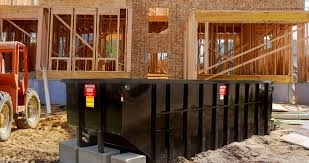
Commercial build-outs are fast-paced projects that require careful coordination between multiple trades, tight schedules, and evolving work zones. Whether transforming an empty shell into office space, renovating retail interiors, or preparing tenant spaces for occupancy, contractors must manage a constant flow of materials and debris throughout the project lifecycle.
One of the most important operational challenges during commercial build-outs is waste handling. Without a structured strategy, debris can quickly overwhelm active work areas, slow productivity, and interfere with daily construction operations. For commercial contractors, efficient waste management is essential for maintaining organization, supporting workflow, and keeping projects on schedule.
Why Commercial Build-Outs Generate Complex Waste Streams
Commercial build-outs involve many phases of work happening in overlapping timeframes. Demolition, framing, electrical installation, flooring, and finish work may all occur within the same project window.
This creates a wide range of debris, including:
- Drywall, metal studs, and ceiling grid systems
- Flooring materials such as tile, carpet, and vinyl
- Packaging from fixtures, lighting, and equipment
- Electrical and plumbing cutoffs
- Cabinetry, shelving, and built-in components
- Mixed debris from multiple subcontractors
Because several trades often work simultaneously, debris accumulates quickly across different areas of the site.
The Importance of Early Waste Planning
One of the biggest mistakes on commercial build-outs is waiting until debris becomes a problem before addressing disposal logistics. Once materials begin piling up, workflow and productivity are immediately affected.
Without a waste plan, contractors may encounter:
- Congested hallways and staging areas
- Limited space for material deliveries
- Increased labor spent moving debris multiple times
- Delays caused by overflowing containers
Planning ahead helps maintain control and prevents waste from disrupting the project.
Estimating Debris Volume by Project Phase
Each phase of a commercial build-out generates different types and amounts of waste. Contractors should estimate debris volume early to determine the right disposal strategy.
For example:
- Demolition phases create high volumes of bulky debris
- Framing phases generate moderate material offcuts
- Finishing phases produce lighter but steady waste streams
Understanding these patterns allows contractors to schedule containers and pickups more effectively.
Using Centralized Disposal Solutions
Centralized disposal is one of the most effective strategies for keeping commercial build-outs organized. Instead of allowing debris to collect in multiple locations, contractors can direct waste to designated containers consistently throughout the project.
Many commercial contractors coordinate disposal services through Waste Removal USA to maintain efficient waste handling across active build-out projects.
A centralized system helps:
- Keep work zones cleaner
- Reduce repeated material handling
- Improve coordination between trades
- Simplify daily cleanup efforts
This supports smoother project operations overall.
Positioning Containers Strategically
Container placement is critical on commercial projects where access and space are often limited. Dumpsters should be close enough for efficient use while remaining clear of delivery zones and high-traffic areas.
Effective placement strategies include:
- Positioning near loading docks or service entrances
- Keeping containers accessible to all active trades
- Maintaining clear access for haul trucks
Reducing hauling distance improves efficiency and minimizes unnecessary labor.
Managing Debris Across Multiple Work Zones
Commercial build-outs frequently involve several active work areas at the same time. Different trades may be working on separate floors, suites, or sections of the building simultaneously.
To maintain organization:
- Establish designated disposal areas for each zone
- Move debris to centralized containers regularly
- Prevent materials from accumulating in hallways or shared spaces
This helps keep the project manageable and organized throughout all phases.
Coordinating With Material Deliveries and Storage
Commercial projects involve constant deliveries of building materials, fixtures, and equipment. Waste handling must be coordinated carefully so debris does not interfere with staging and storage areas.
Contractors should ensure:
- Disposal areas remain separate from material storage zones
- Delivery routes stay clear at all times
- Containers do not block loading operations
Good coordination prevents unnecessary delays and congestion.
Supporting Multiple Trades Simultaneously
Commercial build-outs often involve electricians, plumbers, framers, flooring installers, painters, and finish crews working in overlapping schedules.
Clear waste handling procedures help:
- Reduce confusion between subcontractors
- Keep workspaces cleaner and safer
- Maintain accountability for cleanup responsibilities
Consistent expectations improve cooperation and workflow across the site.
Scheduling Consistent Pickup and Service
Debris accumulates steadily during commercial build-outs, making regular pickup service essential. Waiting until containers overflow can disrupt workflow quickly.
Contractors should:
- Monitor container usage daily
- Schedule pickups before capacity becomes an issue
- Increase service frequency during demolition or heavy installation phases
Consistent service helps maintain uninterrupted productivity.
Maintaining Safe and Accessible Work Areas
Cluttered construction zones create safety hazards and reduce efficiency, especially in commercial interiors where crews may be working in confined spaces.
Proper waste handling helps:
- Keep walkways and exits clear
- Reduce tripping hazards
- Improve movement between work areas
- Maintain safer conditions for all crews
A clean environment supports smoother daily operations.
Working in Occupied or Active Buildings
Many commercial build-outs take place in buildings that remain partially occupied during construction. This creates additional pressure to manage debris carefully and maintain professional conditions.
Contractors may need to:
- Schedule debris removal during off-hours
- Minimize disruption to tenants or businesses
- Prevent debris from spreading into public areas
Effective waste handling becomes especially important in these environments.
Adapting to Changing Site Conditions
Commercial build-outs evolve quickly as phases are completed and new work areas become active. Waste handling strategies should remain flexible throughout the project.
Contractors should be prepared to:
- Relocate containers as work shifts to new areas
- Adjust service schedules based on project activity
- Add disposal capacity during peak phases
Adaptability helps keep debris management aligned with construction progress.
Reducing Labor Through Better Waste Coordination
Without a structured system, crews spend unnecessary time relocating debris and cleaning congested work areas.
Efficient waste handling reduces:
- Repeated material movement
- Delays between construction phases
- Labor spent on unplanned cleanup tasks
This allows crews to focus on productive work instead of managing clutter.
Establishing Daily Cleanup Standards
Consistency is essential for keeping commercial build-outs organized. Contractors should establish clear cleanup expectations from the start of the project.
Helpful practices include:
- End-of-day cleanup requirements
- Regular debris removal from work zones
- Designated disposal procedures for all crews
Daily cleanup routines help maintain control over fast-moving projects.
Improving Overall Project Efficiency
Well-organized waste handling supports every phase of a commercial build-out. When debris is managed effectively, contractors can maintain cleaner workspaces, smoother coordination, and more consistent productivity.
Benefits include:
- Faster project progression
- Reduced downtime
- Better organization across trades
- Improved site professionalism
These efficiencies contribute directly to successful project completion.
Waste handling strategies are a critical part of successful commercial build-outs. By planning ahead, using centralized disposal systems, coordinating service schedules, and maintaining consistent cleanup practices, commercial contractors can keep projects organized and efficient from start to finish.
When debris is handled properly, it supports workflow, improves safety, and helps maintain steady progress throughout the construction process. For commercial build-outs, effective waste management is an essential component of overall project success.