Walk into a newly designed corporate office today, and you’ll notice something different.
The sterile, gray workplace is slowly disappearing.
Companies are investing in environments that feel more human, welcoming, and inspiring.
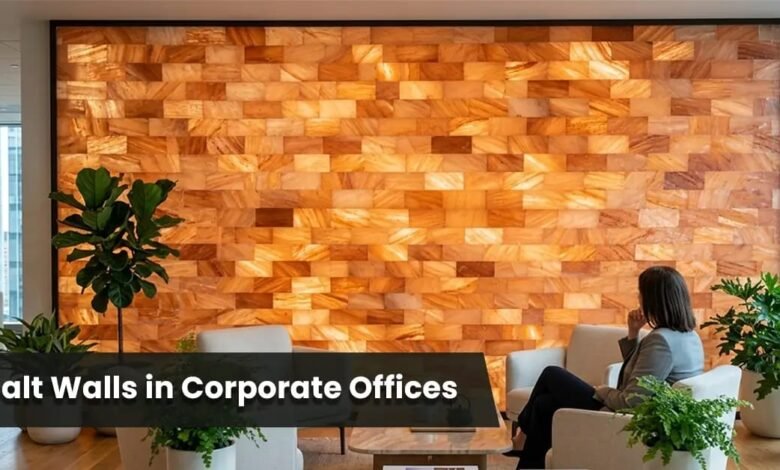
One design trend gaining attention is the use of Himalayan salt walls in office spaces.
From reception areas to executive meeting rooms, salt walls are becoming part of the broader movement toward biophilic workplace design.
But why are businesses embracing this trend?
The answer goes beyond appearance.
Many organizations view Himalayan salt walls as a long-term architectural investment that enhances workplace atmosphere, reinforces brand identity, and creates memorable environments for employees, clients, and visitors.
When paired with professional installation and the appropriate salt glue for bricks, these features are designed for long-term performance rather than appearance alone.
Why This Trend Matters to Architects and Facility Managers
For architects, interior designers, contractors, and facility managers, a Himalayan salt wall is more than a decorative feature. If you’re planning a premium commercial installation, learn why interior designers prefer specialized salt wall materials before selecting products and installation methods. Material selection, installation methods, lighting integration, and long-term durability all influence the success of a commercial project. Choosing compatible construction materials—including a specialty salt glue for bricks—helps create installations that remain structurally reliable while maintaining their visual appeal over time.
Why Are Corporate Offices Installing Salt Walls?
Many companies use Himalayan salt walls to support biophilic design strategies, improve workplace aesthetics, enhance employee experience, and create memorable office environments.
Modern workplace design increasingly focuses on people rather than just productivity metrics.
Organizations want spaces that feel:
- Comfortable
- Inspiring
- Professional
- Modern
- Wellness-focused
Salt walls fit naturally into these objectives.
Their warm appearance helps soften office interiors that might otherwise feel cold or overly corporate.
Where Are Salt Walls Commonly Installed in Commercial Offices?
Although reception areas remain the most popular location, architects increasingly incorporate Himalayan salt walls into executive suites, conference rooms, wellness spaces, employee lounges, collaboration zones, and client presentation areas.
Selecting the installation location early in the design process allows contractors to coordinate lighting, wall support, electrical access, and suitable bonding materials for a cleaner and more durable finish.
What Is Biophilic Design?
Biophilic design is an architectural approach that integrates natural materials, daylight, vegetation, and nature-inspired elements into built environments to improve occupant experience, visual comfort, and overall workplace appeal. Himalayan salt walls are often incorporated as decorative natural features within this design philosophy.
Common biophilic elements include:
- Natural lighting
- Indoor plants
- Water features
- Natural materials
- Organic textures
- Nature-inspired colors
Salt walls are increasingly included within biophilic office design because they introduce natural materials, warm illumination, and organic textures that soften commercial interiors. While they should not be viewed as health products, they can complement broader workplace design strategies that prioritize occupant comfort, visual appeal, and environmental quality. This approach aligns with many principles promoted by the International WELL Building Institute (IWBI).
Why Are Businesses Investing in Biophilic Offices?
Beyond aesthetics, many organizations also evaluate long-term return on investment. Premium workplace environments can strengthen employer branding, improve client perception, support employee retention efforts, and differentiate commercial spaces in competitive markets.
For this reason, architects often treat natural design features as part of a broader workplace strategy rather than as standalone decorative elements.
Workplaces are evolving. Today’s companies compete not only for customers but also for talent.
Office environments often influence:
- Employee satisfaction
- Workplace perception
- Corporate culture
- Recruitment efforts
- Visitor impressions
Creating attractive spaces can help organizations differentiate themselves.
This is one reason biophilic design continues to gain momentum across industries.
How Do Salt Walls Support Employee Wellness Environments?
Salt walls are frequently used because they contribute to calming, visually appealing spaces that support wellness-focused office design. While salt walls should not be presented as medical devices or health treatments, many organizations appreciate their ability to create a more relaxing atmosphere.
Design goals often include:
- Reduced visual harshness
- Improved comfort
- Enhanced workspace aesthetics
- Greater environmental appeal
- Positive employee experiences
The focus is often on environmental quality rather than health claims.
What Makes Salt Walls Visually Appealing in Offices?
Several characteristics make Himalayan salt walls stand out.
These include:
- Warm amber coloration
- Natural textures
- Unique mineral patterns
- Soft lighting effects
- Architectural depth
Unlike painted walls or standard decorative panels, salt walls create a focal point that immediately attracts attention. This is particularly valuable in client-facing environments.
Salt Wall vs Traditional Office Feature Wall
| Feature | Himalayan Salt Wall | Standard Feature Wall |
| Visual Impact | High | Moderate |
| Natural Material Appeal | High | Low |
| Biophilic Design Value | Strong | Limited |
| Brand Differentiation | High | Moderate |
| Visitor Memorability | High | Moderate |
| Premium Appearance | High | Variable |
This comparison helps explain why many companies view salt walls as more than decorative upgrades.
Why Are Salt Walls Popular in Reception Areas?
Reception areas often create the first impression visitors have of a company.
Businesses want that impression to communicate:
- Professionalism
- Innovation
- Attention to detail
- Brand quality
- Corporate culture
A backlit Himalayan salt wall can serve as a striking visual centerpiece.
Benefits include:
- Enhanced visitor experience
- Stronger visual branding
- Premium appearance
- Improved interior aesthetics
Many organizations position salt walls behind reception desks specifically for this reason.
Can Salt Walls Improve Meeting Room Design?
Many companies use salt walls to create more inviting meeting environments. Traditional conference rooms often feel sterile.
Designers increasingly seek ways to make these spaces more comfortable.
Salt walls may contribute through:
- Warm lighting
- Reduced visual monotony
- Improved room character
- Premium design appeal
The result is a meeting room that feels less institutional and more engaging.
How Do Salt Walls Fit into Executive Spaces?
Executive offices frequently incorporate premium materials.
Examples include:
- Natural stone
- Wood finishes
- \Architectural lighting
- Decorative wall systems
Salt walls complement these elements while helping reinforce a sophisticated atmosphere.
They are commonly used in
- Executive suites
- Boardrooms
- Leadership offices
- Client presentation spaces
Real-World Example: Technology Company Headquarters
Imagine a technology company redesigning its headquarters.
The goal is to attract talent while improving client impressions.
The company installs:
- Biophilic design elements
- Indoor greenery
- Natural wood finishes
- Backlit Himalayan salt walls
The reception area immediately becomes more distinctive. Visitors remember the environment long after meetings conclude.
This illustrates why many companies view office design as a strategic investment.
Are Salt Walls Becoming a Workplace Design Trend?
Yes. Salt walls are appearing in an increasing number of commercial projects.
Industries adopting the trend include:
- Technology firms
- Financial services
- Wellness companies
- Hospitality groups
- Professional service firms
- Corporate headquarters
The trend aligns with broader movements toward wellness-centered workplaces and human-focused office design.
How Do Salt Walls Support Corporate Branding?
Modern office design often reflects company values.
A thoughtfully designed space can communicate:
- Innovation
- Creativity
- Wellness orientation
- Premium service quality
- Employee-focused culture
Salt walls frequently support these branding objectives.
They also perform well in:
- Marketing photography
- Social media content
- Corporate videos
- Recruitment campaigns
In many cases, the wall becomes part of the company’s visual identity.
What Maintenance Do Office Salt Walls Require?
Salt walls are generally considered low-maintenance when installed in suitable indoor environments.
Routine care typically includes:
- Dust removal
- Visual inspections
- Lighting checks
- Humidity monitoring
- Periodic maintenance reviews
Environmental management remains important.
Factors affecting long-term performance include:
- Moisture levels
- Ventilation quality
- HVAC systems
- Temperature fluctuations
Preventive maintenance usually minimizes future repair costs.
Why Does Installation Quality Matter?
A salt wall is a long-term architectural feature. Its performance depends heavily on installation quality.
Professional installation focuses on:
- Proper structural support
- Suitable substrates
- Secure bonding systems
- Environmental planning
- Long-term durability
This is especially important in commercial environments where reliability is essential.
Why Is Salt Glue for Bricks Important?
The bonding system plays a critical role in overall wall stability.
Using appropriate salt glue for bricks helps support:
- Structural reliability
- Long-term durability
- Reduced maintenance
- Consistent performance
Although visitors rarely see the adhesive, it is one of the most important components behind the finished installation.
Salt Glue for Bricks vs Generic Construction Adhesives
| Feature | Salt Glue for Bricks | Generic Adhesive |
| Salt Wall Compatibility | High | Variable |
| Specialty Application Focus | Yes | Not Always |
| Long-Term Performance | Better Suited | Project Dependent |
| Commercial Installation Use | Common | Limited |
| Maintenance Risk | Lower | Variable |
Selecting suitable materials often reduces future maintenance concerns.
What Competitor Articles Usually Miss
Many articles focus solely on appearance. However, facility managers and business owners often care about broader considerations.
Topics frequently overlooked include:
- Employee experience
- Corporate branding
- Recruitment value
- Visitor perception
- Meeting room design
- Long-term ROI
- Maintenance planning
Addressing these factors provides a more complete understanding of why salt walls are growing in popularity.
Why Workplace Environment Matters
Research increasingly highlights the relationship between workplace design and occupant experience.
The American Society of Interior Designers (ASID) emphasizes how thoughtful material selection, lighting, and environmental design can influence how people perceive and interact with spaces.
Similarly, the International WELL Building Institute (IWBI) promotes workplace strategies that support comfort, well-being, and positive occupant experiences.
These principles help explain why organizations continue investing in human-centered office environments.
Are Salt Walls Worth the Investment for Corporate Offices?
For many companies, the value extends beyond aesthetics alone.
Potential benefits include:
- Stronger workplace branding
- Enhanced visitor impressions
- Improved office atmosphere
- Better recruitment appeal
- Memorable workspace design
When viewed as part of a broader workplace strategy, salt walls often serve multiple business objectives simultaneously.
Conclusion
Salt walls are becoming an increasingly visible feature in modern corporate offices because they align perfectly with the rise of biophilic design.
Companies are seeking workplaces that feel more engaging, welcoming, and people-focused.
A well-designed Himalayan salt wall can contribute to:
- Premium office aesthetics
- Memorable reception areas
- Enhanced meeting spaces
- Stronger corporate branding
- Wellness-oriented environments
When combined with professional installation and appropriate salt glue for bricks, these architectural features can become valuable long-term assets within modern workplace design.
FAQs
Why are offices installing Himalayan salt walls?
Many companies use salt walls to support biophilic design, improve aesthetics, and create more memorable office environments.
What is biophilic office design?
Biophilic design incorporates natural materials and nature-inspired elements into indoor environments to create more engaging spaces.
Are salt walls suitable for reception areas?
Yes. Many organizations use them as visual focal points to create stronger first impressions.
Can salt walls be installed in meeting rooms?
Yes. They are frequently incorporated into conference rooms and executive spaces to enhance ambiance and design appeal.
Do office salt walls require maintenance?
They typically require dust removal, inspections, lighting maintenance, and environmental monitoring.
Does salt glue for bricks affect long-term performance?
Yes. Proper bonding materials help support structural stability, durability, and reliable long-term performance.