Introduction
Cooking at home is often about finding ways to prepare meals faster while still achieving great flavor and texture. Many home cooks experience common challenges such as uneven baking, inconsistent browning, or meals that take longer than expected to finish. These issues can make everyday cooking feel more time-consuming, especially when preparing multiple dishes or cooking for a family.
A convection oven provides a more efficient cooking method by using a fan to circulate hot air throughout the oven cavity. This constant airflow helps distribute heat more evenly, allowing food to cook more consistently compared with traditional ovens. From roasting vegetables and preparing quick dinners to improving baking results, convection technology can make daily cooking easier and more predictable. Understanding how convection ovens work and how to use them properly can help home cooks get better results from their kitchen appliances.
What Makes a Convection Oven Different From a Traditional Oven?
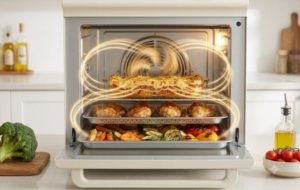
The biggest difference between a convection oven and a traditional oven is how heat moves around the food. A traditional oven uses heating elements to generate heat, but the air inside the oven remains mostly still. Because of this, some areas may become hotter than others, which can sometimes result in uneven cooking or the need to rotate trays during preparation.
A convection oven uses a built-in fan to circulate hot air continuously around the cooking area. This movement allows heat to reach the food more evenly, helping improve cooking consistency and overall results. The steady airflow can help create better browning, crispier surfaces, and more balanced textures in many types of dishes.
Key differences include:
- More consistent heat distribution
- Faster heat transfer around food
- Improved browning and crisping
- Better cooking performance for multiple dishes
Another benefit is that convection ovens are versatile enough for different cooking styles. They can be used for baking cookies, roasting vegetables, cooking meats, and preparing everyday meals. However, users may need to make small adjustments because circulating air can cook food more efficiently than a traditional oven.
Faster Cooking Times for Busy Everyday Meals
A convection oven can help reduce cooking time in many situations because moving hot air transfers heat more effectively. This allows food to cook more efficiently while maintaining moisture and texture. For busy households, this can make preparing weekday meals more convenient.
Foods such as roasted vegetables, chicken, baked snacks, and casseroles may benefit from improved airflow. While cooking times vary depending on ingredients and recipes, many dishes can be completed faster compared with conventional cooking methods.
The key is understanding that convection cooking is not simply about higher heat. It is about better heat movement. By allowing hot air to circulate around food, the oven creates a more balanced cooking environment that helps improve everyday meal preparation.
More Even Cooking Results With Better Heat Distribution
One of the main advantages of a convection oven is its ability to create more even cooking results through improved heat distribution. In a traditional oven, heat does not always move evenly, which can create hotter and cooler areas inside the cooking space. This may cause some parts of a meal to cook faster than others, resulting in uneven textures or inconsistent results.
A convection oven uses a fan to circulate hot air continuously around the food. This airflow helps heat reach different surfaces more effectively, allowing dishes to cook more evenly from all sides. It is especially helpful when preparing roasted vegetables, baked dishes, meats, and meals that require consistent temperatures.
For everyday cooking, better heat circulation means less monitoring and fewer adjustments. Home cooks may not need to rotate trays as often or worry about certain areas being undercooked. By maintaining a more balanced cooking environment, convection technology helps make meal preparation easier and more reliable.
Better Browning and Crispier Results Without Extra Effort
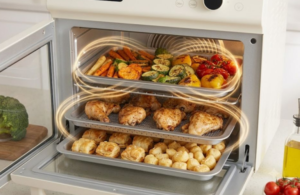
A convection oven can also improve browning and texture by helping remove moisture from the surface of food. The movement of hot air creates a drier cooking environment, which allows foods to develop crispier edges and more appealing colors without requiring extra effort.
This is especially useful for foods such as roasted potatoes, chicken, vegetables, and baked snacks. For example, circulating air can help chicken skin become more evenly browned and allow roasted vegetables to develop a better caramelized exterior while keeping the inside tender.
However, achieving good results still depends on proper cooking techniques. Overcrowding the oven or blocking airflow can reduce the benefits of convection cooking. Leaving enough space around food allows hot air to move freely and improves overall performance.
How a Convection Oven Improves Everyday Baking
Convection ovens can make everyday baking more consistent by providing steady heat throughout the cooking process. Baked foods such as cookies, pastries, bread, and cakes often require balanced temperatures, and improved airflow can help create more uniform results.
When baking multiple trays of cookies, for example, convection technology can help reduce differences between trays placed on different oven racks. Pastries may also develop better crusts because heat reaches the surface more effectively.
Bakers should still make small adjustments when using convection settings. Some recipes may require a slightly lower temperature or shorter cooking time because circulating air transfers heat more efficiently.
With the right adjustments, a convection oven can become a valuable tool for home baking. It helps improve consistency, saves time, and gives cooks better control over the final texture and appearance of their baked creations.
How to Adjust Cooking Temperature and Time in a Convection Oven
Using a convection oven may require small adjustments to cooking temperature and time because circulating air transfers heat more efficiently than a traditional oven. Many recipes created for conventional ovens may cook faster when convection settings are used.
A common approach is to slightly reduce the temperature or begin checking the food earlier than the original cooking time suggests. However, the exact adjustment depends on the recipe, food size, moisture level, and oven design.
Beginners should avoid making major changes immediately. Instead, monitor the first few cooking attempts and make small adjustments based on the results. Understanding how your convection oven performs with different foods will help create more consistent outcomes over time.
Energy Efficiency Benefits of Using a Convection Oven
A convection oven can help improve cooking efficiency by using heat more effectively. Since the fan circulates hot air around the food, many dishes can cook in less time compared with traditional oven methods. Shorter cooking periods may reduce the amount of energy needed for meal preparation.
Another efficiency advantage is that convection ovens can often maintain good cooking results at slightly lower temperatures for certain recipes. This means the appliance may not need to work as long or as hard to achieve the desired outcome.
However, energy savings depend on several factors, including cooking habits, food quantity, and how often the oven is used. A convection oven does not automatically guarantee lower energy use in every situation, but its improved heat circulation can support a more efficient cooking process.
For households that prepare meals regularly, the combination of faster cooking and better heat management can make convection cooking a practical choice for everyday kitchen routines.
Foods That Cook Especially Well in a Convection Oven

A convection oven is suitable for many different types of food because its circulating airflow helps improve texture, cooking consistency, and browning. Certain dishes benefit more from this cooking method because they rely on even heat exposure.
Foods that often perform well in a convection oven include:
- Roasted vegetables:The moving air helps vegetables develop caramelized edges while keeping the inside tender.
- Chicken and meats:Convection cooking can improve browning and help create a more evenly cooked surface.
- Baked goods:Cookies, pastries, and bread can benefit from consistent heat distribution and better texture.
- Frozen foods:Items such as fries, pizza, and snacks may become crispier due to improved airflow.
Beyond these examples, convection ovens are also useful for everyday meals like casseroles, fish, and reheated dishes. The key advantage is not only faster cooking but also improved control over the final result.
By understanding which foods respond well to convection cooking, home cooks can take full advantage of the technology. Whether preparing simple weekday meals or experimenting with new recipes, a convection oven provides flexibility and consistency for a wide range of cooking tasks.
Common Mistakes Beginners Make When Using a Convection Oven
Although convection ovens are designed to make cooking more efficient, beginners often need time to adjust to the different cooking method. One of the most common mistakes is using traditional oven settings without considering how circulating air affects cooking speed. Since hot air moves continuously around the food, some recipes may require slight temperature or time adjustments.
Another mistake is overcrowding the oven. Placing too many dishes close together can block airflow and prevent the fan from distributing heat properly. This can lead to uneven cooking and reduce the benefits of convection technology.
Beginners may also ignore proper food placement. Using the wrong rack position, covering food too tightly, or choosing cookware that restricts airflow can affect browning and texture. Allowing enough space around food helps hot air move freely and improves overall results.
Other mistakes to avoid include:
- Skipping preheating when needed
- Not checking food earlier during cooking
- Assuming every recipe works with identical settings
By understanding these common issues, new users can quickly become more comfortable with convection cooking and achieve more consistent results.
Practical Tips to Get Better Results From a Convection Oven
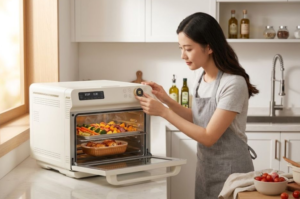
Using a convection oven effectively depends on a few simple habits. Always follow recipe instructions carefully and make small adjustments based on how your food cooks. Checking meals slightly earlier can help prevent overcooking while you learn the appliance’s performance.
Keep enough space between dishes to allow proper airflow, and avoid filling the oven beyond its recommended capacity. Proper rack placement and suitable cookware can also improve cooking consistency.
For those exploring compact convection cooking options, the Ciarra Nosh Oven demonstrates how modern countertop designs can combine efficient airflow with everyday kitchen convenience.
With regular practice, convection cooking becomes easier and more predictable. Small adjustments in temperature, timing, and food placement can help home cooks achieve better textures, improved browning, and more reliable results in everyday meals.
Is a Convection Oven Worth Adding to Your Kitchen?
Whether a convection oven is worth adding to your kitchen depends on your cooking habits, available space, and the types of meals you prepare regularly. For people who frequently bake, roast, or prepare family-sized meals, the improved heat circulation can make everyday cooking more convenient and consistent.
A convection oven can be especially useful for home cooks who want better browning, faster cooking times, and more even results. It can help simplify tasks such as roasting vegetables, preparing baked goods, and cooking multiple dishes with fewer adjustments.
However, it may not be necessary for everyone. People who rarely cook or are already satisfied with their traditional oven may not notice a major difference in their daily routine. Like any kitchen appliance, the value depends on how well it matches your cooking needs.
For those who enjoy experimenting with different recipes and want more control over cooking results, a convection oven can be a practical addition that improves everyday meal preparation.
Final Thoughts: Making Everyday Cooking Easier With Convection Technology
A convection oven can improve everyday cooking by creating better heat distribution, faster cooking performance, and more consistent results. The combination of circulating hot air and efficient cooking makes it useful for a wide range of meals, from roasted dishes to baked favorites.
While learning how to adjust cooking settings may require some practice, the benefits become clearer with regular use. Proper airflow, suitable cookware, and small temperature adjustments can help home cooks achieve better textures and flavors.
Choosing the right appliance depends on personal cooking preferences and kitchen requirements. Brands like Ciarra Appliances focus on developing practical kitchen solutions that support convenient and efficient cooking experiences.