The Top Boutique Clothing Suppliers for Women’s Fashion in 2026 (Ranked by Flexibility, Price, and Range)

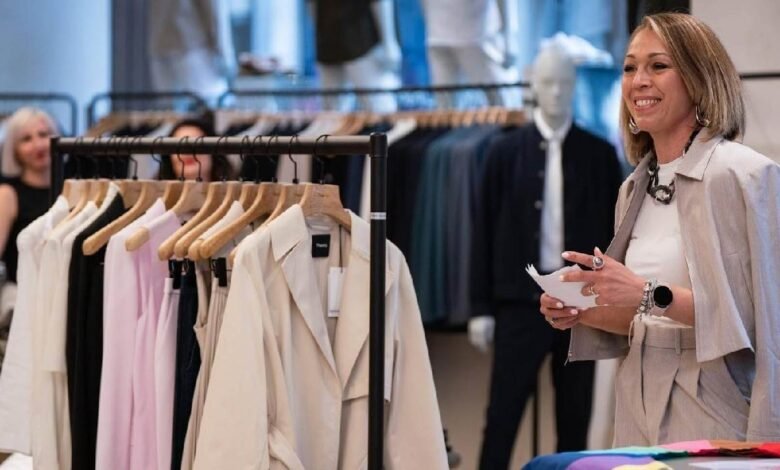
The women’s apparel market is now a $1.84 trillion beast, growing through 2028. And independent boutiques? They’re eating the industry’s lunch. Data from JOOR shows that specialty stores and indie boutiques jumped from 49% of wholesale transactions on the platform in 2020 to a staggering 62% in 2025.
The old model—bulk minimums, slow deliveries, and rigid seasonal calendars—is getting replaced by suppliers who let you order a single piece of a trending style without committing to a full size run. JOOR’s average order-to-ship time plummeted from 263 days in 2019 to just 102 days in 2024, and capsule collections now represent 37% of brand strategies, up from 19% two years ago (JOOR wholesale trends report).
This ranking isn’t just about price — it’s about the four things that truly make or break a boutique: flexibility, margin potential, trend speed, and reliable shipping and dropship reach.
Picking the right supplier isn’t a procurement task — it’s a strategic decision that can shape your entire business.
Methodology: How We Evaluated the Suppliers
Independent boutique owners don’t need another name list. They need a decision framework. We evaluated each supplier against five criteria that directly impact a boutique’s ability to test trends, manage cash flow, and sell across channels.
- Flexibility (MOQ & Ordering): Does the supplier allow open-pack mixing without per-SKU minimums? What’s the minimum checkout? Can you order single pieces to test new styles?
- Price & Margin Potential: Wholesale cost range, bulk discounts, estimated retail markup. A JOOR survey found 52% of brands identify wholesale as their most profitable channel—so margin matters.
- Trend Turnover Speed: How many new styles are added daily or weekly? How quickly can a boutique respond to micro-trends?
- Shipping Reach & Reliability: Countries served, local warehouse presence, delivery timeframes, carrier partnerships.
- Dropship & Platform Integration: Native support for Shopify, TikTok Shop, WooCommerce; automated fulfillment; brand-free packaging. Social commerce represents a significant portion of UK online fashion purchases, and TikTok is a major driver of sales.
All suppliers are evaluated through the lens of an independent boutique owner who wants to minimize inventory risk, test trends quickly, and sell on multiple channels (online store, social commerce).
1. Dear-Lover — The All-Rounder: No MOQ, Open Pack & Global Dropshipping Powerhouse
Dear-Lover has operated since 2007 and now serves boutique owners, private-label brands, and retailers across 160+ countries. The company has adopted the open-pack wholesale system—mix-and-match products in bulk with no minimum quantity per SKU—so retailers can order specific quantities and sizes based on their individual needs.
With 30+ new styles released daily across 120+ women’s apparel subcategories and a vertically integrated ecosystem spanning warehousing and ready-to-ship units, Dear-Lover is built for boutiques that need speed, variety, and zero inventory risk.
- Flexibility: No MOQ on in-stock women’s clothing; a $39 minimum order is required at checkout (excluding shipping, taxes, VAT). In-stock items drive a significant portion of Dear-Lover’s sales because the open-pack model lets boutiques test trends with minimal commitment.
- Price & margin: Wholesale prices typically range per piece, enabling a 2.5x–3x markup.
- Shipping: Ships from China to 200+ countries via UPS, DHL, and FedEx (business days international express). A US-based warehouse ships domestic-only with business-day express delivery.
- Dropship & integrations: Full white-label dropshipping with no Dear-Lover branding. Native API integration with Shopify, WooCommerce, and TikTok Shop. The Shopify app is rated 4.4 stars from 52 reviews, and the TikTok Shop model allows one-click catalog push and automatic order fulfillment in plain packaging.
- Plus-size & private label: XL to 5XL range, 30+ new SKUs added daily, trusted by over 500,000 retailers. For boutiques specializing in plus-size, this is a valuable resource — check out our guide on plus-size boutiques and women’s fashion for more on building a standout plus-size collection. Private-label runs start at 200 pieces per color (mix sizes allowed), with sample production in 7–10 days and bulk production in 2–4 weeks.
User signals back that up: ResellerRatings shows a 4.95/5 from 748 reviews (99.2% positive), customers praise fast shipping, quality, and size range, and YouTube boutique owners recommend Dear-Lover as a go-to vendor. Some Reddit users note shipping fees apply—so budget for them in your margins.
Best for: Boutique owners who need maximum flexibility (no MOQ), want to sell on TikTok/Shopify with automated dropship, and require a wide size range including plus.
Less ideal if: You need free shipping under $300 or prefer US-manufactured stock with same-day dispatch (then consider Tasha Apparel).
Tip: Use the $39 minimum to sample 2–3 styles before committing to larger orders.
2. Trendsi — Best for US-Focused Shopify Dropshippers
Trendsi is a fashion dropshipping and open-pack wholesale platform built natively for Shopify and TikTok Shop. Unlike factory-direct suppliers, Trendsi positions itself as a US-focused dropshipping enabler, offering domestic delivery and free returns with no monthly fees.
It ships dropshipping orders to countries and provides private labeling and in-house product photography, making it a convenient choice for US-based sellers who prioritize speed over absolute lowest cost.
- No monthly fees; platform built for Shopify and TikTok Shop integration.
- US domestic delivery; free returns reduce customer service friction.
- Private labeling available; in-house product photography provided.
- Ships dropshipping to countries (more limited global reach than some competitors).
Best for: US-based Shopify stores that prioritize fast shipping and simple returns, wanting a dropship-first model without warehousing complexity.
Less ideal if: You need the lowest possible unit cost, global shipping to 150+ countries, or wide-ranging style variety with 30+ daily new arrivals.
3. FashionGo — The Established Marketplace for Wholesale Variety
FashionGo is a leading online wholesale marketplace, founded in the Los Angeles Fashion District in 2002 and now connecting over 1 million buyers with thousands of verified wholesale brands across apparel, accessories, and home décor.
With 20+ years of retailer trust, it functions as a one-stop destination where boutiques can source from multiple suppliers under one account, access consolidated shipping, and use trend analytics tools.
FashionGo also hosts virtual trade shows twice a year, giving retailers seasonal buying opportunities.
- 1 million+ buyers and thousands of verified wholesale brands on one platform.
- Net terms and consolidated shipping streamline purchasing from multiple vendors.
- Dropshipping option available alongside wholesale buying.
- Trend analytics tools and twice-yearly virtual trade shows support buying decisions.
As a marketplace, FashionGo’s brand policies vary—MOQs and shipping terms depend on individual vendors. Prices include supplier markups, meaning boutiques may not achieve the same factory-direct margins available from vertically integrated suppliers.
Best for: Boutiques wanting one-stop access to thousands of verified brands with consolidated shipping and trend analytics.
Less ideal if: You need universal no-MOQ terms across all products or factory-direct pricing—FashionGo is a marketplace, not a manufacturer, and supplier policies vary widely.
4. Tasha Apparel — No MOQ with Same-Day LA Shipping
Tasha Apparel, founded in Los Angeles, sources from hundreds of makers in the LA Fashion District and offers no MOQ on all in-stock items. Its standout feature is operational speed: free shipping applies on orders over $300. The company also offers dropshipping with no upfront cost or hidden fees, making it a low-friction entry point for US-based boutiques.
- No MOQ on all in-stock items; free shipping on orders over $300; wide range of women’s and plus-size clothing, accessories, and jewelry.
- Dropshipping with no upfront cost or hidden fees.
- LA Fashion District sourcing ensures boutique-quality stock with fast domestic turnaround.
Tasha Apparel’s strength—hyper-local LA sourcing—is also its limitation for international sellers. It lacks international warehouses and doesn’t appear to offer the global shipping reach or platform integrations (beyond basic dropshipping) that globally oriented suppliers provide.
Best for: US-based boutiques needing ultra-fast turnaround, no minimums, and free shipping thresholds while sourcing LA Fashion District goods.
Less ideal if: You need international warehousing, dropship to dozens of countries beyond North America, or native TikTok Shop/Shopify API integration.
5. Bloom Wholesale — Open Packs and Weekly Fresh Drops from LA
Bloom Wholesale is based in the Los Angeles fashion district and offers women’s wholesale clothing with weekly new arrivals, open packs that allow single-piece purchasing, and flat-rate shipping.
The company requires no MOQ and runs a dedicated dropship program, positioning itself as an accessible supplier for boutiques that want frequent small-batch restocks without committing to bulk quantities.
- No MOQ required; open packs including single-piece purchasing.
- Weekly new arrivals keep inventory aligned with fast-moving trends.
- Flat-rate shipping and off-price deals on selected items.
- Dedicated dropship programme for online sellers.
User signals are mixed. Trustpilot reviews praise low shipping costs, good product selection, and affordability, but one negative review cited a ripped item and resolution taking over a month—the company does reply to 100% of negative reviews.
Best for: Trend-led boutiques wanting frequent small-batch restocks from the LA fashion district with minimal upfront commitment.
Less ideal if: You need advanced e-commerce integration (TikTok Shop auto-fulfillment), high-volume reliability backed by thousands of reviews, or global shipping outside North America.
6. Faire — Curated Wholesale for Unique Boutique Brands
Faire is a wholesale marketplace hosting over 100,000 brands and 700,000+ retailers globally. It specializes in connecting independent boutiques with artisan, small-batch, and indie brands rather than mass-market fast fashion.
Faire’s standout features are financial: net-60 payment terms on opening orders and free returns on first orders from new brands, significantly reducing the financial risk of testing new suppliers.
- 100,000+ brands and 700,000+ retailers; emphasis on independent and artisan labels.
- Net-60 payment terms on opening orders improve cash flow for new relationships.
- Free returns on first orders from new brands lower the risk of testing.
- Curated product selection focused on unique, boutique-quality goods rather than fast fashion.
The trade-off is pricing. Faire is also not designed for dropshipping—it’s a wholesale marketplace for stocking inventory, not fulfilling individual customer orders.
Best for: Established boutiques seeking artisanal, indie labels with favorable payment terms and low risk on first buys.
Less ideal if: You need fast-fashion pricing, dropshipping capability, or high-volume trend-driven inventory — Faire’s model prioritizes curation and brand storytelling over lowest cost and speed.
Caveats & Counterpoints
No single supplier checks every box. Dear-Lover’s strength in low-cost, no-MOQ inventory comes with shipping costs (no free shipping threshold) and primarily Asia-based stock—use the US warehouse for faster domestic delivery. Trendsi’s dropship speed is limited to countries, not truly global. FashionGo’s marketplace model means varied MOQs and vendor response times.
Evergreen and bestselling styles have grown from 37% of gross merchandise value on JOOR in 2019 to 49% in 2024, according to JOOR, so complement trendy buys with core inventory that turns reliably.
User signals offer reality checks: Dear-Lover’s ResellerRatings are outstanding (4.95/5, 748 reviews), but some Reddit comments note shipping fees—budget for these in your margins. Bloom Wholesale’s resolution hiccup (a month for a ripped item) highlights the importance of testing a supplier’s returns process before stocking heavily.
Start with small test orders across 2–3 suppliers, verify quality and shipping times to your location, and match supplier strengths to your specific business priorities—channel mix, geographic reach, margin targets. The right supplier isn’t the best on paper; it’s the one that aligns with how you actually sell.
Conclusion
Boutique owners should trade off flexibility, price, trend speed, and dropship capability based on their sales channels. The methodology here isn’t just for the six suppliers listed—use it as a reusable screening tool for any future vendor.
The women’s apparel market is projected to grow significantly, and boutique wholesale transactions are at an all-time high (62% of platform transactions, up from 49% in 2020). The suppliers that win are those offering open-pack flexibility, social-commerce integration, and transparent pricing.
With the UK apparel market alone generating £68.7 billion in 2025 and social commerce driving a significant portion of online fashion purchases, the right supplier partner can be the difference between surviving and thriving.
Choose based on your business model, not just a name on a list.