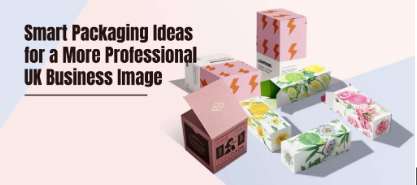
Professional packaging is not defined by the number of finishes, colours or decorative components. It is created by consistency, proportion, clear information and dependable production. A simple box can look premium when the print is sharp, the product fits correctly and every element appears intentional. By contrast, an expensive pack can feel unprofessional when typography is crowded, colours vary between batches or the product moves around inside. UK businesses can improve presentation by fixing the basics first and then adding a few distinctive details that reflect the brand rather than following every packaging trend.
Start with a disciplined visual system
Limit the design to a clear logo treatment, a controlled colour palette and two complementary type styles. Repeating these rules across sizes creates a stronger impression than redesigning every box independently. This matters because packaging performance is judged in use, not in a design file. Create a short checklist covering dimensions, material, artwork position, assembly and acceptance criteria, then use the same checklist for samples and deliveries.
Use print where it adds communication value
When sourcing Custom Printed Boxes UK, decide what the printing must achieve: recognition in transit, product explanation, gift presentation or an inside message. Purposeful print is easier to read and usually more economical than covering every surface. The practical value appears when the rule can be repeated across normal orders. Ask the team that packs, stores, displays or returns the product to review the proposal before production, because small practical issues are easiest to solve at sample stage.
Improve proportions and product fit
A box looks more considered when the margins, panels and opening direction suit the product. Reduce unused space, align the item with the reveal and avoid inserts that appear improvised or collapse during handling. A useful way to control the decision is to turn it into a measurable specification. Compare at least two realistic options using the same packed product and sales channel. Record the effect on protection, labour, storage, presentation and total cost.
Choose one signature detail
A distinctive opening tab, inside colour, patterned sleeve or short brand line can make the pack memorable. One well-executed feature is more professional than several finishes competing for attention. The strongest result comes from combining design intent with operational reality. Prototype the complete pack and observe how a person uses it without explanation. Any hesitation, movement or confusion should become a design action before the order is approved.
Design for product photography
Packaging now appears in product pages, social content, marketplaces and customer videos. Test whether key text remains legible, glare is controlled and the box shape presents well from common camera angles. For a growing business, repeatability is as important as the first visual impression. Keep an approved physical sample and a written specification. These references make it easier to maintain quality when volumes increase, artwork changes or another supplier is considered.
Create a scalable product-box system
A supplier developing Custom Product Boxes should be given size families, artwork rules and future product plans. Modular dimensions and repeatable layouts make it easier to add new SKUs without losing consistency. This is also where a clear supplier brief can prevent avoidable cost and inconsistency. Set a review date after launch and use customer comments, damage records and packing observations to decide whether the feature should be retained, simplified or strengthened.
Introduce production quality checks
Approve colour references, print position, board shade, crease quality and glue finish before full production. Keep a signed sample so later deliveries can be compared against an agreed standard rather than memory. Treat the decision as part of the wider product and customer journey rather than an isolated print choice. Avoid changing several variables at once. A controlled test makes it easier to understand whether the structure, print, insert or message caused the improvement.
Control the final packing standard
Professional packaging can still look poor when the product is inserted carelessly. Create simple photo instructions showing how tissue is folded, labels are aligned, components face and cards are positioned. Train against the approved packed sample and inspect a small number of orders regularly. This is particularly important when temporary staff or external fulfilment partners are used. Consistent packing turns good packaging components into a dependable customer experience.
Common Mistakes to Avoid
Do not confuse professional design with maximum decoration. Too many fonts, finishes and messages can make the pack look less controlled and increase production variation. Avoid introducing a signature detail that is difficult to assemble or inconsistent at volume. Another error is ignoring the condition of the packed product: crooked labels, fingerprints, loose tissue and misaligned inserts can undo good design. Use a physical approval sample, clear packing instructions and routine checks so the professional look survives beyond the first prototype and remains consistent in everyday fulfilment.
A Practical Next Step
Choose one representative product and turn the recommendations in this article into a one-page packaging brief. Include the packed dimensions, product risk, sales channel, required messages, target order quantity and the customer experience you want to create. Ask a supplier for a structural sample and a clearly itemised quotation, then test the complete pack with the people who will store, assemble and receive it. This small controlled project provides evidence before the approach is extended across the wider range.
Conclusion
A professional look comes from control, not excess. UK businesses should simplify the visual system, improve product fit and select one or two details that express the brand clearly. Production consistency is just as important as the initial concept, so specifications and approved samples must be documented. When every pack follows the same rules, even a modest packaging budget can create a confident and established business image.
Frequently Asked Questions
What is the quickest way to make packaging look more professional?
Improve alignment, spacing and consistency. A clean label placed accurately on a well-sized box can look more professional than a heavily decorated pack with poor fit or inconsistent print.
Which print finish is best for a premium look?
There is no universal best finish. Matte lamination, foil or spot effects work only when they suit the brand and material. Strong typography and good colour control should come first.
How many packaging sizes should a small range use?
Use the smallest practical family that protects the products. Too many sizes increase stock and complexity, while too few can create waste and poor presentation. Group SKUs by dimensions and risk.