Choosing a preschool is one of the first major educational decisions parents make. The right environment can encourage curiosity, independence, confidence, and a genuine interest in learning. For families searching for a montessori preschool near me, understanding what makes a Montessori-inspired learning environment effective can make the selection process much easier.
Rather than focusing only on academics, Montessori education encourages children to learn through exploration, practical experiences, and purposeful activities. However, every preschool environment is different. Parents should consider teaching practices, classroom design, safety, communication, and their child’s individual needs before making a decision.
Understanding the Montessori Approach
The Montessori approach is built around the idea that young children naturally want to explore and understand their surroundings. Instead of relying entirely on teacher-led lessons, classrooms usually provide carefully selected activities that children can explore with guidance.
Learning Through Hands-On Experiences
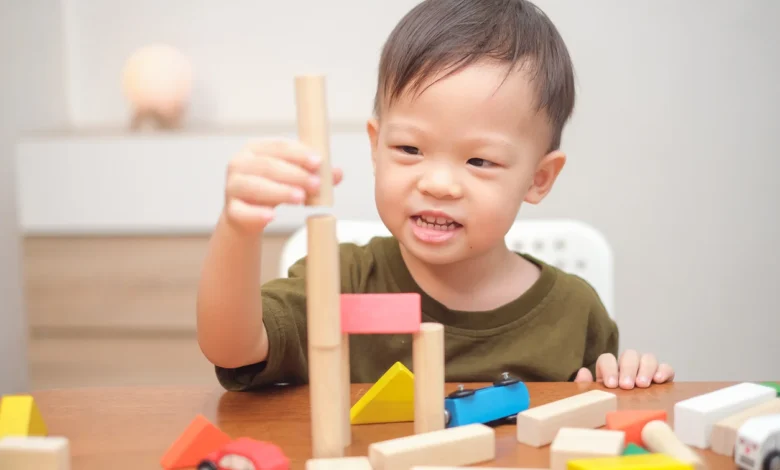
Young children understand concepts more effectively when they can see, touch, move, arrange, and experiment. Montessori classrooms commonly use hands-on activities to introduce ideas involving numbers, language, sensory development, coordination, and everyday life.
This approach turns learning into an active experience. Children do not simply listen to information; they interact with materials and discover relationships for themselves.
Look for a Child-Centered Classroom
When parents search for a montessori preschool near me, the classroom environment deserves close attention. A thoughtfully organized space should feel welcoming, calm, accessible, and appropriate for young learners.
Furniture and learning materials should be easy for children to use independently. Activities should have clear purposes, while children should have opportunities to make age-appropriate choices.
A well-planned classroom also encourages responsibility. Simple routines such as returning materials, organizing personal belongings, or cleaning an activity area can gradually build valuable everyday habits.
Consider How Teachers Guide Children
Teachers have an important role even in environments that encourage independent learning. Instead of controlling every activity, educators observe children, introduce suitable experiences, and provide support when needed.
Observe Teacher-Child Interaction
Parents should notice how educators communicate with children. Do they speak respectfully? Are instructions clear and patient? Do they encourage children to try before immediately stepping in?
Positive interactions can help children feel secure while developing confidence. Teachers should also understand that children progress at different rates. A supportive environment recognizes individual development rather than expecting every child to reach milestones at exactly the same time.
Check Safety, Cleanliness, and Daily Routines
Educational philosophy matters, but practical considerations are equally important. Parents comparing a montessori preschool near me should ask about classroom hygiene, supervision, secure entry and exit procedures, emergency preparedness, and child-friendly facilities.
Daily routines also provide useful insight. Young children generally benefit from a predictable rhythm that balances structured activities with movement, meals, rest, outdoor experiences, and free exploration.
Families exploring options in the area can also review the preschool location in Sholinganallur to understand accessibility and determine whether the commute fits comfortably into their daily routine.
Evaluate Opportunities Beyond Academics
Early childhood education should support the whole child. Language and number concepts are important, but social, emotional, physical, and creative development matter too.
Social and Emotional Growth
Preschool gives children regular opportunities to interact with peers, communicate their needs, cooperate, wait for turns, and solve small disagreements. These experiences can help children develop patience and empathy.
Creative activities such as music, storytelling, art, movement, and imaginative play can also enrich the learning experience. Outdoor activities provide additional opportunities to strengthen coordination and encourage curiosity about the natural world.
Ask About Parent Communication
Strong communication between families and educators can make the preschool experience more meaningful. Parents should understand how teachers provide updates about classroom activities, developmental observations, routines, and important events.
Open communication also gives parents an opportunity to share information about their child’s interests, habits, preferences, or transitions at home. When educators and families understand one another, children often experience greater consistency between home and school.
Visit Before Making the Final Decision
Online research can help create a shortlist, but an in-person visit provides details that descriptions cannot fully capture. Observe whether children appear comfortable and engaged. Look at how classrooms are arranged and how teachers respond when children need assistance.
Ask questions about the daily schedule, learning activities, settling-in process, outdoor time, and approaches to independence. More importantly, consider whether the atmosphere feels suitable for your child’s personality.
Conclusion
Finding the right montessori preschool near me involves more than selecting the closest option. Parents should consider the learning philosophy, teacher interactions, classroom environment, safety practices, developmental opportunities, communication, and daily convenience.
A thoughtful preschool environment can give children space to explore while providing the guidance and consistency they need. By visiting potential settings, asking practical questions, and considering how each environment supports individual development, parents can make a more confident choice and help their child begin the early learning journey with curiosity and enthusiasm.