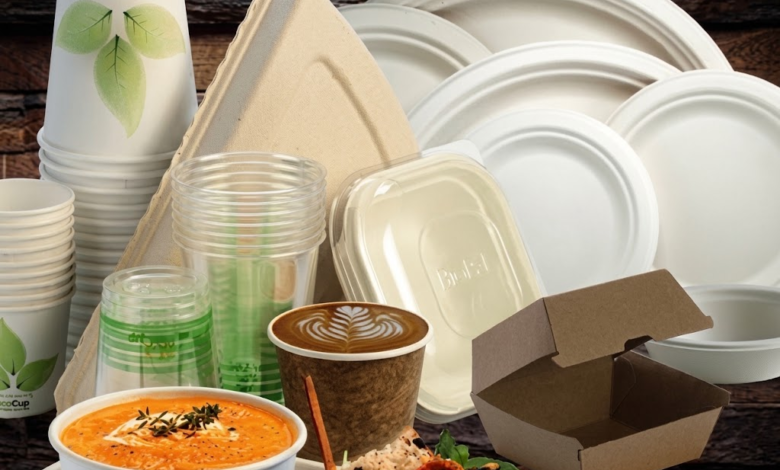
In recent years, the environmental impact of plastic waste has become a major concern worldwide. As a result, many industries are seeking more sustainable alternatives, particularly in the realm of packaging. One of the most promising options is biodegradable food packaging. This innovative solution not only reduces plastic pollution but also aligns with the growing consumer demand for eco-friendly products.
What is Biodegradable Food Packaging?
Biodegradable food packaging refers to materials specifically designed to decompose naturally through the action of microorganisms such as bacteria and fungi. Unlike traditional plastics, which can persist in the environment for hundreds of years, biodegradable alternatives break down within a shorter time frame, leaving minimal or no harmful residue.
Materials Used in Biodegradable Food Packaging
The most common materials in biodegradable food packaging include plant-based polymers such as polylactic acid (PLA), starch blends, and cellulose. These materials are derived from renewable sources like corn starch, sugarcane, and wood pulp. Their renewable origins and ability to break down efficiently make them ideal for sustainable packaging solutions.
Advantages of Biodegradable Food Packaging
One of the primary benefits of biodegradable food packaging is its ability to significantly reduce plastic pollution, particularly in marine environments. Additionally, this packaging often requires less energy during production and can decrease reliance on fossil fuels. Moreover, it enhances brand reputation as businesses showcase their commitment to sustainability while meeting consumer expectations for environmentally responsible products.
Applications in the Food Industry
The food industry extensively utilises biodegradable packaging across various sectors, including restaurants, catering services, and retail food outlets. Items such as takeaway containers, sandwich wraps, fruit and vegetable bags, and cutlery can be made from biodegradable materials. This not only reduces landfill waste but also supports a circular economy where materials are recovered and reused whenever possible.
Challenges Facing Biodegradable Packaging Adoption
Despite its benefits, the uptake of biodegradable food packaging is not without challenges. Cost remains a significant factor; biodegradable materials can be more expensive to produce and purchase compared to conventional plastics. Additionally, there is a need for appropriate waste management infrastructure to ensure proper disposal and composting. Without these facilities, biodegradable materials may not decompose as intended, negating their environmental advantages.
Regulatory Framework and Industry Standards
Governments worldwide are introducing regulations to limit single-use plastics and encourage sustainable alternatives. Standards for biodegradable packaging, such as compostability certifications, ensure that products meet specific environmental criteria. Compliance with these standards provides assurance to both consumers and businesses that the packaging performs as claimed and contributes to waste reduction targets.
Role of Businesses in Promoting Biodegradable Packaging
Businesses have a crucial role in driving the shift towards biodegradable food packaging. By choosing sustainable packaging suppliers and educating customers about the benefits, companies can influence market demand positively. Transparent communication regarding the correct disposal methods also helps maximise environmental benefits and prevents contamination of recycling streams.
Consumer Awareness and Behavioural Influence
Consumer awareness about environmental issues is increasing steadily. Many individuals now prioritise purchasing products with eco-friendly packaging. Educational campaigns and clear labelling contribute to informed decision-making, encouraging consumers to select biodegradable options. This behavioural shift reinforces the market growth of sustainable packaging solutions.
Future Trends in Biodegradable Food Packaging
Technological advancements continue to improve the performance and cost-effectiveness of biodegradable materials. Researchers are developing new bio-based polymers with enhanced barriers to moisture and oxygen, extending product shelf life. Additionally, innovations in recycling and composting processes will facilitate better end-of-life outcomes for biodegradable packaging.
Integration with Circular Economy Principles
Biodegradable food packaging aligns well with circular economy concepts, which aim to minimise waste and maximise resource efficiency. By designing packaging that can safely return to the environment or be repurposed, the food packaging sector contributes to closing material loops and reducing environmental impact throughout the product lifecycle.
Environmental Impact Assessments
Life cycle assessments (LCAs) are essential tools for evaluating the environmental impacts of biodegradable food packaging compared to traditional materials. These assessments consider factors such as energy use, greenhouse gas emissions, and water consumption. Positive LCA outcomes support the adoption of biodegradable alternatives as part of comprehensive sustainability strategies.
Global Market Growth and Opportunities
The demand for biodegradable food packaging is expanding rapidly on a global scale. Market reports indicate substantial growth driven by regulatory pressures and consumer preferences. This growth presents opportunities for manufacturers, suppliers, and retailers to capitalise on emerging trends by investing in sustainable product lines.
Case Studies and Success Stories
Several companies have successfully incorporated biodegradable food packaging into their offerings, demonstrating feasibility and consumer acceptance. These examples serve as benchmarks for best practices and inspire others to explore sustainable packaging options tailored to their specific needs and contexts.
Conclusion
Biodegradable food packaging represents a vital component of sustainable development within the food industry. Its adoption reduces environmental harm, meets regulatory requirements, and aligns with evolving consumer values. Continued innovation, supportive policies, and stakeholder collaboration are essential to maximise its potential and contribute to a greener, more sustainable future.