Radiofrequency microneedling has become one of the most requested non-surgical sk

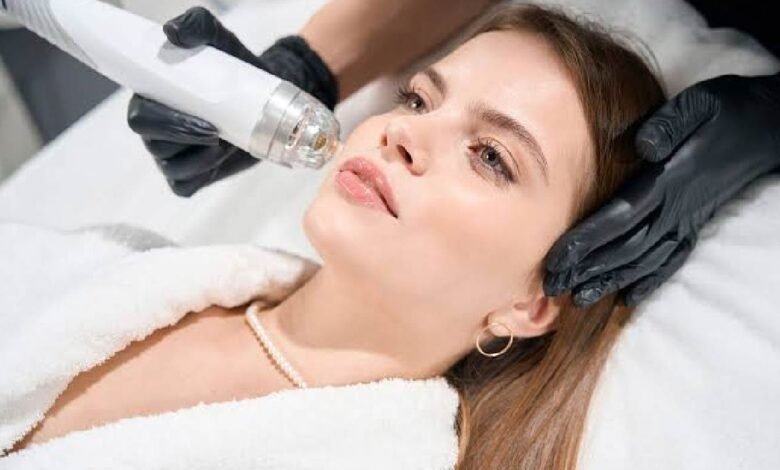
Radiofrequency microneedling has become one of the most requested non-surgical skin treatments in the UK, and the sales pitch is remarkably consistent wherever you hear it: fine needles, radiofrequency energy, new collagen, tighter skin, minimal downtime. What almost never appears in that pitch is a less convenient fact. Two clinics can advertise “RF microneedling” and be running equipment that behaves nothing alike, at different depths, with different energy delivery, and with very different safety margins.
For anyone booking a course of treatment, that gap matters more than the brand name on the door. The device is not a detail of the service. In many ways, it is the service.
What the Treatment Actually Does
Microneedling on its own is a mechanical process. Fine needles create controlled micro-injuries in the dermis, and the skin responds by rebuilding: new collagen, new elastin, a gradual thickening of the dermal layer that shows up as firmer texture and softened scarring. Radiofrequency microneedling adds a second mechanism. The needles carry energy into the dermis and release it at a chosen depth, heating tissue to somewhere in the region of 55 to 65 degrees Celsius while deliberately sparing the surface of the skin.
That combination is why the treatment can produce more visible change than needling alone, and why it can also go wrong in ways plain needling rarely does. Heat is powerful and indiscriminate. Where it is delivered, how long it stays, and how much of the skin is left untreated between injury points are all engineering decisions made by the device manufacturer, not by the person holding the handpiece.
Depth Is Only the First Variable
Most modern devices offer adjustable needle depth, typically somewhere between 0.5mm and 3.5mm, which lets a practitioner treat the thin skin around the eyes differently from the thicker skin on the cheek or jawline. Depth determines which layer of the dermis receives energy, and therefore what kind of collagen response is triggered.
Insulated needles are a second variable. On devices that use them, only the tip conducts energy, so the heat is deposited at the target depth rather than along the entire needle track. On non-insulated systems, energy can dissipate closer to the surface, which raises the risk of pigment change and surface damage, particularly on darker skin types.
Stamped, Rolled, or Fractional
Delivery method is the third. Some devices stamp the handpiece against the skin in a grid, some glide in continuous passes, and some fire in a fractional pattern that treats a percentage of the surface area in each pass while leaving the rest intact. Fractional delivery generally means faster healing, because untreated skin acts as a reservoir of healthy cells that migrate into the treated zones.
None of these choices is visible in a clinic’s marketing. All of them change what your skin goes through on the day.
Why Quotes Vary So Widely
A session priced at 150 pounds and a session priced at 600 pounds are rarely the same procedure with a different margin. The cheaper quote more often reflects a lower-cost device: fewer depth settings, non-insulated needles, a single fixed energy level, or a handpiece that treats a smaller area per pass and therefore requires more passes to cover the face. The practitioner’s time, the consumables, and the capital cost of the machine all sit inside that price.
There is also a regulatory asymmetry worth knowing. In England, energy-based skin treatments sit outside the kind of mandatory licensing scheme that applies to medicines, and proposals to license non-surgical cosmetic procedures have been consulted on but are still being developed. In practice this means the standard of the equipment and the training behind it is largely a matter of clinic choice rather than statutory minimum.
What to Ask Before You Book
Questions do more work than reviews here. A clinic that knows its equipment will answer them without hesitation, and a clinic that does not will usually change the subject.
Five questions worth asking
Ask which device they use, and then ask what depth range it offers and whether the needles are insulated. Ask how many sessions they recommend and what result they expect after each one. Ask what happens if your skin reacts badly, and who provides the follow-up. Finally, ask whether the person treating you has a registered professional background and what training they completed on that specific machine.
Answers that stay vague across all five are a signal. So is a clinic that promises a fixed outcome before it has seen your skin.
The Equipment Is the Constant
Individual results depend on skin type, age, sun history, aftercare and how consistently someone completes a course of treatment. The one factor that does not change between patients in the same clinic is the machine. That is why the most useful preparation is not choosing a clinic by price or by Instagram before-and-after, but understanding what the equipment is capable of before you compare quotes. A side-by-side look at RF microneedling machines for clinics makes the differences in depth control, needle insulation and energy delivery concrete, and it turns a confusing set of quotes into something you can actually compare.
Skin treatments reward patience and punish shortcuts. Knowing what sits behind the handpiece is the cheapest shortcut of all.