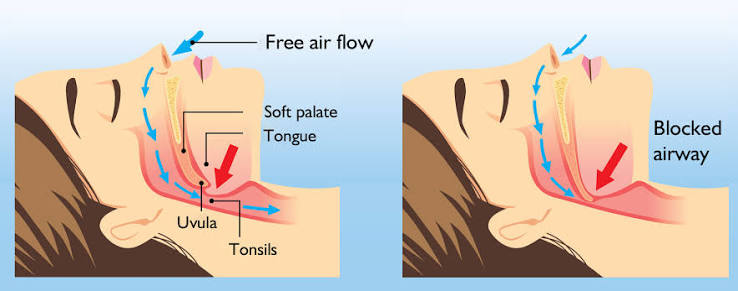
Snoring is common and affects many people, but not everyone who snores has a medical condition that requires treatment. For some individuals, snoring may simply be a result of temporary factors such as tiredness, sleeping position, nasal congestion or lifestyle habits.
However, snoring can sometimes be a sign of a more serious sleep-related breathing disorder known as obstructive sleep apnea (OSA). Unlike simple snoring, sleep apnea involves repeated interruptions in breathing during sleep, which may affect sleep quality and overall health.
This raises an important question: How many people who snore actually need treatment?
The answer depends on the cause, severity of symptoms and whether sleep apnea or another underlying condition is present. Some patients may only need lifestyle adjustments, while others may require medical treatment such as CPAP therapy, oral appliances or ENT interventions.
Is Snoring the Same as Sleep Apnea?
No. Snoring and sleep apnea are related but different conditions.
What Is Simple Snoring?
Simple snoring occurs when tissues in the upper airway vibrate during sleep as air passes through.
It may happen due to:
- Sleeping on the back
- Nasal congestion
- Alcohol consumption
- Tiredness
- Weight changes
- Age-related changes in airway tissues
People with simple snoring usually continue breathing normally throughout sleep.
While snoring may disturb a partner’s sleep, it does not always indicate a medical problem.
What Is Obstructive Sleep Apnea?
Obstructive sleep apnea occurs when the upper airway becomes partially or completely blocked during sleep.
This causes:
- Reduced airflow
- Breathing pauses
- Drops in oxygen levels
- Repeated brief awakenings
A person may not remember waking up, but these interruptions can prevent deep, restorative sleep.
Common symptoms include:
- Loud snoring
- Breathing pauses noticed by a partner
- Waking up gasping or choking
- Excessive daytime tiredness
- Morning headaches
- Poor concentration
- Unrefreshing sleep
What Percentage of Snorers Have Sleep Apnea?
There is no single percentage that applies to all people who snore because the likelihood of sleep apnea depends on factors such as age, body weight, airway structure, symptoms and medical history.
Many people snore without having sleep apnea. However, the risk increases when snoring occurs together with warning signs such as:
- Breathing pauses during sleep
- Daytime sleepiness
- High blood pressure
- Obesity
- Morning headaches
- Poor sleep quality
Research suggests that obstructive sleep apnea is common among adults, but many cases remain undiagnosed because symptoms occur during sleep and may go unnoticed.
Therefore, the important question is not only “How loudly do you snore?” but also:
- Are there breathing interruptions?
- Is sleep quality affected?
- Are there daytime symptoms?
- Are there health risk factors?
Which Snoring Patients May Need Treatment?
Not every person who snores requires medical treatment. Treatment decisions depend on whether snoring is affecting health, sleep quality or daily life.
Patients may benefit from assessment if they experience:
1. Snoring With Breathing Pauses
This is one of the strongest warning signs of possible sleep apnea.
A partner may notice:
- Silence after loud snoring
- Pauses in breathing
- Sudden gasping sounds
- Choking episodes
These symptoms suggest that breathing may be interrupted during sleep.
2. Snoring With Excessive Daytime Sleepiness
Feeling tired despite adequate sleep may indicate poor-quality sleep.
Patients may experience:
- Difficulty staying awake
- Reduced concentration
- Lower productivity
- Mood changes
- Fatigue during the day
Daytime sleepiness is especially important for people who drive or operate machinery.
3. Snoring That Happens Every Night
Occasional snoring may not be concerning. However, frequent loud snoring may require assessment, especially if it is:
- Persistent
- Increasing in severity
- Affecting sleep
- Disturbing a partner
- Associated with other symptoms
4. Snoring With Other Medical Conditions
People with certain health conditions may have a higher risk of sleep apnea.
These may include:
- High blood pressure
- Heart disease
- Stroke history
- Diabetes
- Obesity
Patients with these conditions and persistent snoring should consider discussing their symptoms with a healthcare professional.
Which Snoring Patients May Not Need Medical Treatment?
Some people snore occasionally without signs of sleep apnea or significant health impact.
Treatment may not always be necessary when:
- Snoring happens infrequently
- There are no breathing pauses
- Sleep quality is unaffected
- There is no daytime tiredness
- Symptoms are linked to temporary factors
However, if snoring changes over time or becomes more frequent, reassessment may be helpful.
Why Does It Matter If Snoring Is Actually Sleep Apnea?
The main concern with sleep apnea is that repeated breathing interruptions can affect the body beyond sleep quality.
Untreated sleep apnea may contribute to:
Poor Sleep Quality
Frequent awakenings prevent the body from achieving deep sleep.
This may lead to:
- Fatigue
- Poor concentration
- Reduced energy
Reduced Daytime Performance
Poor sleep may affect:
- Work performance
- Learning ability
- Reaction time
- Mood
Possible Health Risks
Sleep apnea has been associated with increased risk of certain health conditions, including:
- High blood pressure
- Cardiovascular problems
- Metabolic conditions
This is why identifying patients who may require treatment is important.
How Do Doctors Determine Whether Snoring Needs Treatment?
An ENT specialist or sleep doctor will usually assess several factors.
1. Medical History
The doctor may ask about:
- Snoring frequency
- Sleep quality
- Daytime symptoms
- Breathing pauses
- Lifestyle habits
- Medical conditions
2. Physical Examination
An ENT specialist may assess structures that may contribute to airway narrowing, including:
- Nose
- Nasal passages
- Tonsils
- Throat
- Airway anatomy
3. Sleep Study
A sleep study may be recommended when sleep apnea is suspected.
It can measure:
- Breathing patterns
- Oxygen levels
- Heart rate
- Sleep stages
- Number of breathing interruptions
The results help determine whether sleep apnea is present and how severe it may be.
How Is Sleep Apnea Severity Measured?
Doctors commonly use the Apnea-Hypopnea Index (AHI) to assess sleep apnea severity.
The AHI measures the number of breathing interruptions per hour of sleep.
Generally:
- Lower numbers indicate fewer breathing interruptions
- Higher numbers indicate more frequent interruptions
However, treatment decisions are not based on AHI alone.
Doctors also consider:
- Symptoms
- Daytime impact
- Health conditions
- Patient preferences
- Sleep quality
Treatment Options for Snoring and Sleep Apnea
Treatment depends on the cause and severity of symptoms.
1. Lifestyle Changes
Some patients may benefit from:
- Maintaining a healthy weight
- Sleeping on the side
- Avoiding alcohol before bedtime
- Improving sleep habits
- Managing nasal allergies
2. Treating Nasal Problems
If nasal blockage contributes to snoring, treatment may include:
- Nasal sprays
- Allergy management
- Treatment for sinus problems
- Nasal procedures in selected cases
3. CPAP Therapy
Continuous positive airway pressure (CPAP) is a common treatment for obstructive sleep apnea.
It works by delivering pressurised air through a mask to help keep the airway open during sleep.
CPAP may be recommended for patients with:
- Moderate to severe sleep apnea
- Significant symptoms
- Increased health risks
4. Oral Appliances
Some patients may benefit from oral appliances designed to reposition the jaw or tongue to improve airflow.
These may be considered for selected patients depending on:
- Severity of sleep apnea
- Jaw structure
- Treatment goals
5. ENT Procedures and Surgery
Some patients may have physical airway factors contributing to snoring or sleep apnea.
An ENT specialist may discuss procedures involving:
- Nasal structures
- Tonsils
- Palate
- Other airway areas
Surgery is usually considered based on individual anatomy and treatment needs.
When Should You See an ENT Specialist for Snoring?
Consider seeing an ENT specialist if you experience:
- Loud snoring every night
- Breathing pauses during sleep
- Waking up choking or gasping
- Excessive daytime tiredness
- Persistent nasal blockage
- Poor sleep quality
- Snoring that is worsening
- Difficulty tolerating CPAP
An ENT specialist can assess whether the problem is related to nasal obstruction, airway anatomy or sleep apnea. If you’re in Singapore, you can consult a range of doctors specialising in snoring and sleep apnea like Dr Lau Chee Chong.
Not everyone who snores requires treatment, but certain warning signs may indicate that snoring is linked to obstructive sleep apnea. Snoring combined with breathing pauses, daytime tiredness, morning headaches or poor sleep quality should not be ignored.
The percentage of snorers who need treatment varies because the cause and severity of symptoms differ between individuals. The key is identifying whether snoring is affecting breathing, sleep quality or overall health.
An ENT specialist can assess the underlying cause of snoring, determine whether sleep apnea is present and recommend appropriate treatment options based on each patient’s needs.
This article is for general information only and should not replace medical advice from a qualified healthcare professional.