The eyes are one of the most noticeable features of the face, and changes around the eyelids can significantly influence overall facial appearance. Over time, factors such as ageing, genetics and lifestyle may contribute to changes including drooping eyelids, excess skin, under-eye bags and a tired-looking appearance.
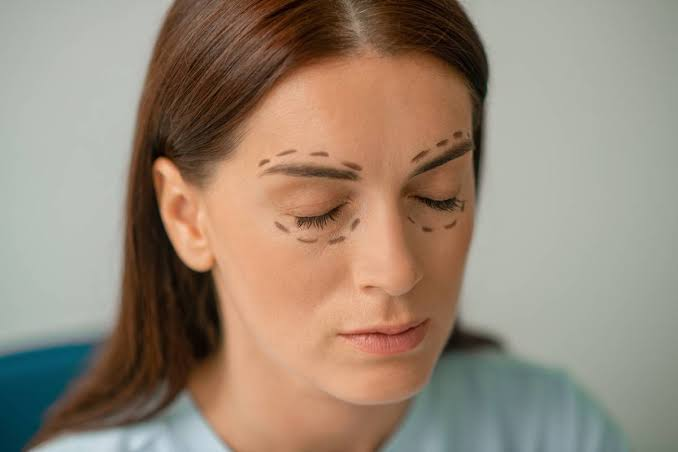
Eyelid surgery, also known as blepharoplasty, is a procedure that aims to improve the appearance and, in some cases, function of the eyelids by addressing concerns involving excess skin, fat or tissue around the eyes.
While some patients consider eyelid surgery for cosmetic reasons, others may seek treatment because eyelid changes affect their vision or daily comfort.
What Is Eyelid Surgery?
Eyelid surgery, or blepharoplasty, is a procedure that focuses on improving concerns affecting the upper and/or lower eyelids.
Depending on the patient’s needs, the procedure may involve:
Upper Eyelid Surgery
Upper eyelid surgery may address:
- Excess skin on the upper eyelids
- Heavy-looking eyelids
- Drooping eyelid appearance
- Changes caused by ageing
Lower Eyelid Surgery
Lower eyelid surgery may address:
- Under-eye bags
- Puffiness beneath the eyes
- Excess lower eyelid skin
- Changes in the lower eyelid contour
Some patients may benefit from treating the upper eyelids, lower eyelids or both areas depending on their anatomy and concerns.
Why Do Patients Consider Eyelid Surgery?
The reasons for considering eyelid surgery vary from person to person. Some patients are looking to refresh their appearance, while others may have functional concerns related to excess eyelid tissue.
Common reasons include:
1. Excess Upper Eyelid Skin
One of the most common reasons patients consider upper eyelid surgery is excess skin that develops over time.
As skin elasticity decreases with age, the upper eyelid skin may become:
- Loose
- Folded
- Heavier in appearance
This may contribute to a tired or aged appearance.
For some individuals, excess upper eyelid skin may also extend over the natural eyelid crease, affecting the way makeup is applied or changing the overall eye shape.
2. Droopy or Heavy-Looking Eyelids
Some patients feel that their eyes appear smaller, tired or less open due to changes in the upper eyelids.
This may occur because of:
- Age-related tissue changes
- Genetics
- Reduced skin elasticity
- Changes in eyelid muscles
Eyelid surgery may be considered to improve the appearance of droopy eyelids by removing or adjusting excess tissue.
However, it is important to distinguish between:
- Excess eyelid skin
- True eyelid drooping caused by muscle weakness (ptosis)
These conditions may require different approaches, so proper assessment is important.
3. Under-Eye Bags and Puffiness
Lower eyelid concerns are another common reason patients explore eyelid surgery.
Under-eye bags may develop due to:
- Changes in fat position around the eyes
- Skin laxity
- Ageing-related tissue changes
- Genetics
Some people may notice that under-eye bags make them appear:
- Tired
- Older
- Less refreshed
Lower eyelid surgery may help address excess fat or skin contributing to under-eye fullness.
4. Tired-Looking Appearance
Many patients consider eyelid surgery because their appearance does not reflect how they feel.
For example, some individuals may feel energetic but appear:
- Fatigued
- Sleep-deprived
- Older than their actual age
Changes around the eyelids can influence facial expression and overall appearance.
Eyelid surgery may help create a more refreshed appearance by addressing specific structural changes around the eyes.
5. Age-Related Changes Around the Eyes
The skin around the eyes is thinner and more delicate compared with other areas of the face, making it one of the areas where ageing changes may become noticeable earlier.
Common changes include:
- Fine lines
- Skin laxity
- Eyelid heaviness
- Under-eye volume changes
While ageing cannot be stopped, eyelid surgery may be considered by patients who wish to address certain age-related eyelid concerns.
6. Improving Facial Balance
The eyelids contribute to overall facial harmony.
Some patients consider eyelid surgery because they feel their eyes do not match the rest of their facial features.
Concerns may include:
- Uneven eyelid appearance
- Excess skin affecting eye shape
- Changes that make the eyes appear less defined
A plastic surgeon will assess facial proportions and eyelid anatomy when determining the most suitable approach.
7. Eyelid Asymmetry
Many people naturally have some degree of asymmetry between their two eyelids.
However, some patients may notice more noticeable differences due to:
- Ageing changes
- Previous injuries
- Differences in eyelid structure
- Muscle function changes
Eyelid surgery may be considered in selected cases to improve balance between both sides.
8. Functional Concerns Affecting Vision
While many patients consider eyelid surgery for appearance-related reasons, some undergo the procedure due to functional concerns.
Excess upper eyelid skin may sometimes affect the upper field of vision.
Patients may notice:
- Difficulty seeing objects above or to the side
- Needing to raise the eyebrows to see better
- Eye fatigue during reading or screen use
In these situations, eyelid surgery may be considered to improve eyelid function.
A proper assessment is needed to determine whether the eyelid changes are contributing to vision concerns.
9. Difficulty Applying Makeup
Some patients consider eyelid surgery because changes in the eyelids affect how makeup sits or appears.
Examples include:
- Eyelid folds becoming less defined
- Excess skin covering the eyelid area
- Changes in eyelid shape
While makeup concerns alone may not require surgery, they can be part of a patient’s overall motivation.
10. Genetic Eyelid Features
Not all eyelid concerns are related to ageing.
Some individuals naturally have:
- Heavier eyelids
- More prominent eyelid folds
- Under-eye fullness
- Specific eyelid shapes
Patients may consider eyelid surgery to address features they have had for many years.
Who May Be Suitable for Eyelid Surgery?
A suitable candidate for eyelid surgery may include someone who:
- Has specific eyelid concerns they wish to address
- Is generally healthy
- Has realistic expectations
- Understands the limitations of the procedure
- Is prepared for recovery
During consultation, a plastic surgeon will assess:
- Eyelid structure
- Skin quality
- Muscle function
- Eye health
- Facial proportions
- Medical history
What Eyelid Surgery Can and Cannot Do
Understanding realistic outcomes is important before considering surgery.
Eyelid Surgery May Help With:
- Excess eyelid skin
- Under-eye bags
- Eyelid heaviness
- Certain functional concerns
- Age-related eyelid changes
Eyelid Surgery Does Not:
- Stop the ageing process
- Completely remove all wrinkles around the eyes
- Change every aspect of facial appearance
- Replace treatments for other eye conditions
A consultation helps determine what improvements may realistically be achieved.
Eyelid Surgery vs Other Eye Rejuvenation Treatments
Not every patient requires surgery.
Depending on the concern, alternatives may include:
- Skincare treatments
- Non-surgical aesthetic procedures
- Lifestyle adjustments
- Other facial rejuvenation options
However, non-surgical treatments may not address concerns caused by significant excess skin or structural changes.
What Happens During an Eyelid Surgery Consultation?
During consultation, the plastic surgeon may discuss:
Patient Goals
The surgeon will understand:
- What concerns you most
- What changes you hope to achieve
- Whether your expectations are realistic
Eyelid Assessment
The surgeon may examine:
- Skin excess
- Fat distribution
- Eyelid position
- Muscle function
- Eye symmetry
Treatment Recommendation
The recommended approach may involve:
- Upper eyelid surgery
- Lower eyelid surgery
- A combination of procedures
- Non-surgical options
Recovery After Eyelid Surgery
Recovery varies between individuals, but patients may experience:
- Swelling
- Bruising
- Tightness
- Mild discomfort
- Temporary dryness or irritation
During recovery, patients may need to:
- Follow aftercare instructions
- Avoid strenuous activities temporarily
- Attend follow-up appointments
- Protect the eye area as advised
Most swelling improves gradually, although final results may take time as tissues continue healing.
Choosing a Plastic Surgeon for Eyelid Surgery
When considering eyelid surgery, patients should evaluate:
- Surgeon qualifications
- Experience with eyelid procedures
- Understanding of facial anatomy
- Communication style
- Approach to patient safety
A detailed consultation allows patients to understand the procedure, expected outcomes and potential risks before making a decision.
Considering Eyelid Surgery in Singapore
Patients interested in blepharoplasty may wish to consult several plastic surgery clinics in Singapore to better understand their options and determine which approach is most suitable for their concerns. Clinics such as Astrid Plastic Surgery, headed by Dr Jonah Kua and Dr Chia Hui Ling, are among the practices patients may consider when seeking a professional assessment for eyelid-related procedures.
Patients consider eyelid surgery for many reasons, including excess skin, droopy eyelids, under-eye bags, ageing changes and functional concerns affecting vision.
While blepharoplasty can help improve specific eyelid concerns, suitability depends on individual anatomy, goals and overall health. A consultation with a qualified plastic surgeon can help patients understand whether eyelid surgery is appropriate and what outcomes they can realistically expect.
Taking time to understand the procedure, recovery process and available options can help patients make informed decisions about their eyelid surgery journey.
This article is for general information only and should not replace medical advice from a qualified healthcare professional.