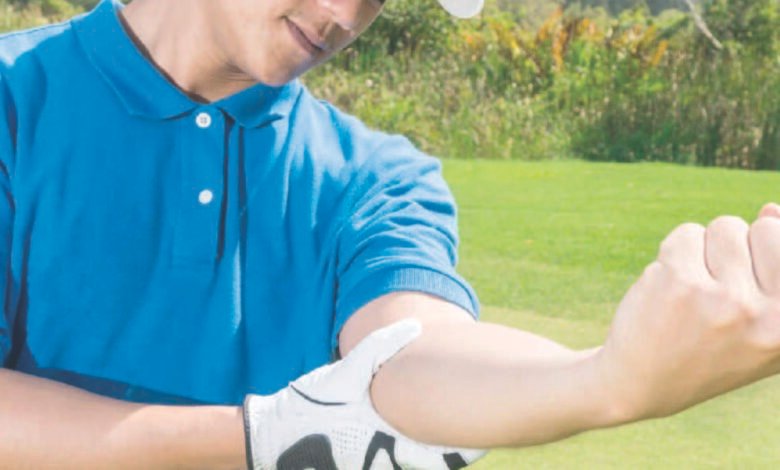
Have you noticed pain or stiffness on the inside of your elbow that worsens when you grip objects or swing a golf club? You may be experiencing golfer’s elbow, a condition that affects not just golfers but anyone who performs repetitive arm movements. This injury occurs when the tendons on the inside of the elbow become inflamed or damaged, leading to discomfort that can range from mild to severe. Understanding what causes golfer’s elbow and knowing the available treatment options can help you manage the condition effectively and return to your normal activities.
1. Understanding Golfer’s Elbow
Golfer’s elbow, medically known as medial epicondylitis, is an overuse injury that develops on the inner side of the elbow. The condition results from repetitive stress placed on the tendons that connect the forearm muscles to the bone on the inside of the elbow. When these tendons are overused without adequate rest, small tears can form, causing inflammation and pain. The injury gets its name from the golf swing, which places significant strain on the inner elbow as players rotate and snap their wrists during the downswing. Golfer’s elbow is not exclusive to golfers; it can affect baseball players, weightlifters, carpenters, and anyone who performs repetitive gripping or flexing motions.
The pain associated with golfer’s elbow typically develops gradually rather than occurring suddenly. Most people first notice discomfort when performing activities that require gripping strength or repeated flexing of the wrist and fingers. The inside of the elbow may feel tender to the touch, and weakness when gripping objects or performing fine motor tasks is common. Some individuals also report stiffness in the elbow, particularly after periods of rest or first thing in the morning. Symptom severity can vary significantly depending on the extent of tendon damage and how the individual responds to treatment.
2. Common Causes and Risk Factors
Repetitive activities that involve gripping, flexing, or rotating the forearm are the primary causes of golfer’s elbow. Activities such as throwing a baseball, playing tennis with improper technique, or spending long periods typing can all contribute to the development of this condition. Occupations that require constant gripping, such as carpentry, plumbing, or factory work, increase the risk of medial epicondylitis. Poor technique in sports or exercise is another significant factor, since using incorrect form when throwing or swinging places excessive stress on the tendons. Age also plays a role, as the risk increases in people over 40, when tendons become less flexible and more prone to injury.
Muscle weakness and tightness in the forearm and upper arm can also predispose someone to golfer’s elbow. When the muscles supporting the elbow are weak or inflexible, the tendons must work harder to stabilize the joint during movement, increasing the likelihood of strain. Sudden increases in activity level without proper conditioning can also trigger the condition, as seen when someone rapidly intensifies training or takes up a new sport without gradually building strength. Previous injuries to the elbow or surrounding muscles can make the area more vulnerable to developing the condition in the future.
3. Diagnosis and When to Seek Medical Attention
A healthcare provider can diagnose golfer’s elbow through a physical examination and medical history review. During the examination, your doctor will ask about your symptoms, including when the pain started and what activities make it worse. They may perform specific tests, such as the wrist flexion test, where you flex your wrist against resistance to determine whether it reproduces your pain. In some cases, imaging studies like X-rays or MRI scans may be ordered to rule out other conditions or assess the extent of tendon damage. Most people can be diagnosed based on symptoms and a physical examination alone without needing advanced imaging.
Seek medical attention if elbow pain does not improve with rest and self-care after a few weeks, or if the pain is severe enough to limit daily activities. If swelling or redness accompanies the pain, schedule an appointment promptly rather than waiting for symptoms to resolve on their own. Early intervention typically leads to better outcomes and faster recovery. A healthcare provider can also rule out other conditions with similar symptoms. Untreated golfer’s elbow can become chronic and increasingly difficult to manage, making timely diagnosis a priority.
4. Treatment Options and Recovery Strategies
The majority of golfer’s elbow cases respond well to conservative treatment approaches that focus on reducing inflammation and allowing the tendons to heal. Rest is one of the most important components. Avoiding or modifying activities that aggravate symptoms gives the tendons time to repair. Applying ice to the affected area for 15 to 20 minutes several times a day can help reduce pain and swelling, particularly in the early stages. Over-the-counter nonsteroidal anti-inflammatory medications, such as ibuprofen or naproxen, can help manage pain and inflammation when used as directed and not as a long-term solution.
Bracing just below the elbow can distribute stress away from the injured tendons, supporting recovery during daily activities. Stretching and strengthening exercises are central to full recovery and should be performed consistently under professional guidance. For individuals working to regain grip strength and restore full range of motion after tendon damage, intensive physical therapy for golfer’s elbow provides structured rehabilitation programs that guide patients through progressive exercise protocols safely. For more severe cases that do not respond to conservative treatment after several months, a healthcare provider may recommend corticosteroid injections to reduce inflammation. Surgery is considered only in rare cases where symptoms persist for a year or longer despite appropriate conservative care.
Conclusion
Golfer’s elbow is a manageable condition that responds well to appropriate treatment when addressed early. By understanding the causes, recognizing the symptoms, and seeking timely medical attention, you can effectively manage the condition and prevent it from becoming chronic. Conservative approaches, including rest, ice application, anti-inflammatory medications, physical therapy, and proper bracing, resolve most cases without the need for surgery. Preventing golfer’s elbow involves using proper technique in sports and occupational activities, maintaining forearm strength and flexibility, and increasing activity levels gradually. Consulting a healthcare provider for a proper diagnosis and personalized treatment plan remains the most reliable path to recovery.