AI-Generated Supplement Packaging with the GPT Image 2.5 API: What Supplement Brands Should Check Before Publishing

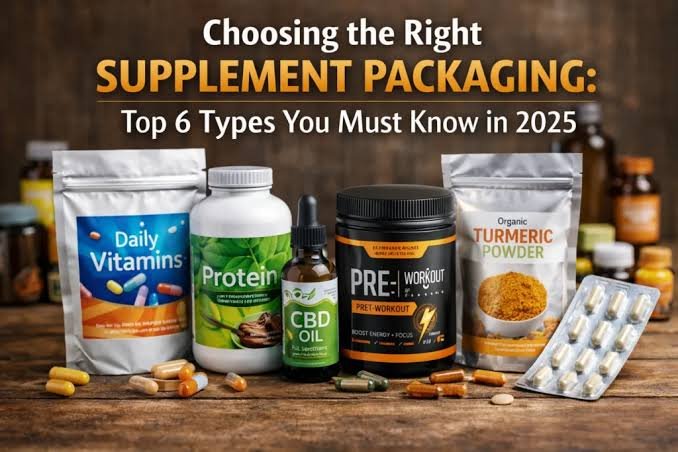
Launching a new dietary supplement SKU on Shopify usually involves an uncomfortable trade-off between time and visual fidelity. Physical bottle photography requires finished production runs, sample shipping, studio lighting setups, and weeks of scheduling. When samples arrive with slightly misaligned shrink sleeves, skewed labels, or specular glare obscuring the active ingredient callouts, the entire marketing timeline stalls. Deploying the gpt image 2.5 api circumvents these physical bottlenecks, whereas traditional 3D CAD rendering can solve physical scheduling issues only through steep agency fees that chew into early margins.
The alternative is no longer theoretical experimentation. High-throughput ecommerce operations now use the gpt image 2.5 api to generate catalog-ready packaging mockups, lifestyle vignettes, and collection cards in minutes. However, visual automation introduces operational risks that do not exist in traditional commercial photography. In the dietary supplement sector, an aesthetic glitch is not merely an artistic flaw; an illegible dosage statement, a warped tamper-evident band, or a hallucinated certification badge can erode consumer trust and trigger regulatory scrutiny.
Building a dependable production pipeline with the gpt image 2.5 api means treating image generation as a rigorous manufacturing process rather than an open-ended artistic exercise. The real value of synthetic packaging produced through the gpt image 2.5 api is not producing generic, hyper-polished imagery; it is establishing a repeatable verification loop that preserves brand consistency and physical plausibility across every digital touchpoint.
Establish Production Acceptance Criteria for GPT Image 2.5 API Packaging Renders
Before sending automated rendering jobs to the gpt image 2.5 api, ecommerce teams must define what constitutes a publishable packaging visual. Supplement consumers examine product pages with far greater scrutiny than shoppers browsing apparel or home goods. They zoom in to verify ingredient potencies, examine safety seals, and confirm that the container matches what will eventually arrive on their doorstep. If your acceptance criteria for the gpt image 2.5 api are vague, your pipeline will generate hundreds of compelling images that fail basic commerce standards.
A production-grade acceptance policy for supplement visuals generated via the gpt image 2.5 api splits into physical container realism and communicative typography. Cylinder curvature must bend highlights naturally across cylindrical amber glass, white HDPE plastic, or matte aluminum containers rendered by the gpt image 2.5 api. Screw caps, dropper pipettes, and induction seal lines must display correct mechanical proportions rather than blurred approximations. On the informational side, the primary display panel must maintain crisp separation between brand marks, product titles, net quantity counts, and structure-function claims.
When scaling automated image operations through Defapi, engineering and creative teams can integrate the gpt image 2.5 api to render high-resolution product listings and contextual lifestyle scenes from structured inputs. To prevent unusable outputs from entering your media library, evaluate every candidate image against explicit thresholds:
| Visual Evaluation Pillar | Production Standard | Immediate Rejection Trigger |
| Container Geometry | Exact aspect ratio, true-to-life cap threading, authentic base thickness | Asymmetrical bottle shoulders, floating caps, melting dropper bulbs |
| Surface & Material | Calibrated translucency for liquids, correct matte/gloss finish on labels | Plastic sheen on dark glass, uneven reflections distorting front text |
| Text & Hierarchy | High-contrast brand typography, readable milligram dosages and capsule counts | Hallucinated letters, warped ingredient lines, phantom certification seals |
| Environmental Logic | Directional lighting matches cast shadow, realistic surface contact | Floating bottles, mismatched reflections, inconsistent perspective angles |
Establishing these gates upfront eliminates endless subjective debates between marketing leads and design teams running the gpt image 2.5 api. An asset either satisfies the acceptance criteria or gets sent back through the refinement cycle.
Prepare Clean Reference Assets and Structural Prompts for Batch Ingestion
When utilizing the gpt image 2.5 api, neural image generation is only as stable as the structural data provided at ingestion. Feeding raw, unstructured marketing copy into a prompt field inevitably yields generic supplement bottles that fail to match your actual packaging die lines. To achieve predictable output from the gpt image 2.5 api, supplement brands must decouple visual geometry from artistic styling.
Begin by organizing your canonical brand assets before sending requests to the gpt image 2.5 api. High-resolution 2D label flats, exact pantone color codes, cap specifications, and dimensional ratios form the foundation of reproducible mockups. Modern generative pipelines powered by the gpt image 2.5 api allow multi-reference conditioning with up to 16 reference images, provided files remain within standard formats like PNG, JPEG, or WEBP under 50MB. Providing flat label artwork alongside blank container profiles grounds the neural network in physical reality, preventing it from inventing imaginary container contours.
Effective prompt architecture for supplement containers follows a strict hierarchical schema:
[Container Specification] + [Label Placement & Reference Locking] + [Lighting & Environment] + [Negative Constraints]
For an adaptogenic nootropic capsule SKU, a production prompt should specify:
A commercial studio photograph of a 250ml cylindrical amber glass supplement bottle with a matte black phenolic screw cap, positioned centered on a clean textured travertine pedestal. Front-facing orientation displaying clean white typography with the exact label alignment from reference image 1. Neutral 5000K commercial diffuse lighting, soft 45-degree key light, crisp rim highlight along the glass shoulder, subtle ground reflection. Background is solid off-white studio cyc.
Routing these standardized prompt templates through Defapi into the gpt image 2.5 api allows ecommerce managers to programmatically swap SKU attributes—such as changing an amber bottle to a frosted dropper vial or updating capsule counts—without rewriting the core composition parameters. Separating structural constants from variable attributes ensures brand consistency across your entire product line.
Manage Iterative Generation and Precision Refinement Cycles
A frequent operational mistake is treating generation as a single-turn lotter: running one prompt and hoping for a flawless final image. Professional production pipelines rely on deliberate, staged iteration. The gpt image 2.5 api architecture addresses this by separating operational speeds and precision tiers through dedicated endpoints.
For initial composition testing, lighting exploration, and background framing, pipelines utilizing the gpt image 2.5 api should leverage gpt-image-2.5-flare. This default mode operates with significantly reduced latency—often two to four times faster than previous generation models—allowing creative teams to explore dozens of angle variations, prop arrangements, and shadow depths at minimal token expense. Flare quickly verifies whether an ashwagandha bottle looks balanced next to raw botanical ingredients or sitting on a minimalist kitchen countertop.
Once the framing and lighting direction are locked, production moves to gpt-image-2.5-sunburst paired with quality: “high” or quality: “xhigh” for final asset rendering. Sunburst provides the fine-grained architectural control required to preserve micro-text, render intricate foil stamping, and maintain container fidelity across multi-turn edits.
Input Stage (Flare) -> Angle & Composition Selection -> Quality Upgrade (Sunburst) -> Masked Inpainting -> Final Asset
When an otherwise perfect render features a minor defect—such as an uneven cap reflection or a slight distortion on a secondary badge—do not re-render the entire scene from scratch. Complete regeneration risks altering the camera angle, surface reflections, or shadow contours that were already approved. Instead, apply targeted mask editing available in the gpt image 2.5 api. Supplying an alpha-channel mask over the flawed region enables localized inpainting, instructing the gpt image 2.5 api to refine only the designated pixels while preserving the surrounding composition. Multi-turn consistency guarantees that packaging colors, lighting temperature, and bottle proportions remain stable throughout subsequent modifications.
Execute the Pre-Publishing Audit Across Shopify Storefront Touchpoints
The final milestone in the workflow is a systematic technical and visual audit of gpt image 2.5 api outputs tailored specifically to Shopify storefront performance. Generating a compelling visual on a high-end designer monitor does not guarantee that it will render effectively across responsive mobile themes or satisfy international marketplace standards.
Execute your pre-publishing checklist across three dedicated evaluation touchpoints:
1. Storefront Theme Zoom and Responsive Scaling
Shopify themes such as Dawn, Prestige, or Impulse rely heavily on high-resolution image zoom (typically 2x or 3x magnification) on desktop product detail pages (PDPs). A 1024×1024 square image rendered by the gpt image 2.5 api may appear sharp in a small catalog grid, but expanding it under native zoom can reveal telltale synthetic artifacts, jagged text edges, or unnatural pixel smoothing. Ensure all primary hero images are rendered or upscaled to at least 2048×2048 pixels. Keep dimensions aligned with standard multiples of 16, well within the model’s 3840-pixel maximum edge limit, and export in modern WEBP or compressed PNG formats to balance visual clarity with core web vitals.
2. Label Accuracy and Regulatory Plausibility
Review every visible text element against your physical product packaging records. Check that product titles, active ingredient milligram callouts, net weights, and capsule counts match your Shopify variant descriptions exactly. Verify that decorative illustrations—such as elderberries, turmeric roots, or mushroom caps—do not overpower the primary brand panel or imply unapproved medical treatments. If secondary packaging, such as outer carton boxes, appears beside the bottle, confirm that both items display identical typography and branding.
3. Provenance and Metadata Integrity
Synthetic media pipelines must maintain strict data transparency. Renders originating from the gpt image 2.5 api incorporate C2PA metadata standards and invisible digital watermarks indicating their synthetic origin. Ensure that downstream image optimization scripts, automated background removal apps, or custom content delivery network (CDN) transforms in your Shopify stack do not inadvertently strip critical cryptographic headers or introduce compression banding into clean studio gradients.
By structuring generation through Defapi with the gpt image 2.5 api and enforcing rigid verification criteria at every production stage, supplement brands can eliminate traditional photography bottlenecks. The outcome is a scalable visual engine driven by the gpt image 2.5 api that delivers photorealistic, compliant, and high-converting storefront packaging assets on demand.