If your muscles feel tight after a workout, run, or long day at your desk, you may turn to either foam rolling or stretching for relief. While both are commonly used as part of mobility and recovery routines, they work in different ways.
Stretching focuses on lengthening muscles and improving flexibility, while foam rolling uses pressure and movement to work on areas of muscle tightness and surrounding soft tissue.
So, should you stretch or foam roll? The answer depends on your goal, the type of activity you’re doing, and how your body feels.
In many cases, you don’t have to choose between them. Foam rolling and stretching can complement each other as part of a well-rounded mobility and recovery routine.
What Is Foam Rolling?
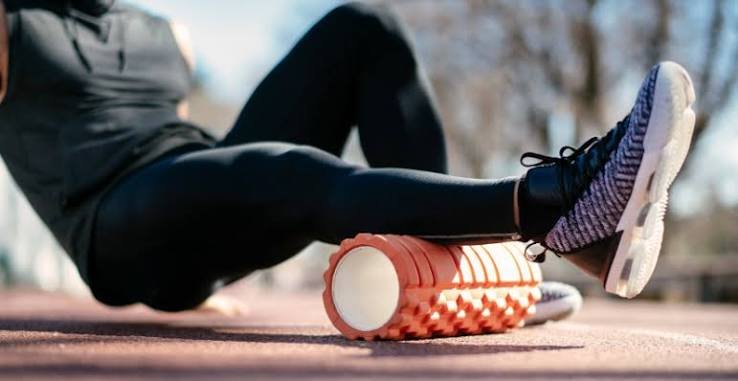
Foam rolling is a form of self-massage that involves using a cylindrical foam roller to apply pressure to different areas of the body.
You typically place the foam roller underneath or against a muscle and slowly move your body over it. This creates pressure against the tissues while allowing you to control the intensity by changing your position.
Foam rollers are commonly used on areas such as:
- Quadriceps
- Hamstrings
- Calves
- Glutes
- Upper back
- Lats
- Hips
A foam roller can be particularly useful when you want to work across a larger muscle area rather than focusing on a single point.
What Are the Benefits of Foam Rolling?
Foam rolling is commonly incorporated into warm-ups, cool-downs, mobility sessions, and recovery routines.
Potential benefits include:
- Helping reduce the sensation of muscle tightness
- Supporting short-term improvements in range of motion
- Providing a convenient form of self-massage
- Helping you prepare your body for movement
- Making recovery routines easier to perform at home or at the gym
It’s important to remember that foam rolling isn’t a replacement for medical treatment or a solution for an underlying injury.
What Is Stretching?
Stretching involves deliberately moving a muscle or joint through a range of motion to create a stretch.
There are several types of stretching, but two of the most common are dynamic stretching and static stretching.
Dynamic Stretching
Dynamic stretching involves controlled movement through a range of motion.
Examples include:
- Leg swings
- Walking lunges
- Arm circles
- Hip rotations
Dynamic movements are commonly used before exercise because they help prepare the body for the movements involved in the activity.
Static Stretching
Static stretching involves moving into a stretch and holding the position for a period of time.
Examples include:
- Standing hamstring stretches
- Calf stretches
- Quadriceps stretches
- Seated hip stretches
Static stretching is often incorporated into cool-down or flexibility routines.
Foam Rolling vs Stretching: What’s the Difference?
Although both techniques can be part of a mobility routine, they have different purposes.
| Feature | Foam Rolling | Stretching |
| Main approach | Applies pressure to tissues | Lengthens muscles through movement or held positions |
| Primary focus | Muscle tightness and soft-tissue work | Flexibility and range of motion |
| Equipment | Usually requires a foam roller | Usually requires no equipment |
| Dynamic movement | Usually slow rolling movement | Can be dynamic or static |
| Targeting | Can cover larger muscle areas | Targets specific muscles or movement patterns |
| Convenience | Easy to use at home or gym | Can be performed almost anywhere |
Foam Rolling vs Stretching: Which Should You Do First?
There isn’t one sequence that works for everyone, but your goal can help determine how you structure your routine.
Before a Workout
Before exercise, many people prefer dynamic movements to prepare the body for activity.
Foam rolling can also be included before training if you find it useful for temporarily reducing the feeling of tightness or improving how a movement feels.
A simple pre-workout routine could include:
- Light movement to increase body temperature
- Gentle foam rolling
- Dynamic mobility exercises
- Activity-specific warm-up sets
Avoid turning your pre-workout routine into an intense, prolonged stretching or foam-rolling session.
After a Workout
After training, you can combine foam rolling with gentle stretching depending on how your body feels.
For example:
- Finish your workout.
- Spend a few minutes gently foam rolling major muscle groups.
- Follow with comfortable static stretches.
- Finish with normal movement and hydration.
The goal isn’t to aggressively “break up” your muscles. Instead, use a comfortable amount of pressure and avoid rolling directly over painful areas.
Is Foam Rolling Better Than Stretching?
Foam rolling isn’t necessarily better than stretching, and stretching isn’t necessarily better than foam rolling.
They serve different purposes.
Foam rolling may be useful when you want to apply pressure to areas that feel tight or incorporate self-massage into your routine.
Stretching may be more appropriate when your goal is to work on flexibility and range of motion.
For many people, combining both techniques can make sense.
Can You Foam Roll and Stretch on the Same Day?
Yes. Foam rolling and stretching can easily be included in the same workout or recovery routine.
For example, if your legs feel tight after running, you could use a foam roller on your calves, quadriceps, hamstrings, and glutes before performing gentle stretches.
You don’t need to spend a long time doing either activity. Consistency and using an appropriate level of intensity are generally more practical than trying to make every session extremely intense.
How to Use a Foam Roller
If you’re new to foam rolling, start with a few basic principles.
1. Move Slowly
Slow, controlled movements allow you to identify areas that feel tighter without rushing over them.
2. Control the Pressure
You can adjust the amount of pressure by changing how much body weight you place on the roller.
If the pressure feels excessively painful, reduce the load or stop.
3. Focus on Muscles
Use the roller on muscle areas rather than directly rolling over joints or bones.
4. Don’t Chase Pain
More pressure doesn’t automatically mean a better result. Foam rolling should generally feel manageable rather than unbearable.
5. Keep Your Movements Controlled
Avoid quickly bouncing or rolling back and forth over an area. Controlled movement makes it easier to manage pressure and technique.
Using the RAD Foam Roller in Your Recovery Routine
The RAD Foam Roller can be incorporated into a mobility or recovery routine when you want a convenient way to work across larger muscle groups.
You can use a RAD foam roller to work through areas such as the:
- Quadriceps
- Hamstrings
- Calves
- Glutes
- Upper back
For example, after a lower-body workout, you could spend a few minutes gently rolling your quadriceps and hamstrings before moving into comfortable stretches.
The key is to use the roller as part of a broader mobility routine rather than treating foam rolling as a replacement for stretching, strength training, or appropriate medical care.
Foam Rolling vs Stretching for Runners
Runners often incorporate both techniques into their routines.
Foam rolling can be useful for working through areas that feel tight after running, such as the calves, quadriceps, hamstrings, and glutes.
Dynamic stretching can be incorporated into a pre-run warm-up, while comfortable static stretching may be included after training or during a separate flexibility session.
A simple routine could look like:
Before running:
Dynamic movements → easy jogging → running
After running:
Easy cool-down → foam rolling → gentle stretching
The exact routine can vary depending on your training, mobility, and how your body feels.
Foam Rolling vs Stretching for Muscle Recovery
Both foam rolling and stretching can play a role in a recovery routine, but they shouldn’t be viewed as interchangeable.
Foam rolling provides an external pressure stimulus that you control with your body position.
Stretching involves actively moving a muscle or joint into a lengthened position.
Using both can give you different ways to address muscle tightness and mobility.
For example, you might use a RAD Foam Roller to work across your quadriceps and then perform a standing quadriceps stretch.
Common Mistakes to Avoid
Foam Rolling Too Aggressively
Foam rolling shouldn’t be a competition to see how much pain you can tolerate. Excessive pressure can leave you feeling more uncomfortable afterward.
Holding Your Breath
Try to breathe normally while rolling. Holding your breath can make it harder to relax during the movement.
Stretching Only When You’re Tight
Flexibility and mobility work can be incorporated into your regular routine rather than only being used when you feel stiff.
Ignoring Pain
Normal muscle discomfort is different from sharp, severe, or unusual pain. Stop an exercise if it causes concerning pain and seek professional advice when appropriate.
Should You Foam Roll or Stretch?
The answer depends on what you want from your routine.
Choose foam rolling when you want:
- A self-massage technique
- To work across larger muscle groups
- A convenient recovery tool
- To temporarily reduce the sensation of muscle tightness
Choose stretching when you want:
- To work on flexibility
- To practice controlled range-of-motion movements
- A no-equipment mobility option
- To incorporate dynamic or static movements into your routine
And you can use both when you want a more comprehensive approach to mobility and recovery.
The Bottom Line
Foam rolling and stretching aren’t competing techniques. They serve different purposes and can work well together.
Foam rolling uses controlled pressure to work across muscles and can be a convenient form of self-massage. Stretching focuses on moving muscles and joints through a range of motion and can help you work on flexibility.
A foam roller such as the RAD Foam Roller can be a useful addition to a home, gym, or post-workout routine, while stretching requires little or no equipment.
Instead of asking whether foam rolling or stretching is better, consider what your body needs and what you’re trying to achieve. For many active people, a combination of foam rolling, stretching, mobility work, and regular movement can be a practical approach to maintaining an active routine.
Frequently Asked Questions
Is foam rolling the same as stretching?
No. Foam rolling uses pressure and movement to work on muscles and surrounding soft tissue, while stretching involves moving a muscle or joint into a lengthened position.
Should I foam roll before or after stretching?
It depends on your routine and goal. Some people prefer foam rolling before stretching, while others use it afterward. You can experiment with both approaches and see which feels most comfortable and useful for you.
Can foam rolling improve flexibility?
Foam rolling may provide short-term improvements in range of motion, which can make certain movements feel easier. It doesn’t replace a consistent flexibility program.
Can I foam roll every day?
Many people use foam rolling regularly, but intensity and individual circumstances matter. Gentle rolling may be more appropriate for frequent use than aggressive pressure. Avoid rolling directly over injuries or areas that cause significant pain.
Is a foam roller better than stretching for tight muscles?
They work differently. Foam rolling can be used to apply pressure to an area that feels tight, while stretching works through a lengthened range of motion. Depending on your goals, either or both may be appropriate.
Which RAD Foam Roller should I use?
The right RAD roller depends on the type of self-massage and mobility work you want to perform, your preferred pressure, and the areas of your body you want to target. Start with comfortable pressure and gradually adjust your technique as needed.