Lymphatic drainage is an essential therapeutic technique aimed at promoting the natural drainage of the lymph, which carries waste products away from the tissues and back towards the heart. Mastering this technique requires comprehensive lymphatic drainage training courses that provide both theoretical knowledge and practical skills. Moving Lymph PTY LTD offers specialised lymphatic drainage training courses designed to equip practitioners with the expertise needed to enhance health and wellness through effective lymphatic manipulation.
Understanding the Lymphatic System
The lymphatic system is a critical component of the circulatory and immune systems, responsible for maintaining fluid balance, absorbing dietary fats, and providing defence against infections. It consists of lymphatic vessels, lymph nodes, and lymphoid organs that collectively facilitate the transport of lymph throughout the body. Without proper lymph flow, toxins and excess fluids can accumulate, contributing to swelling, infections, and chronic inflammation. Training in lymphatic drainage offers a deep understanding of this system and how to effectively support its function.
Principles of Lymphatic Drainage Training
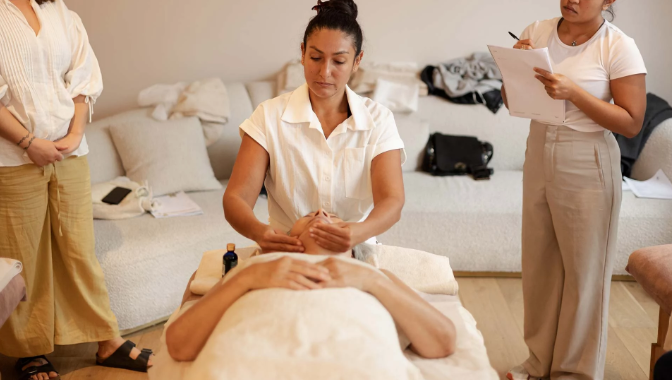
Effective lymphatic drainage involves gentle, rhythmic massage techniques that encourage lymph movement. These techniques stimulate the contraction of lymphatic vessels and improve lymph flow, thereby aiding detoxification and reducing oedema. Lymphatic drainage training courses generally focus on the anatomy and physiology of the lymphatic system, contraindications, and specific massage strokes, such as stationary circles, pump, rotary, and scoop techniques.
Health Benefits of Lymphatic Drainage
There are numerous health benefits associated with lymphatic drainage, which range from physical to psychological improvements. It helps reduce swelling from lymphoedema, enhances immune function, promotes relaxation, and supports the body’s healing processes. Practitioners trained in lymphatic drainage contribute to improved patient outcomes by reducing recovery times and alleviating symptoms of lymphatic congestion.
Who Should Undertake Lymphatic Drainage Training?
Lymphatic drainage training courses are invaluable for massage therapists, physiotherapists, healthcare professionals, and wellness practitioners aiming to specialise in manual lymphatic drainage. Such training enhances their ability to offer comprehensive care, especially for clients recovering from surgery, struggling with chronic conditions, or seeking preventative wellness therapies.
Core Techniques in Lymphatic Drainage
Mastery of core techniques is fundamental to effective lymphatic drainage. These include light pressure strokes directed towards lymph nodes, maintaining a consistent rhythm, and ensuring the sequence follows the natural lymphatic pathways. Proper technique prevents damage and optimises therapeutic results, which are emphasised in Moving Lymph PTY LTD’s courses.
Training Curriculum and Certification
Comprehensive lymphatic drainage training courses cover theoretical lessons, practical demonstrations, and supervised hands-on practice. Participants gain insight into lymphatic anatomy, indications and contraindications, treatment protocols, and post-treatment care. Completion of the course usually culminates in certification, verifying the practitioner’s qualifications to perform lymphatic drainage professionally.
Applications of Lymphatic Drainage Therapy
Lymphatic drainage is utilised in diverse clinical and wellness settings, including post-operative care, chronic venous insufficiency, cellulitis, rheumatoid arthritis, and cosmetic treatments such as face lifting and body contouring. Training equips practitioners to tailor therapy to individual client needs, improving safety and effectiveness.
Technological Advances Supporting Training
Contemporary lymphatic drainage training integrates modern technology, such as anatomical modelling and virtual simulation, to enhance learner comprehension. These tools allow for more precise visualization of lymphatic pathways and hands-on practice, accelerating the acquisition of skills.
Safety and Contraindications
Understanding contraindications is essential for safe practice. Lymphatic drainage should not be performed on clients with acute infections, congestive heart failure, blood clots, or kidney problems without medical clearance. Training emphasizes recognising these contraindications to avoid adverse effects and protect client health.
Enhancing Wellness with Lymphatic Drainage
Beyond therapeutic applications, lymphatic drainage promotes general wellness by reducing stress, enhancing circulation, and improving skin health. This holistic benefit encourages a more integrative approach to health that includes manual therapies as a cornerstone of wellness programmes.
Continuing Professional Development
Practitioners are encouraged to pursue ongoing education and skill refinement through advanced courses and workshops. Moving Lymph PTY LTD supports this by offering updated lymphatic drainage training courses that reflect the latest research and clinical practices.
Conclusion
Mastering lymphatic drainage training is pivotal for health professionals seeking to advance their therapeutic repertoire and contribute positively to client health outcomes. By enrolling in expert-led courses, practitioners gain the tools and knowledge to perform lymphatic drainage safely and effectively, promoting enhanced health and wellness.
Contact and Registration
Individuals interested in professional lymphatic drainage training are advised to explore available courses through reliable organisations such as Moving Lymph PTY LTD. Early registration is recommended to secure a place in comprehensive programmes tailored to develop competence and confidence in lymphatic therapy.