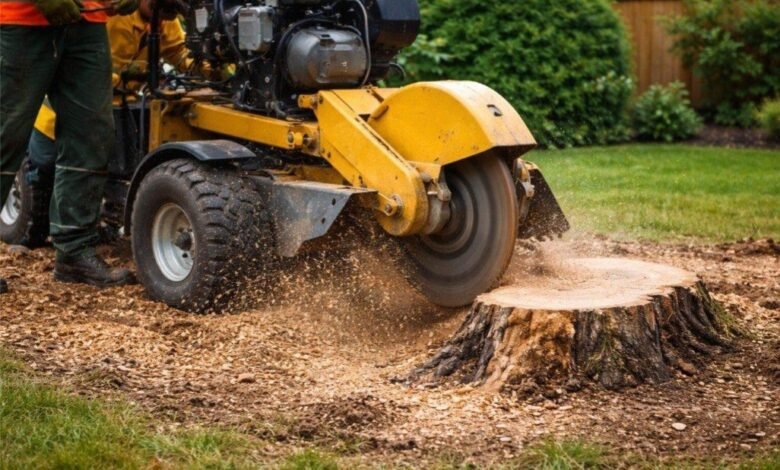
Removing tree stumps is a demanding task that requires a stump grinder to handle constant impact, friction, and heavy cutting loads. During regular operation, the cutting teeth are the components that directly contact wood and soil, making them one of the fastest-wearing parts of the machine. As stump grinder teeth become dull or damaged, cutting efficiency can decrease, fuel consumption may increase, and more time may be needed to complete each job. Choosing suitable replacement teeth helps maintain grinding performance, reduce unexpected downtime, and extend the service life of your equipment
Signs Your Stump Grinder Teeth Need Replacement
Even durable cutting teeth will gradually wear down after repeated contact with hard wood, roots, rocks, and abrasive materials. Replacing teeth at the right time is important because worn components can reduce grinding efficiency and increase the workload on your machine. By identifying early warning signs, you can avoid unnecessary downtime and maintain consistent performance.
Common signs that your stump grinder teeth may need replacement include:
- Slower Cutting Performance: If your stump grinder takes longer to remove the same size stump or requires multiple additional passes, the teeth may have become too dull to cut efficiently. Worn teeth force the machine to work harder and can reduce overall productivity.
- Excessive Vibration During Operation: Uneven tooth wear or damaged cutting tips can affect the balance of the grinding wheel. Increased vibration not only reduces operator comfort but may also place additional stress on other machine components.
- Poor Grinding Results: When teeth lose their cutting ability, you may notice inconsistent chip sizes, rough cutting surfaces, or difficulty processing harder wood materials. These issues often indicate that the cutting edges are no longer performing effectively.
- Visible Wear or Physical Damage: Regular inspections can help identify problems before they become serious. Look for signs such as worn cutting edges, cracked tooth bodies, loose components, or damaged carbide tips.
Replacing worn teeth before performance declines significantly helps reduce fuel consumption, protect the stump grinder, and maintain efficient operation across different grinding applications.
Key Factors When Choosing Replacement Teeth
Choosing the right replacement teeth is one of the most important steps in maintaining the performance of your stump grinder. The wrong tooth type can reduce cutting efficiency, increase machine stress, and lead to more frequent replacements. When selecting new teeth, you should consider several factors, including machine compatibility, working conditions, material quality, and tooth design.
- Match Your Stump Grinder Model
The first step is making sure the replacement teeth are compatible with your machine. Stump grinders from different manufacturers may use different tooth sizes, mounting systems, and pocket configurations. Even if two teeth look similar, small differences in dimensions or installation methods can affect cutting performance.
Before ordering replacements, check important details such as:
- Machine brand and model
- Tooth size and shape
- Mounting style
- Pocket or holder compatibility
Choosing the correct fit ensures the teeth work properly with the cutting wheel and helps prevent unnecessary wear.
- Consider Your Typical Working Conditions
The materials you process and the environment you work in will directly influence tooth performance. A machine used for occasional residential stump removal may have different requirements from one operating daily in commercial land clearing projects.
Consider factors such as:
- Hardwood or softwood stumps
- Soil and rock exposure
- Frequency of operation
- Job size and workload
For tougher applications, you need teeth that can withstand repeated impact and abrasion without losing cutting ability.
- Evaluate Material Quality and Tooth Construction
The material and construction of the tooth determine how long it can maintain effective cutting performance. While standard steel options may be suitable for light-duty applications, professional operators often choose carbide solutions for more demanding jobs.
High-quality carbide stump grinder teeth offer improved wear resistance and durability, helping reduce replacement frequency when working with tough wood, roots, and abrasive conditions. The initial investment can often be offset by longer service life and reduced maintenance time.
- Choose the Right Tooth Design
Tooth geometry also affects grinding results. The cutting angle, tooth profile, and carbide tip design influence how efficiently the tooth removes material. Selecting properly designed stump cutter teeth allows the machine to cut more smoothly while reducing unnecessary load on other components.
A good replacement tooth should provide the right balance of cutting performance, durability, and compatibility with your specific stump grinder.
Carbide vs Standard Steel Teeth: Which Option Is Better?
The material of your stump grinder teeth has a direct impact on cutting performance, service life, and maintenance costs. While standard steel teeth can be suitable for occasional light-duty grinding, they may wear faster when used in demanding environments with hardwood, rocks, or frequent daily operation.
Carbide-tipped teeth are widely preferred for professional stump grinding applications because the carbide cutting tip provides excellent hardness and wear resistance. This allows the teeth to maintain their cutting ability for longer periods and reduces the need for frequent replacements.
| Feature | Carbide Teeth | Standard Steel Teeth |
| Wear Resistance | Higher resistance to abrasion | More likely to wear under heavy use |
| Service Life | Longer operating life | Shorter replacement intervals |
| Suitable Applications | Commercial and heavy-duty grinding | Light-duty or occasional jobs |
| Maintenance Frequency | Lower replacement frequency | More frequent inspections and changes |
Although carbide options may have a higher initial cost, their longer service life and consistent cutting performance often provide better value over time. For operators who rely on stump grinders regularly, choosing durable teeth can help improve productivity and reduce overall operating expenses.
Conclusion
Selecting the right replacement teeth is not only about restoring cutting performance but also about improving the overall efficiency and reliability of your stump grinder. By choosing teeth that match your equipment, working conditions, and application needs, you can reduce downtime, maintain consistent results, and get more value from your machine over time.