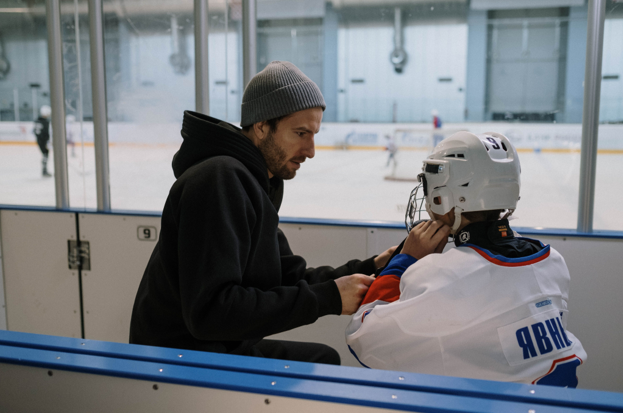
A mouthguard can help protect a child’s teeth during sports, but choosing the right one is not always simple. Parents often have to compare fit, comfort, cost, and how quickly their child’s mouth is changing.
The best option should stay in place, feel comfortable, and allow normal breathing and speaking. A guard that feels bulky or painful is more likely to be removed during practice or left in a bag.
Why Fit Matters for Children
Children’s teeth and jaws continue to develop, so a mouthguard that fit last season may no longer feel secure. Loose guards can shift during activity, while tight ones may create pressure on the gums or growing teeth.
A proper fit should cover the upper teeth evenly without causing gagging. The guard should stay securely in place even when the child opens their mouth slightly.
Main Types of Kids’ Mouthguards
Parents usually choose from three options:
- Stock guards that are ready to wear
- Boil-and-bite guards molded at home
- Custom guards made from a dental impression or digital scan
Stock guards are inexpensive and convenient, but they often have a bulky, general shape. Boil-and-bite models can offer a closer fit, although the result depends on careful molding.
Custom teeth guards are designed around the child’s actual bite. They usually provide better stability and can be adjusted for age, sport, braces, and expected contact.
Sports and Playing Style
The right thickness may depend on the activity. Football, hockey, lacrosse, boxing, and martial arts involve more direct contact, while basketball and soccer players may prefer a slimmer design that supports speech and airflow.
A child who plays several times each week may benefit from a more durable option. Occasional recreational players may be comfortable with a properly fitted boil-and-bite guard.
What About Braces?
Braces need extra room around brackets and wires. A standard guard may press against the orthodontic hardware or become uncomfortable as the teeth move.
An orthodontic guard or personalized mouthguard can provide space for those changes while helping protect the lips and cheeks. Parents should ask whether the guard can be adjusted during treatment.
Questions to Ask Before Buying
Before choosing a guard, consider:
- How often does your child play?
- Is the sport high contact or low contact?
- Does your child have braces or dental work?
- Can the guard be adjusted as teeth change?
- Is a replacement included if the fit changes soon?
It also helps to ask the child how the guard feels while speaking and breathing. Comfort is not a minor detail because it directly affects whether the guard is worn consistently.
Cleaning and Replacement
Rinse the guard after every use and clean it regularly with mild soap and cool water. Store it in a ventilated case away from direct heat.
Replace it if it becomes cracked, warped, heavily chewed, or loose. Growing children may need a new guard more often, so check the fit before each season and after major dental changes. Regular inspections also help parents notice rough edges, thinning material, trapped odors, or damage before the next practice or competitive game begins.