Many businesses face high energy bills and frequent breakdowns from commercial cooling systems. Poor maintenance can lower efficiency by up to 30 percent. This post shows simple HVAC maintenance, insulation, and control upgrades to cut costs and extend equipment life.
Read on to learn easy steps.
Importance of Preventive Maintenance
Preventive maintenance keeps cooling systems running well. Regular check-ups help avoid big problems and save money in the long run. Regular maintenance and energy-efficient operation can significantly reduce the electricity consumed by commercial cooling systems. Businesses can also review their energy procurement options and compare commercial electricity providers Ohio to find an electricity plan that better fits their cooling demands and overall operating budget.
Schedule bi-annual maintenance
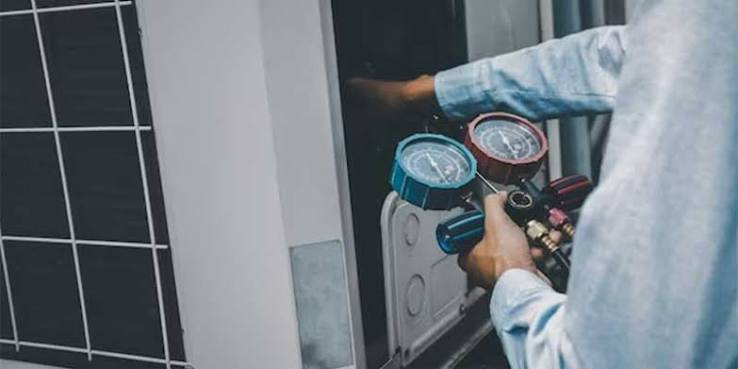
Schedule two maintenance visits each year. Good upkeep cuts energy use and extends equipment lifespan.
- Set visits in spring and fall to prepare air conditioning and refrigeration for peak demand and off-season storage.
- Define service tasks that include filter replacement, coil cleaning, belt checks, and refrigerant level inspection for chillers and cooling towers.
- Replace air filters at each visit to improve HVAC maintenance, protect compressors, and boost energy efficiency.
- Clean condenser and evaporator coils to restore heat transfer and lower run times for air conditioning and refrigeration units.
- Check controls, calibrate thermostats, and verify temperature control to reduce setpoint drift and save energy.
- Test fans, pumps, and motors to prevent failure and to extend equipment lifespan for chillers and cooling systems.
- Inspect insulation and seal ducts to cut thermal losses and to help operational improvements for the building envelope.
- Monitor performance data and log pressures, temperatures, and runtimes for trend spotting and performance monitoring.
- Schedule repairs for worn parts found during service to avoid emergency breakdowns and higher repair costs.
- Keep a maintenance record with dates, technicians, parts used, and costs to guide future system optimization and budget planning.
Clean and replace air filters regularly
Clean filters often to keep systems efficient. Replace filters on a set schedule to cut energy waste.
- Inspect filters every 30 to 90 days, and check weekly for commercial refrigeration units.
- Replace disposable filters every 30 to 90 days, depending on MERV rating and site conditions.
- Use MERV 8 to 13 for most commercial HVAC systems to balance airflow and particle capture.
- Turn off equipment before you remove filters, then vacuum or wipe housings to clear dust.
- Note clogged filters by low airflow, rising energy use, or frozen coils that harm temperature control.
- Track filter dates in maintenance logs to extend equipment lifespan and guide HVAC maintenance.
- Expect energy efficiency gains of about 5 to 15 percent from regular filter care, cutting operating costs.
- Budget $20 to $100 per filter, plus simple labor, and compare that to higher repair costs from neglect.
- Clean filters protect chillers, cooling towers, and refrigeration cabinets and improve thermal management.
Next, explore system upgrades to optimize cooling system efficiency.
Optimize Cooling System Efficiency
Upgrading to variable-speed drives can improve energy use. Sealing and insulating your building keeps the cool air inside and cuts costs.
Upgrade to variable-speed drives
Variable-speed drives match motor speed to actual demand. They cut energy use by up to 30% in HVAC and commercial refrigeration systems. This lowers operating costs and extends equipment lifespan.
For reliable support, many businesses rely on expert refrigeration service in South Carolina to ensure their systems operate efficiently.
Install drives on chillers, compressors, and condenser fans to improve energy efficiency. Service technicians can tune the drives for better temperature control and smoother system operation.
Sealing gaps and adding insulation cut cooling load and lead into the next step.
Seal and insulate building envelopes
Upgrading to variable-speed drives improves efficiency. Sealing and insulating building envelopes takes this a step further. Proper sealing keeps cool air inside. It also blocks outside heat from entering the building.
This reduces the workload on cooling systems.
Insulation enhances energy efficiency too. Well-insulated walls, roofs, and floors maintain consistent temperatures. This helps cut down energy costs significantly over time. Regular checks ensure there are no leaks or gaps in seals and insulation materials.
Keeping these areas well-maintained boosts system performance and prolongs equipment lifespan.
Enhance System Controls
Use smart controls to manage your cooling systems better. Keeping track of temperatures and settings helps improve energy use and comfort.
Implement digital control systems
Digital control systems improve the efficiency of cooling systems. They automate monitoring and managing temperatures. With these systems, you can adjust settings from anywhere. This makes it easier to maintain energy efficiency.
Using digital controls helps reduce waste. You can set schedules for peak cooling times and adjust based on demand. Better temperature control saves energy and cuts costs. These upgrades also extend equipment lifespan, keeping HVAC systems running smoothly for longer periods.
Optimize thermostat settings
Set the thermostat to the right temperature. Adjusting it by just a few degrees can save energy and money. Keep cooling at 75°F during working hours in hot months. Lower it slightly when no one is in the building.
Use programmable thermostats for better control. These devices allow you to set different temperatures throughout the day. Automated settings help reduce energy waste. Make sure every area of your space has proper temperature controls, too.
This approach boosts system efficiency and keeps everyone comfortable.
Next, focus on enhancing system controls for even better performance.
Address System Issues Early
Watch for signs that your cooling system is not working well. Fixing problems quickly can save money and keep the system running longer.
Monitor for warning signs of inefficiency
Signs of inefficiency can harm your cooling system. Identifying these signs early can save money and extend equipment lifespan.
- Check for unusual noises from your HVAC system. Loud sounds may signal a malfunction that needs attention.
- Look for temperature inconsistencies in different rooms. Uneven temperatures show that the system may not be working well.
- Monitor energy bills closely. A sudden rise in costs could mean your cooling systems are less efficient.
- Inspect airflows from vents. Weak or blocked airflow indicates an issue that might affect cooling performance.
- Watch for condensation or leaks around the unit. Excess moisture can lead to bigger problems if not caught quickly.
- Keep track of how often you need repairs. Frequent breakdowns suggest that it may be time for a replacement.
- Observe any strange smells coming from the system. Unpleasant odors may indicate burning components or mold growth.
- Evaluate the age of your equipment. Older models often struggle to maintain efficiency compared to newer, upgraded options.
Staying alert to these signs helps maintain efficient operations in commercial refrigeration and HVAC systems.
Repair or replace aging equipment promptly
Keeping an eye on system issues helps identify problems early. Aging equipment can cause inefficiencies in cooling systems. Old machines often use more energy and lead to higher costs.
Repairing or replacing this equipment quickly keeps the system running smoothly.
Newer models have better technology and features that improve performance. Timely upgrades extend the lifespan of your HVAC systems and enhance energy efficiency. This saves money over time and ensures effective temperature control for your building.
Conclusion
Commercial cooling systems need care to run well. Regular maintenance helps keep them efficient and saves energy costs. Upgrading equipment can also boost efficiency. Early repairs prevent bigger problems later.
Ensure your system runs smoothly for a comfortable environment and lower bills.