Who Is Neil Joseph Tardio Jr.? A Clear Look at Téa Leoni’s First Husband and His Life


Neil Joseph Tardio Jr. – Personal Details
| Category | Information |
|---|---|
| Full Name | Neil Joseph Tardio Jr. |
| Birth Date | July 22, 1964 |
| Age (2026) | 61 years old |
| Birthplace | Rye, New York, USA |
| Nationality | American |
| Profession | Director, Producer, Commercial Filmmaker |
| Father | Neil J. Tardio Sr. |
| Mother | Margaret |
| Siblings | Not publicly known |
| First Wife | Téa Leoni (married 1991–1995) |
| Second Wife | Julia Sayre Hine (married 1998–present) |
| Children | Two (Max and Charlie) |
| Education | Boston University (Film, Cinema, Video Studies & Communications) |
| High School | Rye Country Day School |
| Current Residence | Los Angeles, California |
| Known For | Directing major brand commercials and media projects |
| Awards | Peabody Award, Emmy nomination |
| Net Worth | Not confirmed; likely multi-million (based on career) |
| Physical Appearance | Not publicly disclosed |
Early Life and Background
Neil Joseph Tardio Jr. was born on July 22, 1964, in the peaceful town of Rye, New York. He grew up in a warm home where imagination, ideas, and creativity were encouraged every day. From a young age, Neil was surrounded by cameras, lights, and stories because his family worked in the world of media and production.
This early exposure helped shape his mind and made him curious about how stories are told through pictures and videos. His childhood was supportive and stable, and the comfort of his home gave him the space to dream about creating things that could touch people’s hearts. Even though not much is publicly known about his early childhood moments, it is clear that the creative environment around him played a very important role in guiding him toward a path in film and media.
Education and Early Creative Development
Neil attended Rye Country Day School, a respected school that helped shape his interests and skills. While studying there, he began to enjoy creative subjects and showed a growing interest in visuals and storytelling. After finishing school, he continued his education at Boston University, where he studied film, cinema, video studies, and communications. During his time at the university, he learned how cameras work, how to plan shoots, how to shape ideas into stories, and how to bring emotions into visual projects.
He also took part in different student activities, including working at the school’s radio station and playing sports like hockey, soccer, and lacrosse. These experiences helped him learn communication, teamwork, discipline, and leadership. University life played a big part in preparing him for his future job, giving him the technical skills and creative understanding he would later use to succeed in the world of production.
Early Career Beginnings
After completing his studies, Neil stepped into the professional world with determination and curiosity. He began his career at major advertising companies such as Saatchi & Saatchi and DDB/Chicago. These early jobs taught him how to turn simple ideas into powerful messages and how to create commercials that leave strong impressions. Working at these large firms helped him understand the advertising industry from the inside and showed him how important clear storytelling is in capturing people’s attention. His early career gave him a strong foundation and helped him develop the skills that would later make him a respected director.
Rise in the Commercial and Media Industry
A major turning point in Neil’s career came when he joined Fahrenheit Films in 1992. This move gave him more creative space and allowed him to take on bigger and more meaningful projects. One of his first projects at the company earned him a Peabody Award, a prestigious honor that recognizes outstanding storytelling and media work. This award not only showed that he was talented but also that his work had emotional depth and purpose. Neil also directed 32 episodes of Channel One, a news program created for students in schools.
He later worked on ESPN’s PE TV, a fun and engaging show aimed at young audiences. These projects helped him strengthen his ability to connect with people through clear and friendly storytelling. As his experience grew, so did his reputation as a director who understood how to blend creativity with communication in a way that felt natural and relatable.
Signature Directing Style
Neil is known for a directing style that feels simple, warm, honest, and real. His work often includes light humor, natural moments, and relatable emotions. He has a talent for making even short commercials feel meaningful and memorable. He pays close attention to details like casting, pacing, and visuals, making sure each scene feels genuine. His ability to take a small everyday idea and turn it into a strong message is one of the reasons so many big brands trust him. Neil’s style is not loud or flashy; instead, it focuses on clarity, sincerity, and emotional connection, which helps his work stand out in a busy advertising world.
Major Commercial Projects and Brand Collaborations
Over the years, Neil has directed commercials for some of the biggest and most recognizable companies in the world. Brands like Nike, Coca-Cola, Volkswagen, McDonald’s, AT&T, Virgin, Bank of America, and Tim Hortons have all worked with him because of his ability to create messages that feel real and memorable.
Many people have seen his work without knowing his name, which shows how much influence he has had behind the scenes. His commercials often blend humor with heart, making them enjoyable and easy for viewers to connect with. His consistent success with major brands speaks to his creativity, reliability, and skill.
Work in Music Videos and Special Projects
Beyond commercials, Neil has also directed music videos, including ones for Queen Latifah and the Red Hot Chili Peppers. These projects allowed him to explore new styles and express creative ideas in different ways. He was also nominated for an Emmy Award for a project called Joint Man, which promoted drug-free awareness. This recognition highlighted his ability to work on meaningful social messages as well as commercial content. Neil’s range across different types of media shows his deep understanding of storytelling and his ability to adapt to any creative challenge.
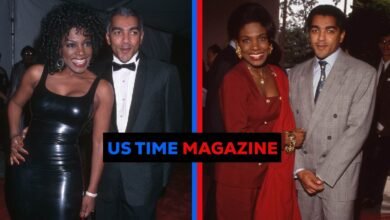
Marriage to Téa Leoni

Who Is Téa Leoni?

Divorce and Life After Separation
After four years of marriage, Neil and Téa Leoni decided to divorce in 1995. The separation was private, peaceful, and respectful. They did not speak negatively about each other, and they did not share personal details with the public. Many people believe that their careers took them in different directions, which may have led to the decision. Their quiet approach to the divorce showed maturity and dignity, and they both continued their lives positively afterward.
Second Marriage and Family Life
In 1998, Neil married Julia Sayre Hine, a talented professional who once worked at Random House as a special marketing manager. She graduated magna cum laude from Barnard College and built a strong career of her own. Together, Neil and Julia created a peaceful home in Los Angeles, where they raised their two children, Max and Charlie. Neil values privacy, so he keeps his family life away from public attention. Their home life is calm, creative, and full of support, showing how important family is to him. Even though he works in a busy industry, he makes time for his loved ones and keeps life simple and steady.
Third Street Mining Company
Neil founded Third Street Mining Company, which became an important part of his creative journey. This company allowed him to explore ideas more freely, develop original scripts, and experiment with new styles of storytelling. He created projects that mixed humor and heart, including a well-loved short film about elderly characters. Through this company, he also worked on digital marketing and retail projects, showing his ability to adapt to the changing media world. His leadership at Third Street Mining Company reflects his belief in creativity, experimentation, and meaningful stories.
Work with Durable Goods
In 2022, Neil joined Durable Goods as a commercial director and production advisor. This role allowed him to collaborate with international teams and work on global campaigns. He became a trusted guide for clients who needed help bringing their ideas to life. His work at Durable Goods highlights his ability to blend experience with fresh thinking. He remains committed to storytelling that feels human, relatable, and honest. His dedication to his craft and his willingness to work tirelessly make him stand out in the industry.
Creative Direction in Digital and Social Media
As the world changed and media expanded into digital platforms, Neil adapted with ease. He learned how to turn brand messages into engaging social content and helped companies reach audiences through new channels. His deep understanding of communication and creative direction made him a strong partner for brands navigating online spaces. His ability to mix traditional storytelling with modern digital trends has helped many campaigns connect successfully with viewers.
Global Influence and International Collaborations
Neil’s influence extends far beyond the United States. He has worked with international teams, collaborated across cultures, and brought his storytelling style to a wide range of global projects. His ability to communicate through visuals makes his work relatable in many different countries. This global reach has strengthened his position as a respected and dependable director whose ideas cross borders easily.
Notable Achievements and Career Milestones
Throughout his long career, Neil has earned awards, respect, and recognition from the industry. His Peabody Award, Emmy nomination, and work with top global brands reflect his success and influence. His journey from a creative childhood in New York to a respected director working with major companies shows how dedication and passion can shape a meaningful career. Each project he works on adds to his legacy as a storyteller who values authenticity and emotional impact.
Personal Philosophy and Professional Values
Neil is known for being humble, grounded, and committed to his craft. He believes in stories that feel real and connect with people in simple ways. He also enjoys mentoring younger creatives and helping others in the industry grow. His work ethic is strong, and he values honesty, collaboration, and creativity in every project. His approach shows that success does not require loud attention but can come from steady work and meaningful ideas.
Net Worth, Impact, and Industry Legacy
While his exact net worth is not publicly confirmed, his decades of directing work with major brands suggest that he has built a strong and successful career. His legacy is defined not just by the commercials or videos he has created but also by the influence he has had on storytelling in the advertising world. His work continues to inspire new directors, and his quiet success proves that creativity can shine brightly even without being in the spotlight.
What Neil Joseph Tardio Jr. Is Doing Today
Today, Neil continues to work on new projects through Third Street Mining Company and Durable Goods. He directs commercials for well-known brands, writes children’s books, and develops a feature film called ShortCut Man. Even after many years in the field, he remains curious, creative, and passionate about storytelling. He enjoys a peaceful life with his family in Los Angeles while continuing to share his ideas with the world through his work.
Conclusion
Neil Joseph Tardio Jr.’s life is a beautiful example of quiet success built through dedication, creativity, and honesty. He never chased fame or public attention, yet his work has reached millions of people and made a strong impact across industries. His story shows that staying true to yourself and your passion can lead to a meaningful and fulfilling career. As a director, producer, mentor, and storyteller, Neil continues to inspire others with his gentle personality, thoughtful work, and lifelong love for creating stories that touch the heart.
FAQs About Neil Joseph Tardio Jr.
1. Who is Neil Joseph Tardio Jr.?
Neil Joseph Tardio Jr. is an American director and producer known for his work in commercials, short films, and media projects. He works behind the camera and has directed ads for many major brands.
2. How old is Neil Joseph Tardio Jr.?
He was born on July 22, 1964, which makes him 61 years old in 2026.
3. Was Neil Joseph Tardio Jr. married to Téa Leoni?
Yes, he was married to actress Téa Leoni from 1991 to 1995.
4. Is Neil Joseph Tardio Jr. married now?
Yes, he married Julia Sayre Hine in 1998, and they have a private, peaceful family life together.
5. Does Neil Joseph Tardio Jr. have children?
Yes, he has two children with his wife Julia—a son named Max and a daughter named Charlie.
6. What is Neil Joseph Tardio Jr. known for in his career?
He is known for directing commercials for brands like Nike, Coca-Cola, McDonald’s, AT&T, and many more, along with winning awards such as a Peabody Award and earning an Emmy nomination.
7. What is Neil Joseph Tardio Jr.’s net worth?
His exact net worth is not publicly confirmed, but based on his long career and major brand work, it is likely in the multi-million-dollar range.