Obesity is more than a number on the weighing scale. It is a chronic health condition involving excess body fat that can increase the risk of other diseases and affect mobility, sleep, daily activities and overall quality of life. The World Health Organization (WHO) classifies obesity as a chronic, relapsing disease influenced by multiple factors, including genetics, eating behaviours, environment and other biological and social factors.
For adults, a body mass index (BMI) of 30 or above is generally classified as obesity under WHO criteria. However, BMI alone does not determine how serious obesity is for an individual. Waist circumference, existing health conditions, physical function and how excess weight is affecting a person’s health are also important considerations.
In Singapore and other Asian populations, health risks may occur at lower BMI levels than the conventional WHO thresholds. Singapore’s clinical guidance therefore uses lower BMI cut-offs for public health action in Asian populations.
So, when does obesity become serious? Generally, concern increases when excess weight is accompanied by medical complications, significant functional limitations, progressive weight gain or difficulty managing the condition through lifestyle measures alone.
What Is Obesity?
Obesity occurs when excess body fat accumulates to a level that may impair health.
BMI is commonly used as an initial measure because it compares weight with height.
For adults, WHO defines:
- BMI below 25: below the overweight range
- BMI 25 or above: overweight
- BMI 30 or above: obesity
However, BMI is a screening measure rather than a complete assessment of an individual’s health. It does not directly measure body fat distribution and may not reflect the same level of health risk in every person.
This is particularly relevant in Asian populations, where metabolic and cardiovascular risks may occur at lower BMI levels. Singapore’s clinical guidance identifies BMI 23.0 to 27.4 kg/m² as a moderate cardiovascular-risk range, 27.5 to 32.4 as high risk, 32.5 to 37.4 as very high risk and 37.5 or above as an additional high-risk category.
When Does Obesity Become a Serious Health Concern?
There is no single BMI number that means obesity has suddenly become “serious”. Instead, doctors consider the overall impact of excess weight on health.
Obesity becomes increasingly concerning when it is associated with one or more of the following:
- Type 2 diabetes
- High blood pressure
- Abnormal cholesterol levels
- Heart disease
- Obstructive sleep apnoea
- Fatty liver disease
- Joint problems
- Reduced mobility
- Difficulty performing daily activities
- Progressive weight gain
- Reduced quality of life
The WHO identifies obesity as a major risk factor for conditions including cardiovascular disease, diabetes, osteoarthritis and several types of cancer.
1. You Have Obesity-Related Medical Conditions
One of the clearest signs that obesity is becoming a significant health concern is the development of obesity-related conditions.
These may include:
Type 2 Diabetes
Excess body weight is associated with an increased risk of developing type 2 diabetes.
For people who already have diabetes, weight management may form an important part of controlling blood glucose and reducing the risk of complications.
High Blood Pressure
Obesity is associated with an increased risk of hypertension.
Persistently high blood pressure can place additional strain on the heart and blood vessels.
Abnormal Cholesterol
Obesity may be associated with changes in blood lipid levels, including elevated triglycerides and other abnormalities that can contribute to cardiovascular risk.
Fatty Liver Disease
Excess body fat is associated with metabolic dysfunction-associated steatotic liver disease (MASLD), previously commonly referred to as non-alcoholic fatty liver disease.
Some people may have few symptoms despite changes occurring in the liver.
Obstructive Sleep Apnoea
Excess weight can increase the risk of obstructive sleep apnoea, a condition in which the upper airway repeatedly becomes blocked during sleep.
Possible symptoms include:
- Loud snoring
- Pauses in breathing during sleep
- Waking up gasping
- Daytime sleepiness
- Morning headaches
2. Your Weight Is Affecting Your Mobility
Obesity can place additional mechanical stress on weight-bearing joints.
This may contribute to problems involving:
- Knees
- Hips
- Ankles
- Lower back
Patients may notice:
- Knee pain when walking
- Difficulty climbing stairs
- Reduced walking distance
- Difficulty exercising
- Increased joint stiffness
The WHO recognises osteoarthritis and other musculoskeletal disorders among health problems associated with excess weight.
When weight begins limiting movement, the problem can become self-reinforcing. Reduced activity may make it harder to maintain muscle strength and manage weight.
3. You Are Experiencing Sleep Problems
Obesity can affect sleep in several ways, particularly when obstructive sleep apnoea develops.
You may need assessment if you:
- Snore loudly
- Wake up repeatedly
- Gasp or choke during sleep
- Feel excessively tired during the day
- Struggle to concentrate
- Wake with headaches
Poor sleep can also make weight management more difficult by affecting appetite, energy levels and daily activity.
Persistent sleep problems should therefore be assessed rather than attributed solely to being overweight.
4. Everyday Activities Are Becoming More Difficult
Obesity may become a more significant concern when it begins interfering with daily function.
Examples include difficulty:
- Walking short distances
- Climbing stairs
- Getting up from a chair
- Getting in and out of a vehicle
- Exercising
- Performing household activities
Functional limitations are important because they reflect how excess weight is affecting an individual’s life rather than simply measuring body size.
5. Your Weight Is Continuing to Increase
Progressive weight gain may be another reason to seek medical assessment.
Weight gain can be influenced by many factors, including:
- Dietary patterns
- Physical activity
- Sleep
- Stress
- Medications
- Hormonal conditions
- Genetics
- Other medical conditions
Obesity is not simply a matter of willpower. WHO describes it as a multifactorial chronic disease involving biological, environmental and behavioural factors.
If weight continues to increase despite attempts to manage it, a healthcare professional can assess whether there are underlying contributors and discuss appropriate treatment options.
6. Lifestyle Changes Alone Are No Longer Enough
Healthy eating and regular physical activity remain important components of obesity management.
However, some patients may find that lifestyle changes alone do not produce sufficient or sustainable weight loss.
This does not necessarily mean that they have failed.
Obesity can involve biological mechanisms that make long-term weight management difficult. A doctor may therefore consider a broader treatment plan that can include:
- Nutritional support
- Structured exercise
- Behavioural interventions
- Weight-loss medication
- Endoscopic procedures
- Bariatric surgery
The appropriate approach depends on the individual’s health and treatment goals.
7. Your BMI Is in a Higher-Risk Range
BMI can help identify people who may benefit from further assessment.
For the general adult population, WHO classifies a BMI of 30 or above as obesity.
However, Singapore’s guidance recognises that Asian populations may experience obesity-related health risks at lower BMI levels. BMI 27.5 kg/m² and above is identified as a high-risk range for public health action in Asians, while BMI 32.5 kg/m² and above represents a very high-risk range.
This does not mean that everyone above a particular BMI automatically requires medication or surgery.
Instead, BMI can signal that a more detailed health assessment may be appropriate.
8. Your Waist Circumference Is Elevated
Where body fat is stored can also matter.
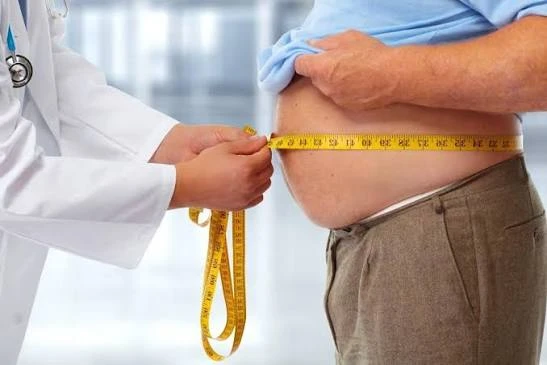
Fat concentrated around the abdomen is associated with metabolic health risks, and waist circumference can provide information that BMI alone does not.
For this reason, doctors may consider:
- BMI
- Waist circumference
- Blood pressure
- Blood glucose
- Cholesterol
- Other metabolic markers
WHO also notes that additional measurements such as waist circumference can help with the assessment of obesity beyond BMI.
9. Obesity Is Affecting Your Mental or Social Wellbeing
The effects of obesity are not limited to physical health.
Some individuals may experience:
- Reduced confidence
- Difficulty participating in activities
- Social withdrawal
- Emotional distress
- Reduced quality of life
It is important to approach these concerns without stigma. Psychological wellbeing can be an important part of comprehensive obesity care.
If emotional eating, depression, anxiety or other psychological factors are affecting weight management, appropriate professional support may form part of treatment.
What Health Problems Can Obesity Increase the Risk Of?
Obesity is associated with a broad range of health conditions.
These include:
Metabolic Conditions
- Type 2 diabetes
- Insulin resistance
- Metabolic syndrome
Cardiovascular Conditions
- High blood pressure
- Heart disease
- Stroke
Respiratory Conditions
- Obstructive sleep apnoea
- Other breathing-related problems
Musculoskeletal Conditions
- Osteoarthritis
- Joint pain
- Mobility problems
Liver Conditions
- Fat accumulation in the liver
- Metabolic dysfunction-associated steatotic liver disease
Certain Cancers
WHO reports associations between obesity and several cancers, including cancers of the endometrium, breast, ovary, prostate, liver, gallbladder, kidney and colon.
Having obesity does not mean that a person will develop these conditions. Risk varies according to individual and other factors.
Does Someone Have to Have Severe Obesity to Need Treatment?
No.
Treatment does not necessarily begin only when someone reaches the highest BMI categories.
If excess weight is already contributing to:
- Diabetes
- High blood pressure
- Sleep apnoea
- Joint problems
- Fatty liver disease
- Reduced mobility
medical intervention may be appropriate even if the person’s BMI is below the range traditionally associated with severe obesity.
This is particularly relevant for Asian populations, where metabolic risk may occur at lower BMI levels.
When Should You See a Doctor About Obesity?
Consider seeking medical assessment if:
- Your weight has increased progressively
- You have difficulty losing weight despite sustained efforts
- You have obesity-related medical conditions
- You experience sleep apnoea symptoms
- Joint pain is limiting your activity
- Your weight is affecting daily function
- You are considering weight-loss medication or procedures
A doctor can assess your overall health rather than focusing only on the number on the scale.
How Is Obesity Assessed?
A comprehensive assessment may include:
BMI
BMI provides an initial measure of weight relative to height.
Waist Circumference
This provides information about abdominal fat distribution.
Medical History
Your doctor may review:
- Weight changes
- Previous weight-loss attempts
- Medical conditions
- Medications
- Eating patterns
- Physical activity
- Sleep
Blood Tests
Depending on your circumstances, testing may assess:
- Blood glucose
- Cholesterol
- Liver function
- Other metabolic markers
Assessment of Obesity-Related Conditions
Your doctor may also screen for:
- Diabetes
- Hypertension
- Sleep apnoea
- Fatty liver disease
- Joint problems
What Treatment Options Are Available?
Treatment depends on the severity of obesity, associated health problems and individual circumstances.
Lifestyle and Behavioural Management
This may include:
- Nutritional counselling
- Physical activity
- Behavioural strategies
- Sleep management
These remain important regardless of whether additional treatment is required.
Weight-Loss Medication
Medication may be considered for selected patients when lifestyle measures alone have not produced sufficient results.
The choice of medication depends on:
- BMI
- Medical conditions
- Other medications
- Potential side effects
- Treatment goals
Endoscopic Weight-Loss Procedures
Some patients may be suitable for procedures such as endoscopic sleeve gastroplasty (ESG).
ESG is performed using an endoscope passed through the mouth. Internal sutures are used to reduce the size and capacity of the stomach without surgically removing part of it.
It is different from surgical sleeve gastrectomy and may be considered for selected patients as part of a comprehensive obesity-management programme.
Bariatric Surgery
Bariatric surgery may be considered for selected patients with more significant obesity, particularly when obesity-related medical conditions are present or other treatments have not produced sufficient results.
Procedures include:
- Sleeve gastrectomy
- Gastric bypass
The decision requires a detailed assessment rather than BMI alone.
When Is Bariatric Surgery Considered?
Bariatric surgery may be considered when obesity is significantly affecting health and the patient meets appropriate clinical criteria.
In Singapore, clinical guidance uses BMI thresholds adapted for Asian populations. Bariatric surgery may be considered at BMI above 37.5 kg/m², or at BMI above 32.5 kg/m² when obesity-related complications are present, particularly when these conditions are difficult to control through other approaches.
However, these thresholds do not mean that surgery is automatically recommended.
Doctors may also consider:
- Overall health
- Obesity-related conditions
- Previous treatment
- Surgical risks
- Psychological readiness
- Ability to commit to long-term follow-up
Does Obesity Always Get Worse With Age?
Not necessarily.
However, maintaining or losing weight can become more challenging as people age because of changes in:
- Muscle mass
- Physical activity
- Metabolism
- Hormones
- Lifestyle
This is one reason it can be useful to address progressive weight gain before significant complications develop.
Can Obesity Be Reversed?
Obesity can be treated and managed, although long-term management may be necessary.
Treatment goals are not limited to achieving a particular number on the scale.
They may include:
- Reducing health risks
- Improving blood sugar
- Lowering blood pressure
- Improving sleep
- Reducing joint strain
- Improving physical function
- Supporting quality of life
Even when substantial weight loss is not immediately achieved, improvements in health markers and physical function can still be clinically meaningful.
Obesity does not suddenly become serious at one particular number on the weighing scale. The health impact depends on factors including the degree and distribution of excess body fat, BMI, waist circumference, existing medical conditions and how weight is affecting physical function and quality of life.
For adults, WHO defines obesity as a BMI of 30 or above, but Singapore’s guidance recognises that Asian populations can experience obesity-related health risks at lower BMI levels.
Medical assessment becomes particularly important when obesity is accompanied by conditions such as type 2 diabetes, hypertension, sleep apnoea, fatty liver disease or joint problems, or when excess weight begins to interfere with everyday activities.
Treatment can range from structured lifestyle management and medication to procedures such as ESG or bariatric surgery for appropriately selected patients. The most suitable approach depends on the individual’s health, treatment history and goals.
If you are concerned that your weight may be affecting your health, a medical assessment can help identify associated risks and determine whether additional treatment is appropriate.
This article is for general information only and should not replace medical advice from a qualified healthcare professional.