Preparing for Secondary 3 Under the New MOE Expectations with Secondary 2 English Tuition

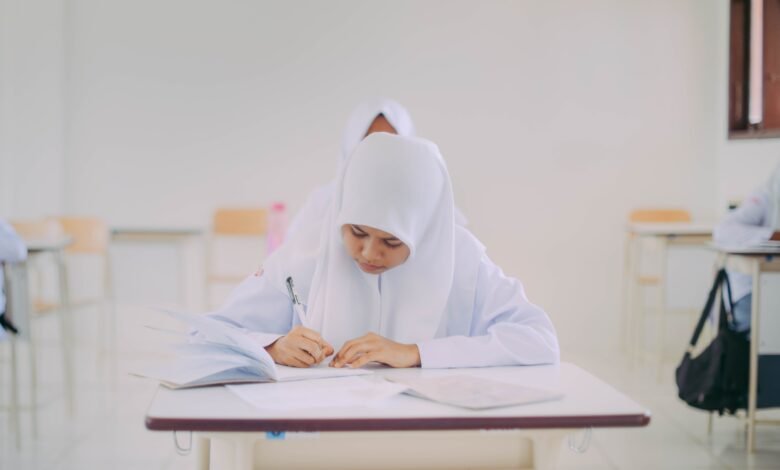
The move from Secondary 2 to Secondary 3 is often described as one of the biggest academic transitions in Singapore’s education system. Students face more demanding subjects, greater expectations from teachers, and an increased need to think critically rather than simply memorise information. As the Ministry of Education (MOE) continues to emphasise deeper learning and the application of knowledge, students must be prepared for these higher standards before they step into the upper secondary years.
Secondary 2 English Tuition helps students strengthen their language skills before this important transition. By improving reading comprehension, writing, oral communication, and analytical thinking, students can approach Secondary 3 with greater confidence and the ability to cope with the increased academic demands across multiple subjects.
Why the Transition to Secondary 3 Is More Challenging Than Many Expect
Secondary 3 introduces a noticeable shift in both workload and learning style. Students are expected to understand more complex concepts, complete independent assignments, and communicate their ideas with greater clarity. English becomes increasingly important because it supports learning in almost every subject.
Many students experience challenges such as:
- Understanding longer and more sophisticated comprehension passages.
- Writing essays with stronger arguments and clearer organisation.
- Managing heavier homework and revision schedules.
- Applying critical thinking instead of relying on memorised answers.
- Participating confidently in classroom discussions and oral presentations.
Preparing for these expectations before entering Secondary 3 helps students adjust more smoothly and reduces unnecessary stress.
Understanding MOE’s Evolving Expectations
Singapore’s education system has gradually shifted its focus from examination performance alone to developing lifelong learners. Students are encouraged to analyse information, solve problems creatively, communicate effectively, and apply knowledge in meaningful situations.
The table below highlights how learning expectations have evolved.
| Previous Focus | Current MOE Expectations |
| Memorising model answers | Applying knowledge in different contexts |
| Basic language accuracy | Critical thinking and effective communication |
| Teacher-led learning | Independent and collaborative learning |
| Simple comprehension | Deep analysis and evaluation |
| Standard essay writing | Original ideas supported with evidence |
These changes mean students need stronger English proficiency than ever before.
How Secondary 2 English Tuition Supports Future Success
Preparing early gives students time to build skills gradually instead of rushing when Secondary 3 begins. Tuition can reinforce classroom learning while providing additional practice tailored to each student’s learning needs.
Key areas of improvement often include:
- Grammar accuracy and sentence construction.
- Vocabulary development for academic writing.
- Reading comprehension techniques.
- Situational and continuous writing.
- Oral communication and presentation skills.
- Listening comprehension strategies.
Rather than simply preparing for examinations, students develop practical language abilities that support learning across the curriculum.
Building Strong Reading and Comprehension Skills
Reading comprehension becomes considerably more demanding in the upper secondary years. Students are expected to understand implied meanings, identify the writer’s purpose, evaluate arguments, and interpret unfamiliar vocabulary from context.
Quality tuition often teaches students how to:
- Identify key information quickly.
- Analyse tone and attitude.
- Recognise persuasive techniques.
- Draw logical inferences.
- Support answers using appropriate textual evidence.
These strategies improve both confidence and examination performance while encouraging students to become thoughtful readers.
Developing More Effective Writing Skills
Writing remains one of the most challenging areas for many students. Secondary 3 requires students to produce more mature, organised, and engaging pieces of writing.
Students benefit from learning how to:
- Plan essays before writing.
- Organise ideas logically.
- Create strong introductions and conclusions.
- Develop convincing supporting paragraphs.
- Use varied vocabulary naturally.
- Edit and improve their own work independently.
Regular writing practice allows students to express ideas more clearly while avoiding common grammatical errors.
Strengthening Oral Communication
Communication skills extend beyond written examinations. Students are increasingly expected to participate actively in discussions, present ideas confidently, and respond thoughtfully during oral assessments.
Effective preparation focuses on helping students:
- Speak confidently and fluently.
- Organise responses logically.
- Support opinions with relevant examples.
- Improve pronunciation and expression.
- Listen carefully before responding.
These abilities are valuable not only for examinations but also for future academic and professional success.
Creating Good Study Habits Before Secondary 3
Academic success depends as much on consistent habits as natural ability. Students who establish productive routines during Secondary 2 often cope better with the increased workload later.
Helpful habits include:
- Reading English newspapers and books regularly.
- Recording and revising new vocabulary.
- Reviewing corrected mistakes after every assessment.
- Practising comprehension questions weekly.
- Writing short essays consistently.
- Setting realistic revision goals throughout the school term.
Small improvements made consistently often lead to significant long-term progress.
Supporting Students Beyond Academics
Confidence plays a major role in learning. Students who believe they can improve are generally more willing to ask questions, attempt challenging tasks, and learn from mistakes.
Parents can encourage positive learning by:
- Praising consistent effort instead of only results.
- Creating a quiet and organised study environment.
- Discussing school experiences openly.
- Encouraging regular reading at home.
- Helping students maintain a healthy balance between study and rest.
When academic support is combined with emotional encouragement, students often become more resilient learners.
Choosing the Right Learning Support
Every student has different strengths and learning needs. Some may require additional help with writing, while others need guidance in comprehension or oral communication.
When considering tuition, parents should look for programmes that offer:
- Teachers familiar with Singapore’s MOE syllabus.
- Structured lesson plans with clear objectives.
- Individual feedback and progress monitoring.
- Opportunities for active participation.
- Regular practice using meaningful learning materials.
Many parents choose established learning providers such as Mavis Tutorial Centre, where structured lessons complement school learning and help students develop stronger English foundations without placing unnecessary pressure on them.
Preparing Today for Tomorrow’s Opportunities
Secondary 3 is more than simply the next academic level. It marks the beginning of greater independence, more advanced thinking, and preparation for future national examinations. Students who strengthen their English skills early often find themselves better equipped to understand complex subject content, communicate effectively, and perform confidently across multiple disciplines.
Investing time in developing language proficiency during Secondary 2 can make the transition significantly smoother. With consistent practice, supportive guidance, and a positive learning mindset, students are better prepared to embrace the opportunities and challenges that Secondary 3 brings.
Final Thoughts
Preparing for Secondary 3 is not about rushing through more worksheets or memorising model answers. It is about developing communication, analytical, and critical-thinking skills that Singapore’s education system increasingly values. Secondary 2 English Tuition helps students strengthen these essential abilities before academic expectations become more demanding, allowing them to approach new academic challenges with greater confidence and resilience.
As students progress into the upper secondary years, strong English proficiency supports success not only in language examinations but also across subjects that require clear reading, critical analysis, and effective written communication. Developing these skills early gives students more time to build confidence, improve study habits, and adapt to the higher expectations of the MOE curriculum without feeling overwhelmed.
For parents seeking structured academic support, Mavis Tutorial Centre offers programmes designed to complement classroom learning and help students build lasting confidence for the years ahead. To learn more about its English tuition programmes and how they can support your child’s academic journey, visit mavistutorial.com and explore the learning options available for every stage of secondary education. With consistent guidance, personalised feedback, and regular practice, students can improve their language skills, strengthen their problem-solving abilities, and approach Secondary 3 with a solid academic foundation, a positive mindset, and the confidence to achieve their full potential throughout their secondary school journey.