Eldy Banda Biography: The Inspiring Life of Benjamin Bratt’s Mother and Indigenous Activist

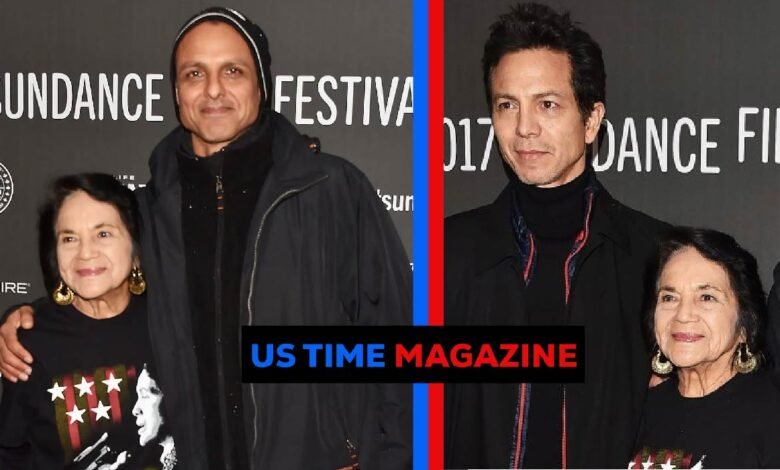
Eldy Banda is best known to many people as the mother of actor Benjamin Bratt, but her story is far deeper and more meaningful than being connected to Hollywood. She is a Peruvian-born nurse, a proud woman of Quechua heritage, a community activist, and a mother who shaped her children through courage, culture, and compassion. Her life reflects strength, sacrifice, and dedication to both family and community. From growing up in Lima, Peru, to building a life in San Francisco, she followed a path guided by service and justice.
She worked for many years as a nurse, helping patients with care and empathy, and she also took part in historic movements that supported Native American rights. Eldy Banda’s journey shows that real success is not measured by fame, but by impact, values, and the lives we uplift along the way.
Personal Details
| Detail | Information |
|---|---|
| Full Name | Eldy Banda |
| Date of Birth | March 22, 1940 |
| Age (as of 2024) | 84 years old |
| Birthplace | Lima, Peru |
| Nationality | Peruvian-American |
| Ethnicity | Quechua (Indigenous Peruvian) |
| Religion | Not Publicly Available |
| Profession | Nurse |
| Secondary Work | Activist, Film-Related Contributions |
| Marital Status | Divorced |
| Former Spouse | Peter Bratt Sr. (married 1960–1967) |
| Number of Children | Five |
| Famous Children | Benjamin Bratt (Actor), Peter Bratt Jr. (Filmmaker) |
| Height | 5 feet 5 inches (165 cm) |
| Weight | Approximately 121 lbs (55 kg) |
| Net Worth (Estimated) | Around $500,000 |
| Current Status | Retired |
| Residence | San Francisco, California, USA |
Early Life in Peru and Cultural Background
Eldy Banda was raised in Lima, Peru, surrounded by the traditions and spirit of the Quechua culture. The Quechua people are descendants of the Indigenous communities of the Andes, and their history goes back many centuries, including the time of the Inca civilization. Growing up in this environment shaped her strong sense of identity and pride in her roots. Cultural traditions, family bonds, storytelling, and music were important parts of her early life. As a young girl, she learned the value of hard work and respect for community.
When she moved to the United States as a teenager, she carried these traditions with her. Adjusting to a new country was not easy, especially during a time when immigrants often faced discrimination and limited opportunities. Despite these challenges, she remained proud of who she was and never tried to hide her background. Instead, she embraced her heritage and later made sure her children understood and respected their Indigenous roots.
Age and Physical Features
Eldy Banda was born on March 22, 1940, and as of 2024, she is 84 years old. She stands about 5 feet 5 inches tall, which is around 165 centimeters, and her weight has been reported at approximately 121 pounds, or 55 kilograms. She carries herself with grace and confidence, reflecting her strong personality and proud Quechua heritage. While she now lives a quiet and private life in retirement, her presence has always shown dignity, warmth, and inner strength shaped by many years of experience and dedication to her family and community.
Education and Nursing Career
After settling in the United States, Eldy Banda pursued education with determination and chose nursing as her career path. Nursing is a demanding profession that requires patience, knowledge, emotional strength, and kindness, and she embodied these qualities throughout her working years. She worked both in Peru and in the United States, gaining experience in different healthcare environments. Her patients often remembered her not just for giving medical treatment but for truly listening and offering comfort during difficult times.
She believed that healing was not only about medicine but also about human connection. Colleagues respected her because she treated everyone with dignity and fairness. At a time when women, especially women of color, faced barriers in professional fields, she built a steady and meaningful career. Her work as a nurse allowed her to support her family while also serving her community. The compassion she showed in hospitals and clinics reflected her broader belief that everyone deserves care and respect.
Marriage to Peter Bratt Sr. and Family Life
Eldy Banda married Peter Bratt Sr., a skilled sheet metal worker, in 1960. Together, they created a home centered on strong values, cultural pride, and social awareness. Although their marriage ended in 1967, the years they spent together shaped the foundation of their children’s upbringing. Raising five children while working as a nurse required strength and discipline. She balanced long hours at work with the responsibilities of motherhood, always making sure her children felt supported and guided.
Her home was not just a place of shelter but a space filled with learning and conversation about identity, justice, and responsibility. She encouraged her children to ask questions, to think deeply about the world around them, and to stand up for what is right. Even after her marriage ended, she continued to be a steady presence in her children’s lives. Her role as a mother was not only about providing for basic needs but about shaping character and confidence.
Who Is Peter Bratt Sr.?
Peter Bratt Sr. is known as the former husband of Eldy Banda and the father of her five children, including actor Benjamin Bratt and filmmaker Peter Bratt Jr. He worked as a skilled sheet metal worker and helped support his family during their marriage. He married Eldy Banda in 1960, and their marriage lasted until 1967. Although he did not live a public life like his sons, he played an important role in building the family’s foundation and raising the children during their early years. Much of his personal life has remained private, and there is limited public information available about him beyond his work and family connections.
Eldy Banda’s Children
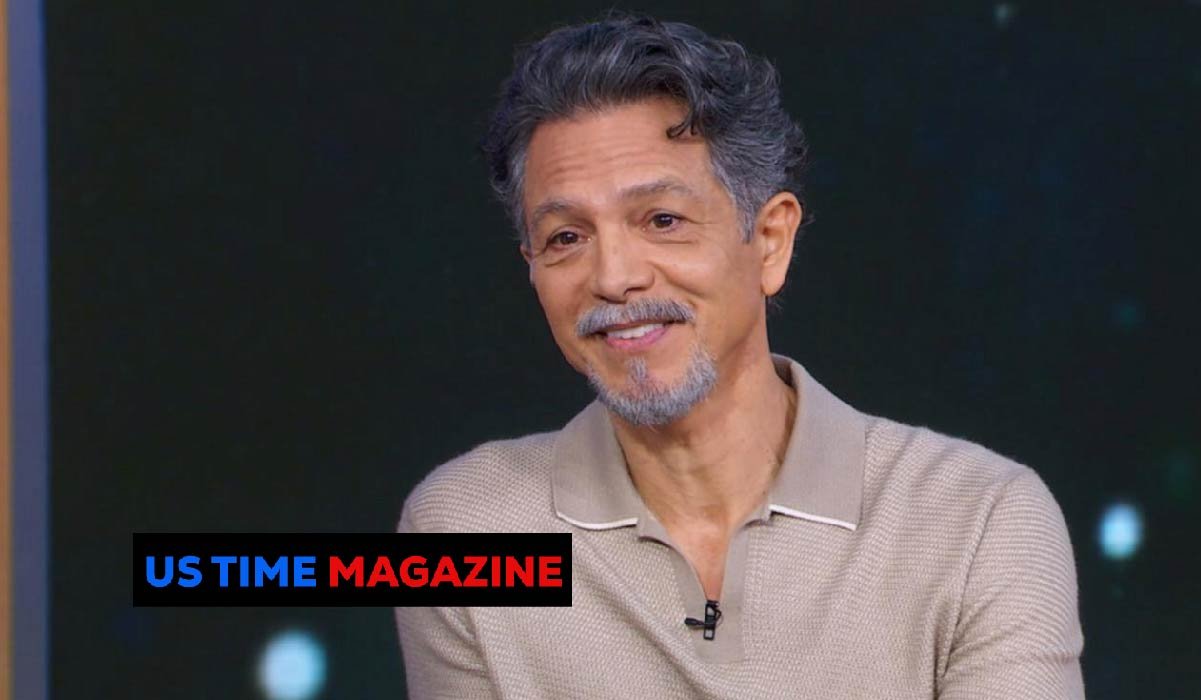
Benjamin Bratt
Benjamin Bratt is one of Eldy Banda’s most well-known children. He became a successful actor in Hollywood and gained wide recognition for his role as Detective Rey Curtis on the television series “Law & Order.” Over the years, he has appeared in many films and television shows, building a strong and respected career. Benjamin has often spoken about how much his mother influenced his life.
He credits Eldy Banda for teaching him pride in his Indigenous and Latino heritage, as well as the importance of social justice and cultural respect. Her activism and strong values helped shape the kinds of roles he chooses and the way he represents his background in the entertainment industry.
Peter Bratt Jr.
Peter Bratt Jr. is Eldy Banda’s eldest son and is known as a filmmaker and director. He has created meaningful films that focus on social issues and cultural identity. One of his most recognized works is the documentary “Dolores,” which tells the story of civil rights activist Dolores Huerta. His storytelling often reflects the lessons he learned from his mother about standing up for justice and honoring cultural roots. Like his brother, Peter has openly acknowledged that Eldy’s activism and strength played a major role in shaping his creative voice and commitment to telling powerful stories.
Other Children
Eldy Banda has five children in total, but the other three have chosen to live private lives away from public attention. There is limited public information available about them, as they are not involved in the entertainment industry like their two brothers. Eldy has always valued family privacy and focused on raising all her children with strong morals, education, and respect for their cultural heritage. Even though not all of her children are in the spotlight, they remain an important part of her life and legacy.
Role in the Alcatraz Protest Movement
Eldy Banda took part in the historic Native American protest known as the Occupation of Alcatraz, which began in 1969 and lasted until 1971. During this time, Native American activists occupied the former Alcatraz prison island in San Francisco Bay to demand respect for treaty rights, land rights, and better opportunities for Indigenous communities.
Eldy strongly believed in justice and equality, and she even brought her children to the island so they could understand the importance of standing up for their culture and rights. Her involvement showed her courage and deep commitment to Native American and Indigenous causes, and this experience had a lasting impact on her family, especially her sons, who later carried those values into their own careers.
Cultural Pride and Preservation of Quechua Identity
Eldy Banda made a strong effort to keep her Quechua heritage alive within her family. Living in the United States did not weaken her connection to her roots. Instead, she found ways to share stories, traditions, and values from her culture with her children. She spoke openly about their Indigenous background and helped them understand the history of their ancestors.
Cultural identity was not treated as something small or private but as something powerful and important. In a society where many immigrants feel pressure to blend in completely, she chose a different path by celebrating her heritage openly. This cultural pride helped her children develop confidence in who they were. It also influenced how they approached their careers and public lives. By preserving her traditions and passing them down, she ensured that her family remained connected to a history much older than any modern achievement.
Connection to Film and Television Projects
Although Eldy Banda’s main profession was nursing, she became connected to film and television through her family’s creative work. She was involved in projects such as “Follow Me Home,” a film released in 1996 that explored themes of identity and social awareness. She also had involvement in the television series “American Family,” which focused on Latino family life in the United States.
The series received critical attention and recognition, including Emmy recognition connected to the production. In 2008, she was also associated with the documentary “The Last Conquistador,” which earned a Cine Golden Eagle Award. Her role in these projects highlighted her support for meaningful storytelling that reflects real cultural experiences. Rather than seeking personal fame, her involvement showed her commitment to stories that promote understanding and respect.
Awards and Recognitions
Throughout her life, Eldy Banda received recognition connected to the creative projects she supported. The Emmy recognition linked to “American Family” demonstrated the quality and cultural importance of the storytelling involved. The Cine Golden Eagle Award for “The Last Conquistador” further reflected the impact of the documentary work connected to her family.
While she did not seek public praise, these acknowledgments represent the value of the projects she supported and helped bring to life. Beyond formal awards, her greatest recognition comes from the respect of her family and community. Many people view her as a quiet force behind meaningful change, someone who worked without demanding attention.
Net Worth and Financial Overview
Eldy Banda’s estimated net worth is around $500,000, built over decades of steady work as a nurse and through her connection to creative projects. Nursing provided her with a stable income, allowing her to support her children and maintain financial independence. Unlike celebrities whose wealth comes from fame, her financial life reflects consistent effort and careful management. Now retired, she lives comfortably and remains close to her family. Her story shows that financial stability can be achieved through dedication and responsible work, even without the public spotlight.
Personal Values, Beliefs, and Philosophy
At the center of Eldy Banda’s life are strong personal values that guided her choices. She believes in fairness, education, and respect for culture. She has always supported equal rights and encouraged others to stand up against injustice. Her philosophy centers on the idea that every person deserves dignity, no matter their background. These beliefs influenced how she raised her children and how she approached her career. She combined professional discipline with deep compassion, showing that strength and kindness can exist together. Her calm but firm personality helped her face challenges without losing hope.
Challenges She Overcame
As an immigrant woman of Indigenous heritage living in the United States during the mid-20th century, Eldy Banda faced real obstacles. Discrimination, limited opportunities, and cultural misunderstandings were common during that time. Balancing single motherhood with a demanding career required endurance and sacrifice. Instead of allowing these hardships to discourage her, she used them as motivation to push forward. Her resilience allowed her to build a stable life for her children and to remain active in causes she believed in. The challenges she faced did not define her negatively; instead, they strengthened her resolve.
Eldy Banda’s Legacy
Eldy Banda’s lasting impact comes from her strong values, cultural pride, and lifelong service to others. As a nurse, she cared for people with kindness and respect, and as an activist, she stood up for Indigenous rights during important moments like the Alcatraz protest. She raised her children with deep respect for their Quechua heritage and taught them to use their voices for justice and fairness.
Her influence can be clearly seen in the careers of her sons, who continue to highlight cultural identity and social awareness in their work. Even though she lives a quiet and private life today, her legacy remains strong through her family, her community work, and the values she passed on to future generations.
Conclusion
Eldy Banda’s life is a powerful example of strength, service, and cultural pride. From her early years in Lima, Peru, to building a meaningful life in the United States, she stayed true to her roots and values. She worked for many years as a nurse, helping people with care and compassion, while also standing up for Indigenous rights during important moments in history.
As a mother of five children, including Benjamin Bratt and Peter Bratt Jr., she shaped her family with lessons about identity, justice, and respect. Her story shows that real success is not only about fame or money, but about the lives we touch and the values we pass on. Eldy Banda’s journey continues to inspire through her quiet strength, dedication to family, and commitment to fairness and equality.
FAQs About Eldy Banda
1. Who is Eldy Banda?
Eldy Banda is a Peruvian-born nurse, Indigenous rights activist, and the mother of actor Benjamin Bratt and filmmaker Peter Bratt Jr. She is known for her work in healthcare and her involvement in Native American activism, especially during the Alcatraz protest movement.
2. When and where was Eldy Banda born?
Eldy Banda was born on March 22, 1940, in Lima, Peru. She later moved to the United States as a teenager and built her life in San Francisco, California.
3. What is Eldy Banda’s ethnicity?
Eldy Banda is of Quechua heritage, which is one of the largest Indigenous groups in South America. She has always been proud of her cultural roots and passed that pride on to her children.
4. How many children does Eldy Banda have?
Eldy Banda has five children. Her most well-known children are Benjamin Bratt, a Hollywood actor, and Peter Bratt Jr., a filmmaker and director.
5. Was Eldy Banda involved in the Occupation of Alcatraz?
Yes, Eldy Banda participated in the Native American Occupation of Alcatraz from 1969 to 1971. She supported the movement for Indigenous rights and even brought her children to witness this historic protest.
6. What was Eldy Banda’s profession?
Eldy Banda worked as a nurse for many years. She was known for her compassion, dedication, and commitment to caring for patients in both Peru and the United States.
7. What is Eldy Banda’s net worth?
Eldy Banda’s estimated net worth is around $500,000. Her financial stability came mainly from her long nursing career and her involvement in creative projects connected to her family.