Reliable Forklift Service and Its Role in Ensuring Safe and Efficient Industrial Operations

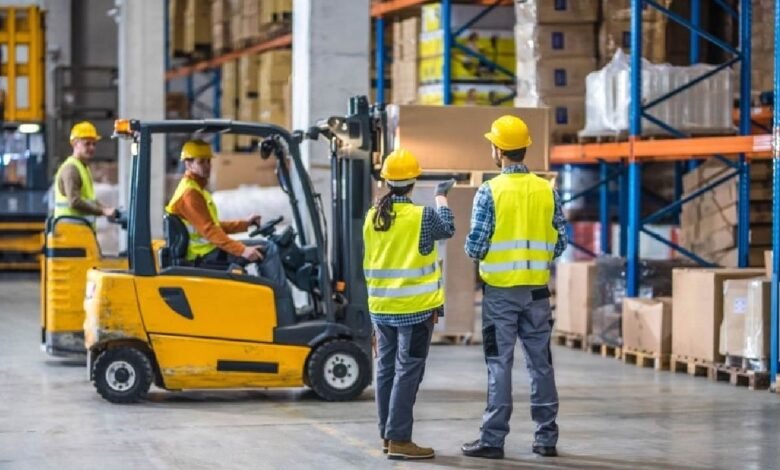
In modern industrial environments, material handling plays a critical role in maintaining productivity, safety, and operational efficiency. Whether in warehouses, manufacturing plants, construction sites, or logistics hubs, the movement of heavy goods requires precision, reliability, and well-maintained equipment. Among all material handling machinery, forklifts are among the most essential assets. However, their performance and safety depend heavily on consistent maintenance and professional support. This is where forklift service becomes an indispensable part of industrial operations, ensuring that machines remain in optimal condition and function without unexpected breakdowns or safety risks.
A well-structured maintenance approach not only extends the lifespan of forklifts but also improves workplace safety and reduces operational downtime. Businesses that rely heavily on material handling equipment understand that even a short interruption in forklift availability can disrupt entire supply chains, delay production schedules, and increase operational costs. As a result, regular servicing is not just a technical requirement but a strategic investment in business continuity.
Understanding the Importance of Regular Equipment Maintenance
Industrial forklifts are subjected to continuous heavy-duty usage, often operating in demanding environments where dust, heat, weight loads, and constant motion contribute to wear and tear. Without proper maintenance, even the most advanced machines can experience mechanical failures, hydraulic issues, or electrical malfunctions.
Regular maintenance ensures that every component of the forklift—from the engine and brakes to the hydraulic systems and lifting mechanisms—functions efficiently. A structured maintenance schedule helps detect minor issues before they escalate into major failures. For example, worn-out brake pads, leaking hydraulic fluid, or damaged forks can be identified and repaired during routine inspections, preventing costly downtime later.
Another critical aspect of maintenance is safety compliance. Forklifts that are not properly serviced pose serious risks to operators and surrounding workers. Malfunctions such as steering failure or load imbalance can lead to workplace accidents. Therefore, consistent servicing ensures that equipment meets safety standards and operates within regulatory guidelines.
Companies that prioritize forklift service often experience fewer accidents, lower repair costs, and improved overall productivity. Preventive maintenance also reduces emergency repair situations, which are typically more expensive and time-consuming.
Key Components Involved in Forklift Maintenance
A comprehensive forklift maintenance program involves multiple components that work together to ensure optimal performance. Each part of the machine requires specific attention based on its function and level of usage.
The engine or power system is one of the most important elements, as it directly influences the forklift’s operational strength. Regular oil changes, filter replacements, and fuel system checks help maintain engine efficiency. Ignoring these tasks can result in reduced performance or complete engine failure.
The hydraulic system is responsible for lifting and lowering heavy loads. Any leakage or pressure imbalance in this system can significantly impact lifting capacity and stability. Routine inspection of hydraulic cylinders, hoses, and fluid levels is essential for safe operation.
Braking systems also require frequent attention. Since forklifts often operate in tight spaces with heavy loads, reliable braking is crucial for preventing accidents. Worn brake components should be replaced immediately to maintain control and safety.Tires and wheels are another vital component. Depending on the working environment, forklift tires may experience rapid wear due to rough surfaces or heavy loads. Regular inspection ensures proper traction, stability, and load distribution.
Electrical systems, including batteries and wiring, also require monitoring. Faulty wiring or weak batteries can lead to operational failures or unexpected shutdowns. Proper servicing ensures uninterrupted performance and reduces the risk of electrical hazards.A complete forklift service approach addresses all these components systematically, ensuring that the machine remains in peak condition throughout its operational lifecycle.
Preventive Maintenance vs Reactive Repairs
One of the most important distinctions in equipment care is the difference between preventive maintenance and reactive repairs. Preventive maintenance involves scheduled inspections and servicing designed to prevent issues before they occur. Reactive repairs, on the other hand, take place only after a breakdown has happened.
Preventive maintenance is widely considered the more efficient and cost-effective approach. It allows technicians to identify early signs of wear and address them before they escalate into serious problems. This minimizes downtime and avoids unexpected disruptions in operations.
Reactive repairs, although sometimes unavoidable, are often more expensive because they involve emergency service calls, replacement parts, and lost productivity. In addition, repeated breakdowns can reduce the overall lifespan of the equipment.
Businesses that implement a structured forklift service schedule based on preventive maintenance typically experience smoother operations and better cost control. This proactive approach also improves safety by ensuring that equipment is always in reliable working condition.
The Role of Skilled Technicians in Equipment Reliability
Professional expertise plays a crucial role in maintaining industrial equipment. Skilled technicians are trained to identify mechanical issues, perform precise repairs, and ensure that forklifts meet performance standards. Their experience allows them to detect subtle signs of malfunction that may not be visible during casual inspection.
Technicians use specialized tools and diagnostic equipment to assess the condition of forklifts. This includes checking hydraulic pressure levels, analyzing engine performance, and inspecting structural components for stress or damage. Their expertise ensures that all repairs are carried out accurately and efficiently.
In addition to technical skills, experienced technicians also provide valuable advice on usage practices. For example, improper loading techniques or excessive usage can significantly reduce equipment lifespan. By guiding operators on correct handling methods, technicians help prevent unnecessary damage and improve operational efficiency.
A reliable forklift service provider ensures that technicians are well-trained, certified, and capable of handling different forklift models and technologies. This level of professionalism contributes significantly to workplace safety and equipment reliability.
Enhancing Workplace Safety Through Proper Servicing
Safety is one of the most important considerations in any industrial environment. Forklifts, due to their size and lifting capacity, can pose serious risks if not properly maintained. Equipment failure during operation can lead to accidents involving workers, inventory damage, and even structural harm to facilities.
Regular servicing ensures that all safety mechanisms, such as warning systems, brakes, and load sensors, are functioning correctly. It also ensures that structural components like forks and masts remain strong and stable under load conditions.Operator safety is directly linked to equipment condition. A well-maintained forklift responds accurately to controls, reducing the chances of accidents caused by mechanical failure. Proper lighting, horn functionality, and visibility features also contribute to safer operation in busy environments.
Workplace safety regulations often require businesses to maintain detailed service records for their equipment. These records demonstrate compliance with safety standards and help organizations avoid legal or regulatory issues. Implementing consistent forklift service procedures ensures that these requirements are always met.
Reducing Operational Costs Through Efficient Maintenance
While some businesses may view maintenance as an additional expense, it actually plays a significant role in reducing long-term operational costs. Regular servicing helps avoid major breakdowns that require expensive repairs or complete part replacements.
Well-maintained forklifts operate more efficiently, consuming less fuel or energy compared to poorly maintained machines. This leads to lower operational expenses over time. Additionally, reduced downtime means higher productivity, allowing businesses to complete more tasks within shorter timeframes.
Another financial benefit of proper maintenance is extended equipment lifespan. Forklifts that receive consistent care tend to last significantly longer, delaying the need for costly replacements. This improves return on investment and supports better financial planning for businesses.By investing in scheduled forklift service, companies can balance maintenance costs with operational efficiency, ultimately achieving greater profitability and sustainability.
Technological Advancements in Forklift Maintenance
Modern technology has transformed the way industrial equipment is maintained. Advanced diagnostic systems now allow technicians to identify issues with greater accuracy and speed. Digital monitoring tools can track performance data in real time, helping businesses anticipate maintenance needs before problems occur.
Predictive maintenance systems use sensors and data analytics to detect early signs of wear or malfunction. This technology enables more precise scheduling of service intervals, reducing unnecessary downtime and improving overall efficiency.
Electric forklifts have also introduced new maintenance requirements, focusing more on battery health and electronic systems rather than traditional engine components. As technology continues to evolve, maintenance practices are becoming more efficient, data-driven, and reliable.
Companies that adopt modern forklift service solutions benefit from improved accuracy, reduced maintenance costs, and enhanced equipment performance.
Importance of Choosing the Right Service Provider
Selecting a reliable service provider is essential for ensuring high-quality maintenance and long-term equipment performance. A professional provider should offer comprehensive services, including inspections, repairs, spare parts replacement, and emergency support.
Experience and technical expertise are key factors when choosing a service provider. Companies should look for providers who understand different forklift models and industries. Availability of genuine spare parts is also important for ensuring durability and compatibility.
Customer support and response time are additional considerations. In industrial environments, delays in repair services can significantly impact productivity. A dependable provider ensures quick response times and efficient problem resolution.A trusted forklift service partner becomes an essential part of business operations, helping maintain productivity and reduce operational risks.
Conclusion: Ensuring Long-Term Efficiency and Reliability
Forklifts are essential assets in modern industrial operations, but their performance depends heavily on consistent maintenance and professional care. A structured maintenance approach ensures safety, improves efficiency, reduces costs, and extends equipment lifespan.
From preventive maintenance and skilled technician support to technological advancements and safety compliance, every aspect of servicing plays a vital role in maintaining operational excellence. Businesses that prioritize regular servicing not only protect their equipment but also enhance overall productivity and workplace safety.
Investing in professional forklift service is ultimately an investment in reliability, efficiency, and long-term success.