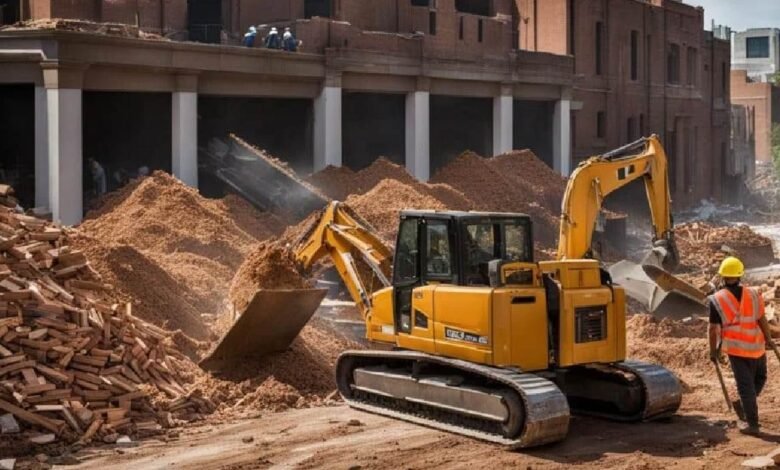
Some of the most satisfying home projects happen outside. An old cracked patio comes out to make way for pavers. A worn brick walkway gets replaced. A sloped yard is regraded, a lawn is stripped for xeriscaping, or a crumbling retaining wall is rebuilt. These projects can change how a property looks and works, but they share one challenge that often catches homeowners off guard: the debris is heavy.
Concrete, brick, stone, dirt and sod don’t behave like household junk. A pile that looks modest can weigh several tons. Planning for that weight from the start keeps the project on budget and on schedule.
Why Heavy Materials Need Different Handling
Most people judge debris by how much space it takes up. With heavy materials, weight matters far more than volume. A small mound of broken concrete can outweigh a large stack of old furniture, and disposal services price, load and haul these materials differently because of it.
That’s why heavy debris usually goes into containers built for the job. These containers are often lower and more compact than the ones used for general cleanouts. A short wall height makes it easier to toss in chunks of concrete or shovel in soil, and it discourages overfilling. A container sized around 12 cubic yards, roughly 13 feet long, 8 feet wide and 4 feet tall, is a common choice for this kind of work.
Projects That Produce Heavy Debris
Heavy debris comes from more home projects than many people expect. Typical examples include:
Patio and driveway removal, which produces large slabs and chunks of concrete.
Walkway and wall replacement, often leaving brick, block and mortar.
Landscaping and regrading, which can generate dirt, rock and gravel.
Sod removal for new garden beds or low-water landscaping.
Roofing work, where some materials add up to substantial weight.
Small demolition jobs, such as removing a shed foundation or old steps.
Knowing which of these materials will come out of a project helps when choosing the right container and estimating costs.
Weight Limits And Why They Matter
Heavy material containers usually come with a set weight allowance included in the rental price. If the load goes over that limit, overweight fees apply. This is one of the most common sources of unexpected cost on outdoor projects.
A few habits help keep weight under control:
Estimate before you book. Measure the area being removed and note its thickness.
Ask about the allowance. Confirm how much weight the price includes.
Watch the fill line. Don’t load above the marked level.
Separate materials. Keep different debris types apart where possible.
Call before adding more. If the job grows, check with the provider first.
When in doubt, describe the project to the rental company. Providers deal with these jobs every week and can usually tell you whether one container will be enough.
Keep Concrete Clean
Concrete deserves special attention. Many disposal providers treat clean concrete differently from mixed heavy debris because clean concrete can often be processed and reused. That can mean a container of only concrete is filled to the fill line under different terms than a mixed load.
The catch is that “clean” means just that. A load of clean concrete typically allows only concrete and any rebar embedded in it. If dirt, wood, trash or other materials get mixed in, the load may be treated as general debris and charged by total weight. Concrete containing rebar may also carry an extra charge, so it’s worth asking about before demolition begins.
The practical lesson is simple: decide in advance what each container is for. If a project produces both concrete and soil, it may make sense to keep them separate, either by filling one container at a time or by staging materials on tarps until the right container arrives.
Choosing The Right Container
Securing a heavy duty dumpster in Denver or any busy metro area follows the same basic logic. Match the container to the material, not just the size of the job. A large general-purpose container might seem like better value, but filling it with dirt or concrete can quickly exceed weight limits, and some providers won’t haul heavy materials in larger containers at all.
Before booking, ask:
Which materials are allowed in this container?
How much weight does the price include?
What are the overweight fees?
Are there extra charges for rebar or mixed loads?
How long is the rental period?
Clear answers make it much easier to compare quotes and avoid surprises at pickup.
Plan The Placement
Heavy containers need a stable spot. The delivery truck needs room to drop the container off and pick it up when full, so check for overhead branches, power lines, narrow gates and sloped ground. Placing the container close to the work area cuts down on wheelbarrow trips, which matters when every load is heavy.
Protecting the surface underneath is also worth a conversation. A loaded container puts real pressure on whatever it sits on. Ask the provider whether boards or other protection are recommended for a particular driveway or surface.
Loading Safely And Efficiently
Heavy debris is hard on the body. Break concrete into manageable pieces, use proper lifting technique and wear gloves, eye protection and sturdy boots. A wheelbarrow and a simple ramp can save a lot of strain.
Load evenly across the container rather than piling everything at one end. Even weight distribution makes the container safer to haul. Place larger slabs flat at the bottom and fill gaps with smaller pieces as you go.
Know What Doesn’t Belong
Heavy material containers have the same restrictions as most roll-off containers. Hazardous materials, chemicals, paint, oil and other liquids, tires and similar items are typically prohibited. Setting these aside early, and asking the provider where to take them, keeps the main cleanup moving and avoids extra fees.
A Solid Start To A Better Outdoor Space
Outdoor renovations often begin with demolition, and demolition outdoors means heavy debris. By estimating weight, keeping concrete clean, choosing a container built for heavy materials and asking the right questions before booking, homeowners can clear old patios, walls and soil without budget surprises. The less time spent worrying about debris, the more time there is to enjoy the finished space.