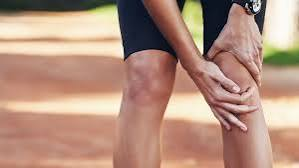
Have you lost your routine after a serious injury and wonder what to do next? Many people with major injuries face long-term pain and limits in daily tasks. This post will show how injuries affect mobility, work, money, and mood and give steps to cope.
Keep reading to find practical steps.
Physical Limitations and Chronic Pain
Injuries can make simple tasks hard. Many people feel tired all the time because of pain or limited movement.
Mobility challenges
Severe injuries limit walking and climbing stairs. They affect quality of life and daily routines.
Doctors recommend canes, walkers, wheelchairs, focused rehabilitation, and pain management. Families seek support systems, home modifications, and workplace accommodations to protect independence and address functional limitations.
Ongoing fatigue from injuries
Ongoing fatigue can follow serious trauma and injury. Muscles tire faster after injury. Sleep often stays poor despite rest. This fatigue can slow recovery and make rehabilitation tasks harder.
People may cut back on daily routines and lose some independence. Pain management and pacing help conserve energy. This constant tiredness can also affect mood and stress, linking to emotional and mental health impacts.
Emotional and Mental Health Impacts
Serious injuries can lead to deep emotional pain. Many people feel sad or anxious after experiencing trauma.
Depression and anxiety
Injuries can trigger long bouts of depression and anxiety. They often cause persistent emotional distress that lowers quality of life. Loss of interest in daily routines can harm recovery and independence.
Patients may fear re-injury and avoid needed activity. Reduced sleep and chronic pain make rehabilitation harder. Care plans should include mental health support and pain management to aid adaptation.
Post-Traumatic Stress Disorder (PTSD)
Post-Traumatic Stress Disorder (PTSD) often follows serious injuries. It can cause severe emotional distress. People may feel anxious or depressed after experiencing trauma. Flashbacks and nightmares are common symptoms.
Those affected might avoid places or activities that remind them of the injury. This avoidance can limit daily routines and independence.
Coping with PTSD requires support and treatment. Therapy can help individuals process their feelings and experiences. Support systems, including friends and family, play a crucial role in recovery.
Finding effective pain management strategies is also important for those facing these challenges; it helps improve quality of life while dealing with PTSD effects. The next section will discuss financial strain related to serious injuries.
Financial Strain
- Financial Strain: Serious injuries can cause a big drop in income. People may struggle with high medical bills and therapy costs.
Loss of income due to job limitations
Serious injuries can lead to job limitations. Many people cannot return to their old jobs or work full time. This loss of income creates stress for individuals and families. Bills pile up, making it harder to manage daily expenses.
Some may qualify for disability benefits, but these payments often do not replace full earnings. High medical bills add to the strain on finances. Patients face tough choices about treatment and care as they adjust to new realities in their lives.
High medical and rehabilitation costs
High medical and rehabilitation costs can be a heavy burden for those with serious injuries. Patients face many expenses, including hospital bills, surgeries, and ongoing therapy. These costs quickly add up and strain finances.
Insurance may cover some expenses, but coverage is often limited. Many people also need special equipment or home modifications to aid recovery; these items can be expensive.
Injured individuals might lose income due to their inability to work. This loss makes managing everyday expenses even more difficult. As bills pile up, stress increases; worry about money can hurt emotional health as well.
Serious injuries change lives in many ways, especially financially.
Changes in Social and Family Dynamics
Injuries can change how families and friends interact. These changes may lead to stress in relationships and more need for help from others.
Struggles with maintaining relationships
Serious injuries can make it hard to keep friendships and family bonds strong. Some people may feel isolated after their injury. They might miss social events because of pain or mobility issues.
If you are struggling with the repercussions of a serious injury, consulting a spinal cord injury lawyer in Ontario can help you understand your legal rights and options.
This can cause misunderstandings with friends who do not know what the injured person is going through.
Dependence on others often increases after an injury. Family members may need to help more, which can change dynamics in relationships. Caregivers may feel stressed as they balance helping someone else while keeping up with their own lives.
These shifts can create emotional distance, leading to frustration and sadness for everyone involved.
Increased dependence on caregivers
Many people with serious injuries find it hard to keep up with daily tasks. This can lead to needing more help from others. Simple activities like cooking, cleaning, or getting dressed may become difficult.
Caregivers play a big role in their lives. They assist with personal care and provide emotional support. This dependence can change family roles and dynamics. Relationships often shift as loved ones adjust their responsibilities.
Caregivers must balance their own needs while helping those who are injured. The need for assistance can impact the injured person’s sense of independence too.
Coping Strategies and Rehabilitation
Coping strategies play a key role in recovery. Finding support and therapy can help people adjust to new challenges.
Accessing support and therapy
Access to support and therapy is vital for recovery. These resources help with emotional distress and physical pain.
- Seek professional help. Therapists specialize in trauma and rehabilitation. They guide individuals through their feelings and challenges.
- Join support groups. Meeting others who understand can ease loneliness. Sharing experiences can build connections and provide comfort.
- Explore online therapy options. Many platforms offer virtual sessions with licensed professionals. This can be convenient for those with mobility issues.
- Contact community resources. Local organizations may offer free or low-cost services, including counseling or physical therapy.
- Talk to family members about needs. Open conversations can help them understand how to provide better support during recovery.
- Utilize pain management programs if needed. These programs focus on practical techniques, like relaxation exercises and medication management.
- Keep a journal to track feelings and progress over time. Writing down thoughts can be therapeutic and serve as a useful tool for therapy discussions.
- Schedule regular appointments with healthcare providers for ongoing check-ups, adjustments in treatment plans, or referrals to specialists if necessary.
Finding the right support plays a key role in enhancing quality of life after serious injuries, setting the stage for further discussions about developing long-term adjustment plans.
Developing long-term adjustment plans
Long-term adjustment plans help individuals cope with serious injuries. These plans guide recovery and improve daily life.
- Set clear goals for recovery. Goals should be realistic and achievable. They provide direction during the healing process.
- Establish a routine that includes therapy sessions. Regular therapy promotes mobility and strength. A set schedule can create structure in life.
- Create a support network of friends and family. This network offers emotional support and practical help. They can assist with daily tasks or just listen when needed.
- Learn about pain management techniques. Understanding different methods can help control discomfort. This knowledge leads to better quality of life.
- Explore new hobbies or activities that accommodate physical limits. Finding enjoyable alternatives keeps spirits high and fosters independence.
- Seek professional guidance for mental health needs such as counseling or support groups. Professional help can ease emotional distress related to trauma.
- Develop coping strategies for unexpected challenges during recovery, such as stress-relief exercises or mindfulness practices; these strategies promote resilience in daily routines.
Next, understanding the effects on emotional and mental health is vital for complete recovery from serious injuries.
Conclusion
Serious injuries can change daily life in many ways. They bring challenges that affect mobility and cause pain. Emotional health can also suffer, leading to feelings of anxiety or depression.
Financial burdens may arise from medical costs and lost income. Finding support and creating a recovery plan are key steps for dealing with these changes. Adjusting takes time, but it is possible to regain some control over life again.