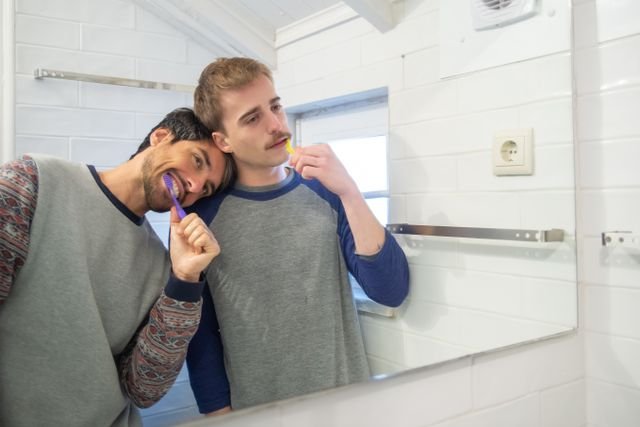
How many teeth brushing habits are you actually practicing beyond simply running a toothbrush across your teeth? Most people follow the same basic routine every morning and evening without considering whether their method truly protects their dental health. Small adjustments to your brushing technique and surrounding habits can make a measurable difference in your oral hygiene outcomes over time. Building better teeth brushing habits does not require drastic changes. It involves integrating simple, evidence-based practices into the routine you already follow.
1. Time Your Brushing for Maximum Effectiveness
The duration of your brushing session matters more than many people realize. Dentists generally recommend brushing for at least two minutes, yet most people spend only 30 to 60 seconds at the sink. This abbreviated timeframe does not allow enough time to thoroughly clean all surfaces of your teeth, particularly the back molars and the gum line where plaque tends to accumulate. Setting a timer on your phone or using a toothbrush with a built-in timer creates accountability and ensures you are meeting this basic requirement.
Beyond the two-minute guideline, consider the timing of when you brush relative to meals. Brushing immediately after consuming acidic foods or drinks like citrus, soda, or wine can damage your tooth enamel because the acid has already softened it. Instead, wait 30 minutes after consuming these items before brushing, or rinse your mouth with water first. This simple timing adjustment protects the structural integrity of your teeth while still removing harmful bacteria and food debris.
2. Master the Correct Brushing Technique
Many people brush their teeth in a back-and-forth sawing motion, which is inefficient and can damage gum tissue over time. The proper technique involves holding your toothbrush at a 45-degree angle to your gums and using short, gentle strokes. This angle allows bristles to clean both the tooth surface and the gum line simultaneously, which is where plaque and bacteria accumulate most densely. Spending extra time on the inner surfaces of your teeth, which are often neglected, helps you catch plaque in areas you typically cannot see.
Dividing your mouth into sections ensures you do not rush through your routine or miss entire quadrants. Spend approximately 30 seconds on your upper left teeth, then move to the upper right, lower left, and lower right sections. Do not forget the chewing surfaces of your molars, where food particles frequently get trapped. This systematic approach transforms brushing from a mindless habit into a deliberate, thorough cleaning process.
3. Upgrade Your Toothbrush Selection Regularly
The quality of your toothbrush directly affects your brushing effectiveness. Soft-bristled toothbrushes are generally recommended because they clean effectively without damaging gum tissue or wearing away tooth enamel. Harder bristles create the false impression of a deeper clean while potentially causing gum recession and enamel erosion. Medium and hard bristles should typically be avoided unless specifically recommended by your dentist for a particular reason.
Replacing your toothbrush every three to four months is a habit many people overlook, yet bristles degrade significantly with regular use. Frayed, worn bristles do not clean as effectively and can irritate your gums. Some people find that electric toothbrushes improve their results because the oscillating or rotating motion handles much of the work automatically, requiring less technique precision. Whether you choose a manual or electric option, ensuring your brush is in good condition matters more than the specific brand or style you select.
4. Incorporate Flossing Into Your Daily Routine
Brushing alone cannot remove plaque and food debris from between your teeth and beneath the gum line, which is where cavities and gum disease often begin. Flossing should happen at least once daily, ideally before bedtime so bacteria do not accumulate overnight. Spending just two to three minutes flossing removes the debris and plaque that your toothbrush cannot reach, dramatically improving your overall oral health. Many people skip this step because it feels like an extra chore, but viewing it as an essential part of your brushing routine rather than a separate task makes it easier to maintain consistently.
If traditional string floss feels awkward, alternative methods exist that accomplish the same goal. Interdental brushes, water flossers, and floss picks all remove debris between teeth when used correctly. The best flossing method is the one you will actually use consistently, so experimenting with different options helps you find what works for your lifestyle. Once you establish flossing as a non-negotiable part of your evening routine alongside brushing, it becomes automatic rather than optional.
5. Rinse Your Mouth Strategically
After brushing and flossing, rinsing your mouth with water removes loosened debris and residual toothpaste. However, many people rinse aggressively with mouthwash immediately after brushing, which can reduce the effectiveness of fluoride in your toothpaste. If you want to use mouthwash, consider rinsing with it at a different time, such as after meals when you cannot brush. For post-brushing rinsing, a gentle water rinse is sufficient and allows fluoride to continue protecting your teeth.
Some dentists recommend a light rinse with just a small amount of water rather than a vigorous rinse, as this preserves more of the fluoride’s protective benefits. Those focused on enamel remineralization during their brushing sessions often rely on nano hydroxyapatite toothpaste to support tooth repair throughout the day, making the choice of toothpaste an important companion to strategic rinsing habits. Your teeth continue benefiting from fluoride exposure for hours after brushing, so minimizing rinsing extends this protective window. If you prefer stronger breath freshness, waiting several hours after brushing before using mouthwash achieves both goals without compromising your fluoride protection.
Conclusion
Building better teeth brushing habits requires attention to multiple factors that work together to improve your oral health. From timing your brushing to mastering technique, selecting appropriate tools, and incorporating complementary habits like flossing and strategic rinsing, each element serves a specific purpose in your overall dental care. These adjustments are simple enough to implement gradually without overwhelming your daily routine. Starting with one or two changes and building from there makes the transition easier than attempting to overhaul your entire routine at once. Consistency matters far more than perfection, so focus on making these habits automatic parts of your daily schedule rather than occasional practices.