You want a safe place for your pet but worry about the care. Many facilities differ in cleanliness, staff skills, and vaccination rules. This post shows what to check and what questions to ask.
Keep reading.
Cleanliness and Environment
Cleanliness is key in any pet care facility. A clean space ensures pets stay healthy and happy while they are there.
Proper sanitation of cages, bowls, and play areas
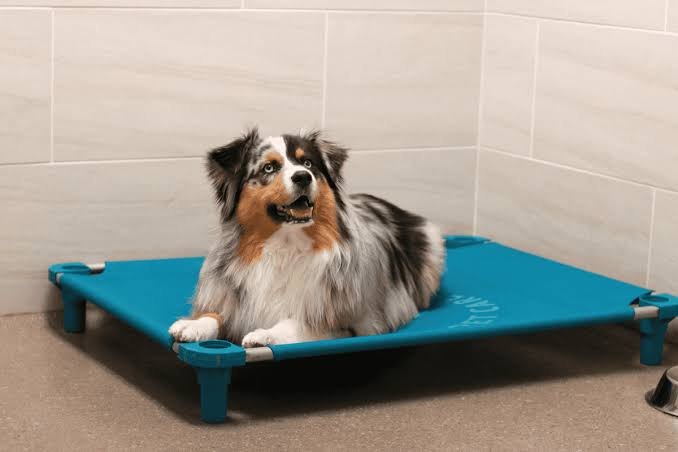
Staff must sanitize cages and bowls every day. They must clean play areas after each session.
- Use hospital-grade disinfectants on all surfaces to meet sanitation protocols for pet boarding and dog daycare.
- Change water and food bowls after each meal to stop bacteria and protect pet wellness.
- Schedule deep clean of enclosures weekly, and scrub floors and walls to remove odors and grime.
- Sanitize play surfaces after every playtime group to lower cross-infection risk and keep health protocols active.
- Handle bedding and toys with gloves and wash them in hot water to kill parasites and germs.
- Keep cleaning logs and inspection records on file so staff can track sanitation steps and facility evaluation.
- Isolate and deep clean areas used by sick animals immediately to prevent spread and protect other pets.
- Dispose of waste in sealed containers and follow local rules for pet waste removal to keep grounds safe.
Well-maintained climate control for pet comfort
Proper climate control keeps pets safe and calm in pet boarding and dog daycare. Facilities should keep temperatures near 65 to 75°F for most animals. Humidity should stay around 30 to 50 percent.
Stable air prevents heatstroke and hypothermia in small, young, or senior pets.
Regular HVAC checks and filter changes help maintain clean air. Backup power or portable units protect pets during outages. Caregivers can house pets by size or health in separate enclosures.
Clear health protocols and attention to pet wellness reduce stress and illness.
Safety and Security
Safety is key when picking a pet care facility. Check for secure gates and fences to keep pets safe inside.
Secure double-gated entries and high fences
Double-gated entries reduce escape risk for dogs and other pets. High fences keep animals inside play areas and block outside distractions. These enclosures and safety measures belong on any facility evaluation checklist for pet boarding or dog daycare.
Emergency protocols for fires, power outages, and illnesses
Safety must be a top priority at any pet care facility. You want to know how they handle emergencies.
- Staff members should have clear roles during a fire or other emergency. They must act quickly and calmly.
- The facility needs a fire alarm system that works well. Regular checks on the system are necessary to keep it reliable.
- Emergency exits should be easy to access for both staff and pets. Signs indicating these exits must be visible throughout the building.
- A plan for power outages is essential. Facilities should have backup generators to ensure lights and heating stay on.
- Caregivers must know what to do if a pet becomes ill suddenly. Quick access to veterinary care can save lives in these situations.
- Having first aid kits readily available is vital for any unexpected injuries or health issues.
- Staff training on how to handle various emergencies is crucial. Frequent drills will prepare everyone for real-life situations.
- Clear communication with pet owners about emergency plans fosters trust and adds peace of mind when choosing a boarding service.
Essential safety measures help protect your pets from various threats while they are away from home, making the selection of a quality pet care facility even more important as you look for daycare services or pet boarding options.
Staff Qualifications
Staff qualifications are key in a pet care facility. Trained team members understand animal behavior and can manage stress effectively. They should also be ready to give medications if necessary.
Trained staff knowledgeable in animal behavior and stress management
Trained staff understand animal behavior well. They know how pets act in different situations. This knowledge helps them reduce stress for the animals. Caregivers handle each pet with care and kindness.
They are ready to provide comfort during challenging times.
Some staff members can give medications if needed. This skill is vital for pets with health issues. A caring team ensures that every pet feels safe and secure while at the facility. Nervous dogs can find a first stay stressful, and owners who choose the best CBD for dog anxiety should mention it at booking so staff add it to the care sheet.
Their training supports a calm environment, which benefits all animals staying there.
Caregivers equipped to administer medications if needed
Staff members should have the skills to give medications to pets. They must know how to handle pills and injections safely. This is crucial for pets with health issues or those needing regular medication.
Caregivers often work closely with veterinarians. They stay updated on each pet’s medical needs. This ensures that all pets receive proper care while at the facility. The ability of caregivers to administer medications shows a commitment to animal welfare and safety in pet care services.
When choosing a facility, always prioritize pet safety by ensuring that sanitary practices are strictly followed.
Health and Vaccination Requirements
Pets must have core vaccinations to stay at a care facility. These can include rabies and Bordetella, which help keep pets safe and healthy.
Mandatory proof of core vaccinations like rabies and Bordetella
Core vaccinations are essential for the health of all pets. Facilities often require proof of these shots before allowing pets to board.
- Rabies vaccination protects pets and people from a deadly virus. Most states require this vaccine by law.
- Bordetella vaccination prevents kennel cough, a contagious respiratory illness. This is crucial for dogs in daycare or boarding.
- Proof of vaccination must come from a veterinarian. A valid certificate should include the pet’s name, type of vaccine, and date given.
- Some facilities may ask for additional vaccines. These can include distemper and parvovirus vaccines, depending on their policies.
- Check if the facility has specific requirements for special health conditions. Requirements may change based on local outbreaks or guidelines.
- Ask about how they handle unvaccinated pets. Facilities may have strict rules to ensure the safety and health of all animals present.
Policies for handling pets with special health conditions
When considering dog boarding in New Westminster, it’s important to assess how well the facility maintains its cleanliness and sanitation practices.
Facilities should have clear policies for handling pets with special health conditions. They must assess each pet’s needs carefully. Staff should be trained to manage these conditions well.
For example, they may need to give medications on time or follow a specific diet.
Clear communication is key. Owners should provide all details about their pet’s health issues upfront. This helps the staff ensure proper care and safety during stay or daycare services.
Facilities that prioritize animal welfare will handle these situations better and help keep pets healthy and happy while in their care.
Questions to Ask Before Booking
Ask about the daily activities for pets and how much supervision they have. It is key to understand their rules for special diets or medical needs.
Daily activity schedules and supervision levels
Daily activity schedules show how pets spend their time at the facility. They should have a mix of playtime, rest, and socialization. Look for facilities that offer structured activities to keep pets engaged and happy.
Supervision levels matter too. Staff should be present during all activities to ensure safety. Trained caregivers monitor interactions between pets. This keeps everyone safe and reduces stress for the animals.
Inspecting daily routines can help you pick the best place for your pet’s needs.
Policies for accommodating dietary or medical needs
Facilities should have clear policies for pets with dietary or medical needs. Ask how they handle special diets. Some pets need certain foods due to allergies or health issues. Check if staff can prepare and serve these meals correctly.
For medical needs, care facilities must have trained staff. They should know how to give medications on time and in the right way. It’s also important for them to understand pet health conditions.
Clear communication about your pet’s requirements is key for their well-being. Make sure the facility you choose prioritizes these policies for optimal care.
Conclusion
Choosing the right pet care facility is vital for your furry friend. Look for cleanliness and safety first. Check if the staff are qualified and know how to care for pets. Ask about health requirements and emergency plans.
A great facility will keep your pet happy and healthy while you are away.