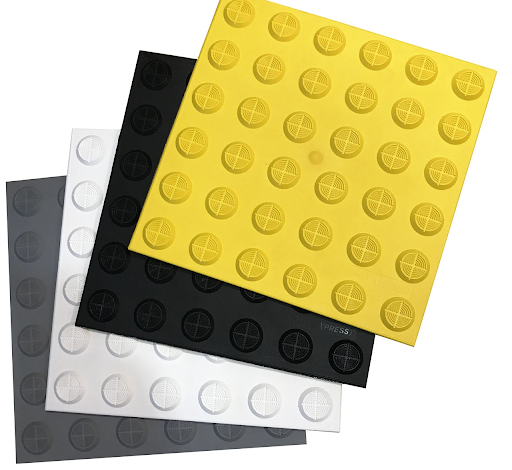
Tactile indicators play a crucial role in enhancing accessibility and safety for individuals with vision impairments. These raised surface patterns, often found on walking surfaces, provide essential tactile feedback that helps users navigate complex environments safely and independently. The implementation of tactile indicators is increasingly mandated under accessibility standards globally, reflecting the importance of equitable access in public spaces.
Understanding Tactile Indicators
Tactile indicators, also known as detectable warning surfaces, are designed to be detected underfoot or with a cane. They can be found in various settings such as pedestrian crossings, train platforms, public buildings, and help notify users of upcoming hazards or changes in the environment. Typically, these indicators consist of domed or linear raised patterns that convey distinct information through touch.
Types of Tactile Indicators
There are principally two types of tactile indicators: warning tactile indicators and directional tactile indicators. Warning tactile indicators feature truncated domes to alert users of immediate hazards like platform edges or street crossings. Directional tactile indicators, meanwhile, provide guidance along safe pathways, typically using linear raised bars that direct foot traffic flow.
Materials and Durability
Tactile indicators are manufactured from a range of durable materials including stainless steel, aluminium, rubber, and specialised composites. The choice of material depends on the installation environment, expected foot traffic, and longevity requirements. Resistant to weathering and wear, these materials ensure the tactile indicators maintain functionality over extended periods, thereby sustaining accessibility and safety.
Compliance and Standards
Compliance with national and international standards is vital when selecting and installing tactile indicators. In Australia, the Australian Standards AS/NZS 1428.4.1 specify detailed requirements for tactile ground surface indicators. Adhering to these standards guarantees that tactile indicators meet the needs of people with disabilities while creating unified and predictable tactile cues.
Installation Considerations
Proper installation is critical to the effectiveness of tactile indicators. They must be securely fixed to the surface to prevent displacement or damage, which could compromise safety. Installation locations require careful assessment to ensure tactile indicators are placed strategically where they will provide maximum benefit without creating trip hazards for other pedestrians.
Impact on Accessibility
The presence of tactile indicators significantly improves the accessibility of environments by empowering individuals with vision impairments to identify hazards and safely navigate public spaces independently. This not only promotes inclusivity but also aligns with broader social and legal obligations to provide accessible environments for all users.
Technological Innovations
Recent advancements in tactile indicator technology include improved materials that enhance detectability and durability. Some systems integrate contrasting colours to aid people with low vision, while others incorporate advanced installation techniques to ensure the indicators remain effective in various weather conditions and heavy pedestrian traffic.
Challenges and Limitations
Despite their benefits, tactile indicators must be implemented thoughtfully. Improper designs or placements can lead to confusion or potential safety risks. Additionally, maintenance can be challenging; damaged or worn indicators may fail to provide the necessary tactile feedback, undermining their purpose.
Training and Awareness
Educating architects, contractors, and property managers about the importance of tactile indicators is essential to promote correct application and ongoing maintenance. Awareness campaigns can also inform the public about the purpose of these indicators, enhancing their overall utility within public spaces.
Environmental Considerations
Environmental impacts are a factor in the selection of tactile indicators. Sustainable materials and eco-friendly manufacturing processes are increasingly being adopted to mitigate the environmental footprint of these safety features. This ensures a balance between accessibility, safety, and environmental responsibility.
The Role of Safety Xpress
Safety Xpress is a recognised supplier of high-quality tactile indicators in Australia. They provide solutions that comply with the relevant standards, offering a range of products suited to different environments and requirements. Their expertise supports organisations in fulfilling their accessibility obligations reliably and efficiently.
Future Directions
The future development of tactile indicators is poised to benefit from ongoing technological advancements and evolving standards. Enhanced designs focusing on multi-sensory feedback and integration with smart city infrastructure are some potential directions. These innovations aim to further improve the safety and independence of individuals with vision impairments.
Conclusion
Tactile indicators are indispensable components of accessible and safe environments. Their implementation is a clear demonstration of commitment to inclusivity and consideration for diverse user needs. Understanding their function, selecting appropriate types, ensuring compliance, and maintaining them effectively are essential steps towards creating public spaces that are navigable and secure for everyone.