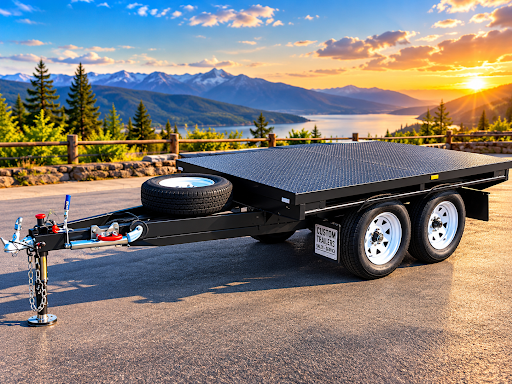
Flat top trailers are a vital component in many transportation and logistics operations, offering flexibility and efficiency for hauling a wide range of goods. These trailers have become increasingly popular due to their versatility and ability to accommodate various cargo sizes and types. This guide explores the features, benefits, and best practices for maximising hauling efficiency with flat top trailers.
One of the key aspects to consider when selecting the right equipment for transportation tasks is the use of flat top trailers. Their flat, open deck design allows for easy loading and unloading of materials, making them suitable for industries such as construction, agriculture, and manufacturing.
Understanding Flat Top Trailer Design
Flat top trailers are characterised by a flat deck with no fixed walls or sides, providing an unobstructed platform for carrying cargo. This design enables operators to transport oversized or irregularly shaped items that cannot fit into enclosed trailers. The simplicity of the design also reduces maintenance requirements compared with other trailer types.
Advantages of Using Flat Top Trailers
Among the advantages are the ability to load cargo from the sides, rear, or top, providing greater flexibility in handling. The open platform makes securing cargo with straps, chains, or tarps straightforward, ensuring safety during transit. Additionally, flat top trailers generally have a lower tare weight, which can increase payload capacity and improve fuel efficiency for the hauling vehicle.
Applications Across Industries
Flat top trailers are widely used in sectors requiring the transport of heavy machinery, construction materials, and large equipment. Their adaptability makes them suitable for moving steel structures, pipework, and other bulky items. In agriculture, these trailers assist in hauling hay bales, farm equipment, and other agricultural products efficiently.
Choosing the Right Flat Top Trailer
There are various types and sizes of flat top trailers available to match specific hauling requirements. Factors to consider include the trailer’s load capacity, deck dimensions, and compatible hauling vehicles. Site operators should evaluate the typical cargo they intend to transport and select a trailer that balances capacity with manoeuvrability.
Load Capacity and Dimensions
The load capacity should always exceed the maximum weight of the cargo to ensure safe and legal transport. Standard flat top trailers come in lengths ranging from 20 feet to over 50 feet, with widths typically around 8.5 feet, although customised options are available. The height of the deck also affects loading operations and clearance under bridges or overhead structures.
Material and Build Quality
Flat top trailers are commonly constructed from steel or aluminium. Steel trailers offer robustness and durability for heavy-duty tasks, while aluminium options are lighter, potentially increasing payload and reducing fuel consumption. Selecting the appropriate material depends on the nature of the cargo and operational conditions.
Best Practices for Loading and Securing Cargo
Efficient loading is critical to maximise hauling productivity and maintain safety. Operators should plan the loading sequence to distribute weight evenly across the trailer deck. Centralising the heaviest items and positioning them over the axles helps maintain balance and reduces wear on the equipment.
Securing cargo properly is equally important. Using appropriate restraints such as ratchet straps, chains, and binders ensures that loads remain stable during transit. It is essential to inspect restraints regularly and tighten them as needed, particularly after the initial kilometres of the journey.
Maintaining Flat Top Trailers for Longevity
Regular maintenance of flat top trailers contributes to their operational efficiency and safety. Key checks include tyre condition and pressure, brake system functionality, and structural integrity of the deck and frame. Corrosion prevention measures, such as applying protective coatings and cleaning after exposure to harsh environments, extend the lifespan of the trailers.
Regulatory Compliance and Safety Standards
Operators must ensure that flat top trailer usage complies with relevant transport regulations. This includes adhering to load limits, securing cargo according to established standards, and maintaining trailers in good working order. Compliance not only enhances safety but also helps avoid penalties during inspections.
Technological Innovations in Flat Top Trailers
Recent advancements have introduced features such as integrated loading ramps, adjustable decks, and telematics systems for load monitoring. These innovations improve handling convenience, cargo safety, and operational oversight, enabling businesses to maximise efficiency and reduce downtime.
Training and Skill Development
Investing in driver and operator training is essential to harness the full potential of flat top trailers. Understanding the correct loading techniques, safety practices, and trailer handling improves overall performance and reduces the risk of accidents.
Environmental Considerations
Using flat top trailers can contribute to sustainability efforts by optimising load capacity and reducing the number of trips required. Additionally, choosing lighter trailers and maintaining fuel-efficient hauling vehicles can lower carbon emissions associated with transportation.
Conclusion
Maximising hauling efficiency with flat top trailers requires a combination of selecting the appropriate equipment, adhering to best practices in loading and securing cargo, and maintaining trailers properly. By leveraging the benefits of flat top trailers, businesses can enhance operational productivity, ensure safety, and reduce costs across multiple industries.