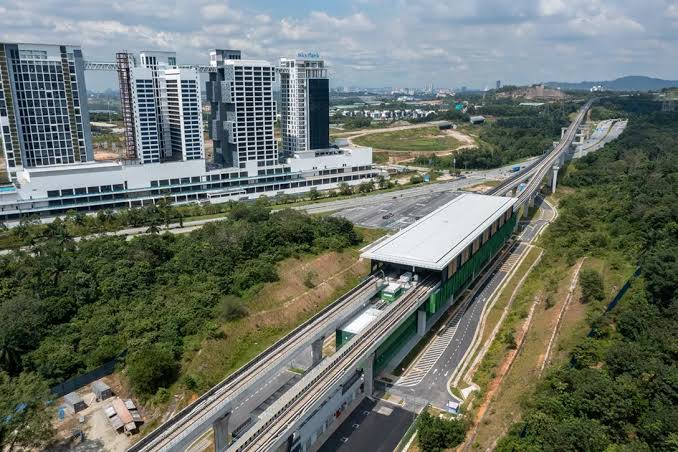
For condo buyers in Malaysia, the nearest MRT station can carry nearly as much weight as the unit’s floor level, view, or fitted kitchen. A sleek lobby is nice. A short walk to the train on a rainy weekday morning is often nicer.
Transit-oriented development, commonly called TOD, has become a major talking point around Greater Kuala Lumpur. As rail lines expand and commuting patterns shift, homes near MRT stations are attracting attention from young professionals, families, investors, and even downsizers who are tired of long drives.
Still, being “near an MRT” is not a magic phrase that guarantees a premium. Distance, walkability, station quality, surrounding amenities, supply levels, and neighbourhood reputation all play a role. Some condos benefit enormously from rail access. Others sit close enough to hear the trains but not close enough to enjoy the convenience.
Why MRT Access Matters to Condo Buyers
Kuala Lumpur traffic has a way of testing anyone’s patience. A journey that looks manageable on Google Maps can become a slow-moving queue of brake lights before 8am. For residents travelling towards the city centre, Bangsar, Bukit Bintang, KL Sentral, Tun Razak Exchange, or Damansara, MRT access offers something increasingly valuable: predictability.
A train timetable may not always be perfect, but it is usually easier to plan around than a jam on the Federal Highway or Jalan Tun Razak. This practical advantage affects how buyers view a property. A condo near a station may save time, reduce petrol costs, cut toll spending, and lessen the daily headache of finding parking.
For younger buyers, especially those working in corporate offices or city-centre businesses, the appeal goes beyond transport. Living near rail often means being closer to cafés, supermarkets, clinics, gyms, and weekend hangouts. Developers know this, which is why newer projects increasingly market lifestyle convenience alongside built-up size and facilities.
The Price Premium: What Buyers Are Really Paying For
Condo prices near MRT stations often carry a premium because buyers are paying for location efficiency rather than just square footage. A smaller unit with a well-connected address may command stronger demand than a larger unit in a car-dependent suburb.
That said, the size of the premium varies. In mature areas with limited new land, such as parts of Petaling Jaya, Bangsar, Taman Tun Dr Ismail, and central Kuala Lumpur, rail-linked homes can remain highly sought after. There are established schools, retail options, workplaces, and social infrastructure already in place. The MRT simply strengthens an area that buyers already value.
In newer growth corridors, the outcome can be less straightforward. New stations may trigger excitement, but prices need time to settle into a realistic range. If several high-rise projects launch around the same station at once, buyers gain more choice. A station nearby is helpful, yet it may not fully protect a unit from heavy competition during resale or rental periods.
The Sweet Spot Is Often Walkable, Not Just Nearby
Property advertisements are fond of phrases such as “minutes from MRT”. That can mean a comfortable stroll, a five-minute drive, or a rather optimistic journey involving uncovered pavements and several road crossings.
In practical terms, a condo within roughly 400 to 800 metres of a station often has the strongest appeal. Residents can walk there without turning the journey into a mini expedition. Covered walkways, proper crossings, lighting, and sheltered drop-off areas matter a great deal in Malaysia’s heat and sudden downpours.
A condo located 1.5 kilometres away may still benefit from the MRT, especially if feeder buses, shuttle services, or safe cycling routes are available. Yet the convenience is weaker. Once a resident needs to drive to the station, find parking, and walk across a large transport interchange, the simple charm of rail living starts to fade.
Not All MRT Stations Create Equal Value
Stations connected to major employment hubs, retail centres, and interchange networks usually have a stronger effect on condo demand. A station that links residents directly to several parts of Klang Valley offers flexibility. That flexibility becomes especially attractive for households where family members work or study in different areas.
Stations around commercial districts tend to attract renters, while stations near established residential communities may appeal more to owner-occupiers. Investors often look at this difference closely. A unit near offices may enjoy weekday rental demand, while a family-focused neighbourhood may offer steadier long-term resale interest.
The character of the immediate surroundings also matters. Buyers tend to favour stations with safe access, food options, convenience stores, banks, pharmacies, and a clean public realm. Nobody expects every MRT entrance to resemble a glossy overseas postcard, but a lonely station beside a highway is unlikely to create the same pull as one embedded within an active neighbourhood.
How Developers Use MRT Connectivity as a Selling Point
Developers have become increasingly creative with transit-linked marketing. Some projects are directly connected to stations through covered bridges or retail podiums. Others offer shuttle buses during peak hours. A few are designed around mixed-use concepts, placing homes, shops, offices, and rail links within one precinct.
These arrangements can be genuinely useful, particularly for residents who want a lower-car lifestyle. Projects such as M Astra reflect the growing interest in developments that sit within reach of public transport and key urban routes.
Buyers still need to read beyond the brochure. “Connected” may refer to a future link, a planned route, or a station that requires a longer walk than expected. Checking the route in person is sensible. Visit during a hot afternoon if possible. If the walk feels uncomfortable at 3pm, it may feel even less appealing during a storm with a laptop bag in hand.
Rental Demand Near MRT Stations
For investors, MRT proximity can broaden the pool of potential tenants. Young executives, university students, expatriates, and people without cars often place rail access high on their wish list. In Kuala Lumpur and Selangor, tenants working around KLCC, TRX, Pasar Seni, Bukit Bintang, and major business parks may willingly trade extra space for an easier commute.
Rental strength still comes down to the full package. A well-located condo with poor maintenance, limited parking, ageing facilities, or an awkward layout may struggle against newer alternatives. Likewise, a station-facing view may sound impressive until the resident realises the bedroom is exposed to noise from early morning until late evening.
Units with sensible layouts, reliable management, furnished interiors, and practical access to shops often perform better than units relying on MRT proximity alone. Rail is a strong drawcard, not a substitute for basic liveability.
Potential Downsides Buyers Should Consider
Living close to an MRT station is not all smooth rides and saved petrol money. Noise can be a concern, especially for units facing tracks, elevated structures, or busy station entrances. Privacy may also be affected where surrounding buildings overlook the development.
Another issue is density. Transit-oriented areas often attract taller developments and more commercial activity. This can create convenience, but it can also lead to crowded roads, limited visitor parking, and competition for nearby facilities. Weekend traffic around popular malls or interchange stations can be surprisingly tiring.
Buyers should also check whether a future station or rail alignment is confirmed, under construction, or merely proposed. Property decisions based on a possible transport project carry more uncertainty. Plans change, timelines stretch, and construction can disrupt a neighbourhood for years. Malaysian property buyers have seen enough delayed announcements to remain sensibly cautious.
What to Check Before Buying a Transit-Linked Condo
A careful viewing can reveal more than an online listing. Walk from the condo to the station and time the journey. Look for shaded paths, traffic lights, pedestrian crossings, drains, dark corners, and any stretches that feel unsafe after sunset.
Check the actual walking distance, rather than relying on promotional maps.
Visit during peak hours to see traffic, crowds, and noise levels.
Ask about parking availability, especially if the household still uses a car.
Review nearby competing condo projects and upcoming launches.
Assess rental demand based on local employers, colleges, and commercial activity.
Inspect whether the station offers direct links to major work and lifestyle areas.
A buyer who works from home may value MRT access differently from someone commuting five days a week. Families may prioritise schools and space over being next to a station. Investors may focus more heavily on tenant profiles and future supply. The right choice comes from matching the property to the likely resident, not simply chasing a rail line on a map.
Rail Access Is Becoming Part of Long-Term Property Value
As Greater Kuala Lumpur becomes more connected, public transport is likely to remain a major influence on where people choose to live. Cars will still matter, particularly for families and suburban households, but the appeal of being able to leave the car at home is growing.
For condo buyers, MRT access can support value, improve rental appeal, and make day-to-day life easier. The best-performing homes are usually not just close to a station. They are part of a neighbourhood where walking feels practical, amenities are nearby, and residents can get on with life without planning every trip around traffic.
That is the real value of transit-oriented living in Malaysia: less time stuck on the road, and a little more room in the day for everything else.