The Invisible Engine of Smart Manufacturing: How Core Hardware is Reshaping Global Supply Chains

Introduction: Beyond the AI Hype in the Factory
Global media and venture capital continually obsess over industrial artificial intelligence and cloud-based enterprise software. While these digital systems act as the sophisticated brain of modern manufacturing, they remain entirely paralyzed without a robust physical infrastructure. Algorithms alone cannot assemble components, regulate immense electrical loads, or physically halt a malfunctioning assembly line.
The reality is that software execution relies entirely on the durability of the factory floor’s nerves and muscles. Establishing resilient supply chains and zero-downtime production lines requires highly precise, durable components. Globally recognized manufacturers like OMCH serve as the essential baseline for this reliability, providing the industrial control systems and automation sensors that seamlessly translate digital cloud commands into flawless mechanical actions.
The Critical Hardware Driving Autonomous Production
For non-engineering executives, understanding the physical layer of automation is crucial for accurate capital allocation. Two fundamental hardware categories dictate the success or failure of any automated facility.
Precision Sensors: The Eyes and Ears of the IoT
The Industrial Internet of Things (IIoT) requires a continuous, accurate stream of physical data to function. Photoelectric sensors and proximity switches serve as the primary data collection points across the production line.
- Quality Assurance: High-fidelity sensors detect microscopic defects in real-time, instantly rejecting flawed units before packaging.
- Yield Optimization: Accurate spatial data ensures robotic arms operate with millimeter precision, drastically reducing raw material waste.
- Predictive Maintenance: Advanced sensors monitor machine vibrations and heat, feeding critical data back to the cloud for preventative analysis.
Electrical Control and Relays: The Muscle of Execution
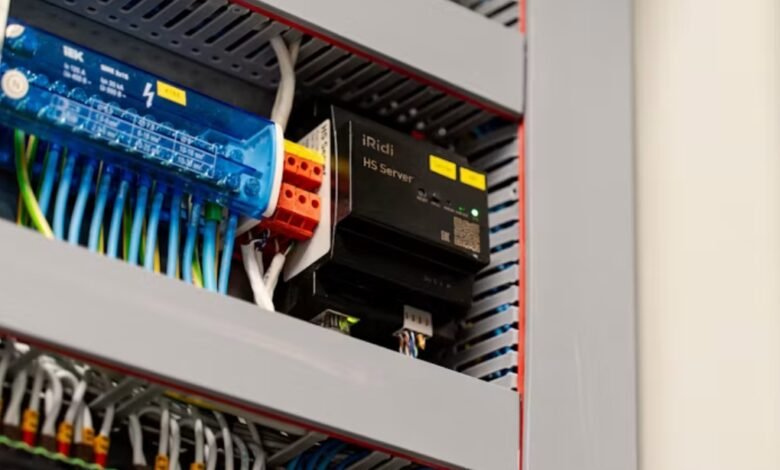
Software commands mean nothing without the physical force required to actuate heavy machinery. Low-voltage control devices act as the critical intermediaries between delicate microprocessors and high-amperage industrial motors.
- High-Frequency Execution: Solid-state relays execute thousands of software commands per minute without the mechanical degradation of traditional switches.
- System Protection: Industrial contactors safely manage immense electrical loads, preventing catastrophic surges from destroying automated assets.
- Operational Stability: Standardized electrical controls ensure consistent operational pacing, a necessity for synchronized global supply chains.
Economic Impact: ROI and Minimizing Costly Downtime
Evaluating automation hardware through the lens of initial procurement costs is a fundamental strategic error. The true economic value of premium industrial components is measured entirely by long-term operational resilience.
In modern lean manufacturing, a single minute of unplanned downtime can trigger cascading financial losses across the entire supply chain. Substandard hardware directly inflates maintenance costs and destabilizes production quotas.
- Maintenance Reduction: Durable components require significantly fewer replacement cycles, slashing preventative maintenance overhead.
- Output Consistency: Reliable hardware eliminates micro-stoppages, ensuring facilities meet strict output targets and avoid delivery penalties.
- Asset Lifespan: Protecting expensive automated machinery with high-tier electrical controls exponentially increases the overall lifespan of the factory.
Sustainability and Future-Proofing Industry Standards
Beyond operational speed and financial returns, hardware modernization directly supports corporate ESG (Environmental, Social, and Governance) mandates. High-efficiency industrial control components minimize electrical leakage and optimize power consumption across the facility.
Upgrading the physical layers of factory automation is no longer solely about production speed; it has become a fundamental pillar for corporate sustainability strategies. According to comprehensive analyses on advanced manufacturing by the World Economic Forum (WEF), deploying optimized, highly efficient industrial control hardware significantly reduces manufacturing carbon footprints and energy waste, making hardware modernization an absolute prerequisite for greening global supply chains.
Key Takeaways
| Area | Key Takeaway | Impact/Data |
| Sensors | Deploy photoelectric and proximity switches | Cuts raw material waste; enables predictive maintenance |
| Controls | Install solid-state relays and contactors | Prevents surge destruction; executes thousands of commands/min |
| Economics | Upgrade physical hardware before software | Eliminates micro-stoppages; lowers maintenance overhead |
| ESG | Modernize low-voltage control infrastructure | Slashes energy waste and carbon footprint per WEF standards |
Conclusion: Investing in the Physical Layer of Tech
Digital transformation strategies that ignore the physical layer are destined to fail under the pressure of real-world industrial demands. C-suite executives must recognize that software and hardware must evolve synchronously to build true supply chain resilience. Prioritizing capital investment in foundational control hardware is the only definitive method to secure sustainable, autonomous, and highly profitable manufacturing operations.