Trade shows represent a significant investment for most businesses, yet many companies struggle to justify the expense when results fall short of expectations. The difference between a profitable event and a costly disappointment often comes down to strategic planning and execution. Success requires more than simply showing up with a booth and some brochures. By implementing proven methodologies across nine critical areas, organizations can transform trade show participation from a necessary expense into a measurable revenue driver.
Setting Clear Goals and Success Metrics for the Event
Before investing thousands of dollars in booth space, travel, and materials, organizations must define what success looks like for their trade show participation. Concrete objectives might include generating a specific number of qualified leads, scheduling product demonstrations, or closing deals worth a defined revenue target.
Effective metrics extend beyond lead quantity to encompass lead quality, conversion rates, and customer acquisition costs. Companies should establish baseline measurements from previous events to enable meaningful comparisons. Digital tracking tools can monitor booth traffic, engagement duration, and post-event follow-up response rates.
Success metrics must align with broader business objectives and sales cycle realities. A company launching a new product requires different measurements than one focused on brand awareness or customer retention.
Clear goals enable teams to optimize resource allocation and evaluate true return on investment.
Choosing the Right Trade Show for Your Target Audience
Which trade shows deserve a company’s limited budget and resources? The answer lies in rigorous evaluation of attendee demographics against ideal customer profiles. Companies should analyze historical attendee data, industry representation, and decision-maker presence before committing funds.
Geographic considerations matter greatly. Regional shows may offer stronger local networking opportunities, while national events provide broader market exposure. The trade-off depends on current business objectives and expansion plans. It would not make sense for a HVAC company to attend a steel trade show. So compatibility is key here
Event size requires careful assessment. Smaller, niche conferences often deliver more qualified leads than massive industry gatherings where competition for attention intensifies. Companies must examine exhibitor-to-attendee ratios and past exhibitor testimonials.
Timing alignment with product launches or industry buying cycles maximizes impact. Attending shows when target customers actively seek solutions generates superior returns compared to arbitrary scheduling decisions.
Planning a Realistic Budget and Resource Allocation Strategy
Once a company selects the appropriate trade show, financial planning determines execution quality and overall success. Organizations must account for booth space rental, display materials, staffing costs, travel expenses, promotional items, and shipping logistics. A thorough budget should allocate 15-20% contingency funds for unexpected expenditures.
Resource allocation extends beyond monetary considerations. Companies need dedicated personnel for pre-show marketing, booth operations, and post-event follow-up. Assigning clear responsibilities prevents operational gaps and guarantees accountability.
Early budget development enables strategic decisions about booth size, location, and features. Premium positioning commands higher fees but generates increased visibility.
Organizations should evaluate past performance metrics to inform current spending levels, tracking cost-per-lead and conversion rates. This data-driven approach transforms budget planning from estimation into strategic investment, maximizing return potential while maintaining fiscal discipline.
Designing an Engaging Booth Activation That Attracts Visitors
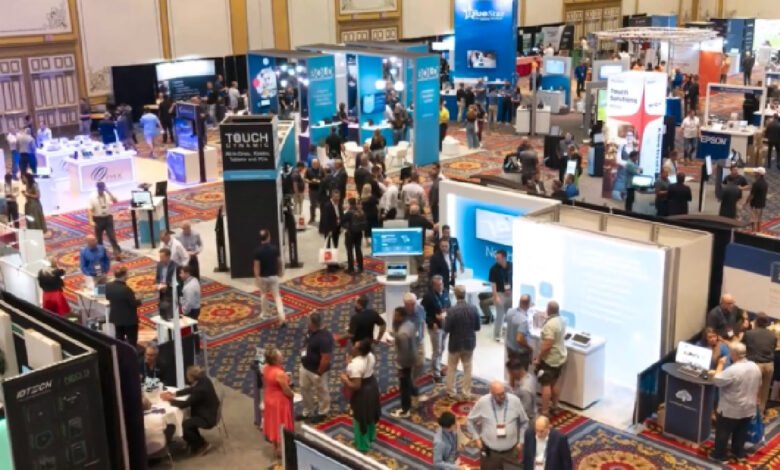
Trade show attendees navigate crowded exhibition halls with limited attention spans, making visual distinction the primary determinant of booth traffic. Strategic booth design requires elevated structures, bold signage, and dynamic lighting that creates visibility from multiple floor angles. Unique booth activation ideas is a necessity
Interactive elements such as product demonstrations, touchscreen displays, or gamified experiences should convert passive observers into active participants. Successful activations balance aesthetic appeal with functional flow. Open layouts invite exploration while preventing congestion at entry points.
Staff positioning matters: representatives should engage from booth perimeters rather than behind tables, eliminating psychological barriers to conversation. Sensory engagement amplifies memorability. Distinctive audio elements, product samples, or unexpected physical experiences differentiate brands within homogeneous environments.
Pre-show promotion through event apps and social media channels drives intentional booth visits, transforming random foot traffic into qualified prospect interactions that justify exhibition investments.
Training Staff to Qualify Leads and Deliver Consistent Messaging
Untrained booth staff squander qualified opportunities by engaging every passerby with identical pitches, consuming time on unqualified contacts while genuine prospects wait unattended.
Effective lead qualification requires staff to ask strategic questions within 30 seconds: budget authority, timeline, and specific pain points. Companies should develop a three-tier qualification system from hot, warm, and cold. This enables representatives to allocate appropriate time per interaction.
Pre-show training sessions must rehearse core value propositions, competitive differentiators, and objection responses. Role-playing exercises prepare staff for various visitor scenarios, ensuring consistent messaging regardless of which team member engages prospects.
Documentation protocols matter equally; staff need structured forms or mobile apps to capture qualifying data immediately, preventing information loss.
Daily debriefs during multi-day events allow teams to refine approaches based on actual floor performance.
Promoting Your Attendance Before and During the Event
Perfectly trained staff cannot engage prospects who never visit the booth. Organizations must actively promote their trade show presence through multiple channels before the event begins.
Email campaigns targeting existing customers and prospects should announce booth location, featured products, and scheduled demonstrations. Social media posts create awareness while offering incentives like exclusive previews or giveaways for booth visitors.
During the event, real-time promotion maintains visibility. Live social media updates showcasing demonstrations, visitor testimonials, and product launches generate interest from attendees browsing event hashtags.
Digital signage near the booth captures passing traffic, while strategic partnerships with event organizers can secure prominent placement in official communications. Pre-scheduled meetings with high-value prospects guarantee face-time, maximizing the return on booth investment and travel expenses.
Using Demonstrations Content and Giveaways to Increase Engagement
Live product demonstrations transform passive observers into engaged prospects by providing tangible proof of value. Scheduled demo times create traffic patterns and draw crowds, while hands-on experiences allow attendees to interact directly with products and understand their applications.
Strategic content placement amplifies engagement throughout the booth. Video displays showcase use cases and testimonials, while interactive touchscreens enable self-guided product exploration. Digital presentations should complement, not replace, personal interactions with booth staff.
Giveaways serve dual purposes: attracting visitors and reinforcing brand recall. High-quality items aligned with brand identity outperform generic trinkets.
Tiered giveaway strategies reward deeper engagement—basic items for initial contact, premium offerings for qualified leads who complete demonstrations or schedule follow-up meetings. This approach maximizes lead quality while controlling costs.
Following Up With Leads and Nurturing Sales Opportunities
The hours immediately following a trade show represent a critical window when prospect interest peaks and competitor interactions blur together. Organizations must initiate contact within 24-48 hours to maintain momentum and establish differentiation.
Effective follow-up requires segmenting leads by qualification level and engagement depth. High-priority prospects warrant personalized outreach referencing specific booth conversations, while broader contacts receive targeted email campaigns.
CRM systems should track all interactions, enabling sales teams to coordinate responses and prevent duplicate communications.
Nurturing strategies must deliver value beyond basic product information. Share relevant case studies, industry insights, or solutions addressing pain points discussed at the event. Schedule discovery calls with defined agendas rather than vague “checking in” messages.
Consistent touchpoints over 90 days transform initial interest into qualified opportunities, converting trade show investments into measurable revenue.
Measuring Results and Improving Future Event Performance
Without quantifiable metrics, organizations cannot determine whether their trade show investments generated positive returns or identify opportunities for optimization. Companies should track lead quantity, quality scores, conversion rates, and cost per acquisition. Revenue attribution models connect closed deals to specific events, revealing true ROI.
Post-event surveys capture attendee feedback and team observations while details remain fresh. Analysis should compare actual performance against predetermined objectives, examining booth traffic patterns, engagement duration, and material effectiveness. High-performing tactics deserve increased investment, while underperforming elements require adjustment or elimination.
Documentation creates institutional knowledge for future planning. Teams should maintain detailed records of booth designs, promotional strategies, staffing levels, and budget allocations alongside corresponding results.
This data-driven approach transforms each event into a learning opportunity, enabling continuous refinement of trade show strategies and progressively stronger returns.