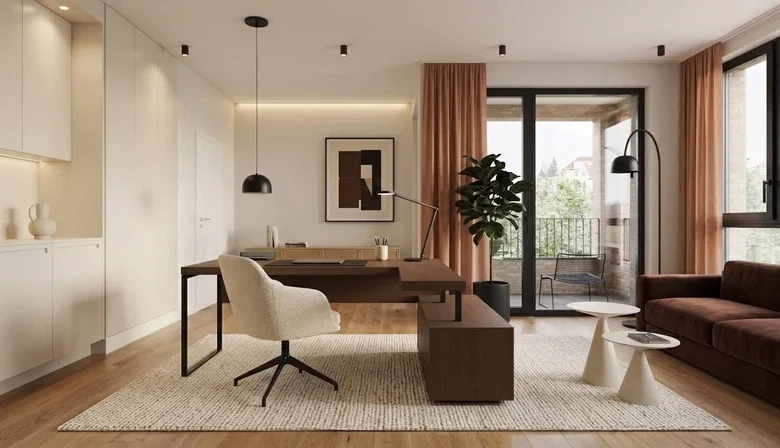
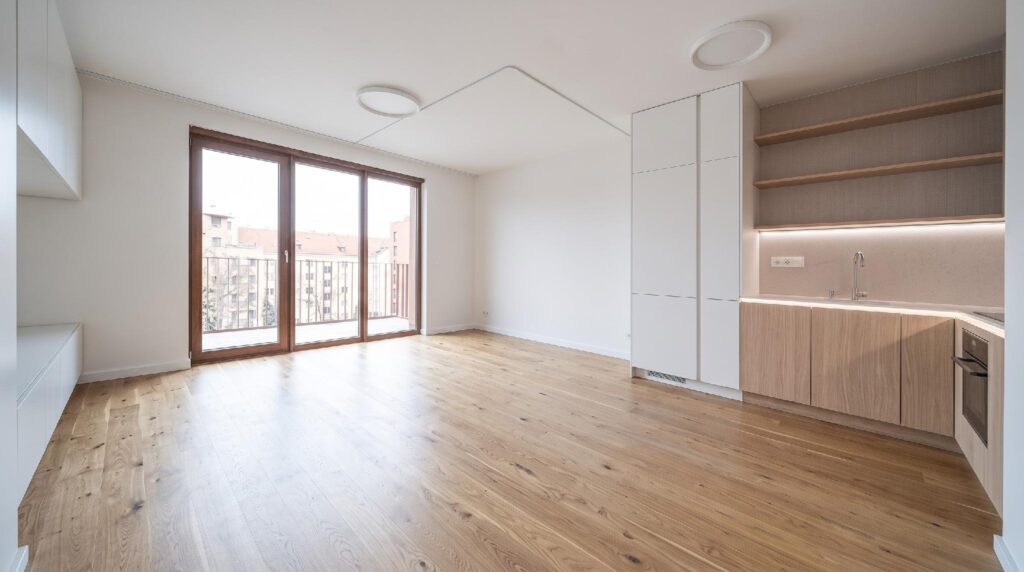
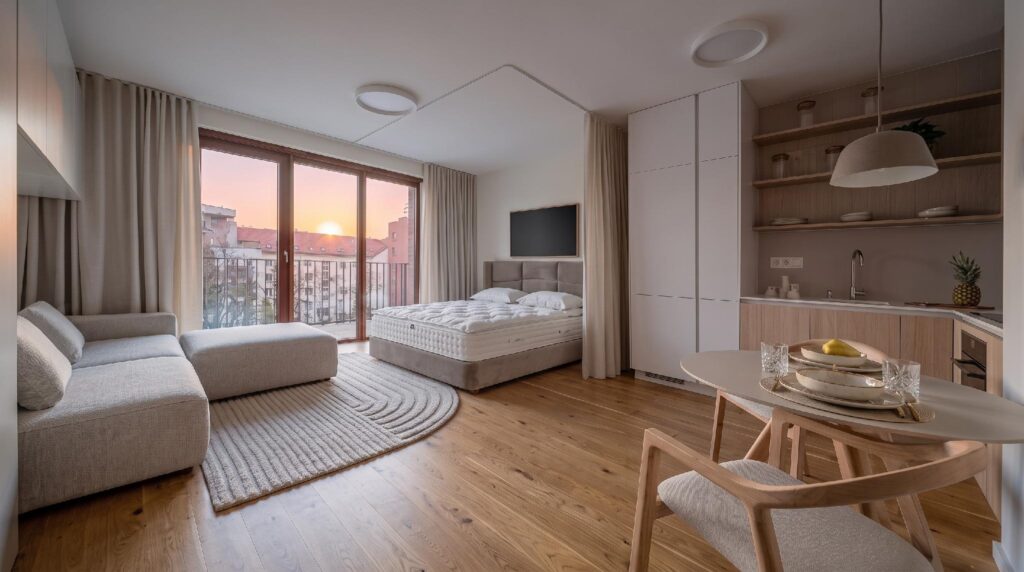
A working agent ran an empty listing through an AI redesign tool to see if it could replace a stager. Here is where it won, and where it would have cost me a sale.
A single empty three-bed listing costs me $600 or more in rental furniture, movers, and a Saturday I do not get back, and every one of those dollars is spent before I know whether the staging will actually move the property, so when a client asked why I did not just use one of the AI room apps, I stopped dismissing them and ran MeltFlex AI’s staging tool against my own work. Its pitch is almost insulting to someone in my trade: upload a photo of an empty room, pick a style, and get a photorealistic, fully furnished version back in about 20 seconds, with no inventory and no delivery window.
I am paid to be skeptical of anything that promises to do my job for less money, so I went in expecting to catch it cutting corners, because catching corners is most of what a listing agent does. The added test I cared about, that a homeowner would not, is credibility: a staged photo that overpromises does not just disappoint a buyer, it costs me a second showing and a little of my reputation every time someone walks in and feels misled.
The app is narrower than a general image generator, which is exactly why it is useful. You upload the room, tell it the room type, and pick from a long list of styles, modern, Scandinavian, farmhouse, coastal, mid-century, Japandi, the ones buyers respond to. Seconds later the empty box comes back looking lived in.
What surprised me is how much it respects the actual room. The windows stayed where the windows are, the proportions carried over, the fireplace did not migrate across the wall. A staged photo that quietly invents a different room is worse than no photo, because buyers feel lied to when they walk in. This mostly did not do that, and that is the only version of AI staging that is safe to put on a listing.
The Furniture Links are the Quiet Win
Here is the feature that changed how I think about it. The furniture in the render is tied to real products from stores like IKEA, Amazon, and Wayfair, with prices and buy links attached. For a seller who wants to lightly furnish before listing, that turns a pretty picture into an actual shopping plan, and it lets me show a client a look and its real cost in the same breath.
Where it Would Have Burned Me
The first listing I fed it had agent photos shot with a wide lens in bad light, and the render came back warped and muddy. Garbage in, garbage out is very real. Once I reshot straight on in daylight it looked like a different product, but the app never told me that up front, and an agent in a hurry will blame the tool for their own photo.
It also takes small liberties with the space, which matters when a buyer shows up with a tape measure expecting the room to hold what the photo implied. And the furniture is the exact piece ‘or a similar alternative,’ so what a seller clicks is not always what they saw. The ‘4K’ label is generous too; the genuinely sharp export sits closer to 2K, which shows on a printed flyer even if it looks fine on a phone.
It Does not Stage the Actual House
The honest limit is the obvious one. This stages the photo, not the walkthrough. A buyer still steps into an empty room and has to imagine it themselves, and physical staging still wins the open house. I would use this to sell the click and set expectations, not to replace the furniture that makes people linger.
What it Costs, and Who it is For
You can start free, though the allowance is thin. Paid plans scale with usage, ranging from roughly $29 a month at the standard tier to about $59 for Pro, with sharper renders available on the higher plans. Pricing varies by region. For a homeowner staging one room once, a subscription is an awkward fit. For an agent running a listing a week, the math flips fast, and that is exactly the person this is built for.
The Verdict
After running it against my own work, my read is this. It will not replace a good stager on a high-end listing, and it will not carry an open house. But for a fast, cheap, honest first look that comes with a real shopping list, it earns its place in the workflow. It did not stage the house. It did give me a listing photo and a furniture budget in the time it takes to lock the front door, and for a lot of listings that is enough.