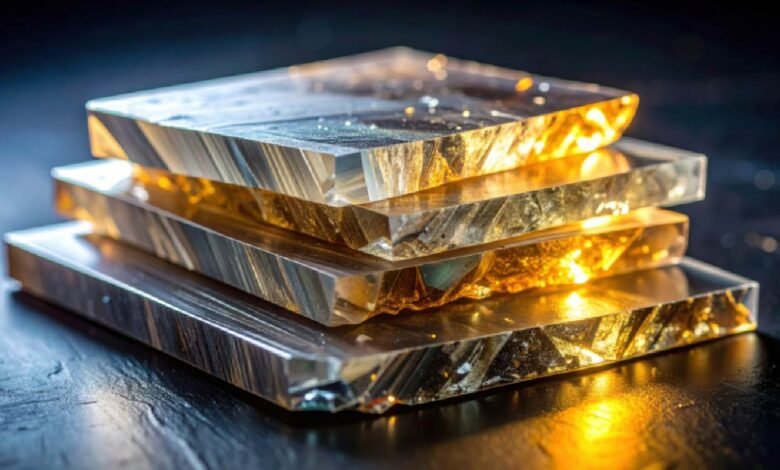
Mica is known to be an excellent insulator. It has a high electrical resistance and strong dielectric properties. More importantly, it has the ability to withstand high temperatures. This is why it is used for insulation for electrical materials. It is used as an insulating material across industries like aerospace systems, power generation and high-voltage applications.
What Is Mica?
Let’s now look at what mica is. It is a silicate mineral formed through geological processes. It is known for its layered crystal structure which is then split into thin sheets. The commonly used types of mica in the industry for insulation are muscovite mica, phlogopite mica and synthetic mica.
Mica is often made into sheets, tapes, papers, and laminates. The mineral is known for its electrical insulation with thermal stability. And that is why it is known to operate well in harsh environments.
Why is Mica considered a good electrical insulator?
Electrical insulation materials help to keep current away from places it does not need to be in. And that’s the reason mica is an excellent electrical insulator. It has high dielectric strength, high electrical resistivity, low dielectric loss and arc resistance.
These properties are what make mica reliable for insulation. It is suitable even in high heat, vibration, moisture, and electrical stress. Engineers opt for products designed for mica sheet electrical insulation in applications because they don’t want any failure.
How Does Mica Prevent Electrical Current Flow?
Mica’s insulating ability is because of its atomic structure. The electrons inside the mineral are tightly bound to their atoms. That’s what makes the electrical current pass through the mineral. This is measured through properties such as dielectric strength and volume resistivity.
Key Electrical Properties of Mica
These are the reasons why mica is a preferred insulation material:
1. High dielectric strength
Dielectric strength checks how much voltage a material can withstand. Mica’s dielectric strength is what makes it sustain high-voltage systems and electrical equipment.
2. High Electrical Resistivity
Electrical resistivity is how strongly a material resists current flow.
Mica exhibits extremely high-volume resistivity. That’s what makes it effective at isolating energized components.
3. Low Dielectric Loss
Low dielectric loss means less electrical energy is turned into heat and this helps with system efficiency and gives long-term durability.
4. Thermal Stability
Many insulation materials are unable to withstand high temperatures. Mica maintains electrical and mechanical properties under harsh conditions.
How Does Temperature Affect Mica Insulation Performance?
The mica sheet temperature range depends on the material type and construction.
Typical performance ranges include continuous service temperatures above 500°C for many mica products. Phlogopite mica systems are capable of handling temperatures approaching 800°C to 1000°C in certain applications.
Where Is Mica Used for Electrical Insulation?
Mica as an insulation material in industries such as electric motors, power generators, transformers, aerospace systems and electric vehicles.
Motor windings have mica-based insulation to avoid short circuits and electrical issues. Large generators have mica insulation systems to deal with high voltages and thermal cycling.
Mica helps maintain electrical separation between energized components. Aircraft function under extreme temperatures and vibration. Mica provides reliable insulation where conventional materials do not. Modern EV battery systems use mica-based barriers to have thermal and electrical protection.
How Do Mica Sheets Compare With Other Insulation Materials?
Mica has high temperature resistance and dielectric strength. Fiberglass, on the other hand, comes at a lower cost and is easier to fabricate compared to mica.
If you compare mica and plastics as insulating materials, plastic is lightweight and economical, but plastics degrade under high temperatures.
When it comes to ceramics, it has high heat resistant but they can turn brittle.
Whereas mica offers a balance of thermal performance, flexibility, and electrical insulation.
This combination is why many engineers opt for a mica electrical insulation sheet when designing systems with heat and electrical stress.
What Are Some Real-World Examples of Mica Insulation?
Turbine generators
Large power station generators use mica-based insulation around stator windings. These systems function for years under high electrical loads and are quite efficient.
Aircraft Electrical Systems
Aircraft manufacturers use mica insulation in components that undergo high temperatures, mainly engines and auxiliary power units.
How to buy mica insulation sheets?
When buying mica insulation products, you should look for its dielectric strength. Other things to look for are temperature exposure, mechanical strength, and industry certifications.
Quick Answers
Is mica an insulator?
Yes, mica is an insulator. It is one of the most reliable electrical insulation materials used across industries.
Does mica conduct electricity?
No, it does not. Mica has excellent electrical resistance and that is why it is a good insulating material.
Why is mica used in electrical equipment?
Because it has high dielectric strength and heat resistance.
Can mica withstand high temperatures?
Yes, the mica sheet can withstand hundred degrees Celsius to 1000°C in specialized applications.
Frequently Asked Questions
Is mica better than plastic insulation?
Mica is suitable for high-temperature and high-voltage applications. Whereas plastic-based insulation materials degrade under high temperatures.
Why is mica popular in aerospace applications?
It is because of its lightweight properties, electrical insulation, flame resistance, and thermal stability.
Conclusion
Mica is an excellent insulator because of its high dielectric strength, electrical resistance, arc resistance, and thermal stability. It is one of the most reliable insulation materials.
Mica is used across industries from aircraft systems to electric vehicles and industrial furnaces. It is an insulating material which performs well wherever electrical safety and high-temperature performance are needed.