Navigating the U.S. Exhibition Circuit: A Guide for International Businesses Launching in America

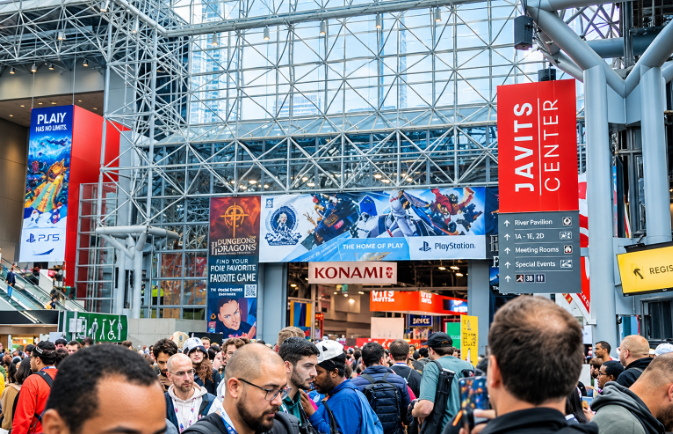
The Strategic Importance of Major U.S. Trade Shows (CES, SEMA, NPE)
For European and international founders, establishing a physical presence at premier American trade shows is a mandatory step for U.S. market penetration. Mega-events like CES (Las Vegas), SEMA (Automotive), and NPE (Plastics) serve as the ultimate proving grounds for global brands. Securing floor space at these exhibitions signals market commitment to American distributors and corporate buyers, drastically accelerating cross-border business development.
Understanding U.S. Trade Show Labor and Logistics Laws
The Reality of Union Labor in Venues Like Las Vegas and Chicago
For foreign companies, the most jarring aspect of exhibiting in American convention centers is the strict enforcement of union labor rules regarding installation and dismantling. Partnering with a specialized U.S. local contractor like Aplus Expo, which maintains deep operational experience in major hubs like Las Vegas and Chicago, ensures that international exhibitors avoid costly labor penalties, union disputes, and drayage surprises during move-in day.
Unlike European venues where exhibitors can often assemble their own displays, U.S. mega-venues operate under rigid jurisdictional labor guidelines. Specific union branches govern who is legally permitted to plug in an electrical cord, operate a forklift, or bolt aluminum trusses together. Violating these rules results in immediate work stoppages and severe financial penalties.
Custom Fabrication vs. Local Booth Rental: A Financial Breakdown
Avoiding the Pitfalls of Cross-Atlantic Freight
International brands frequently attempt to ship their existing European exhibition assets across the Atlantic. This strategy typically results in financial disaster due to exorbitant shipping container costs, volatile customs delays, and massive drayage (material handling) fees billed by the pound upon arrival.
The most viable financial solution for market entry is local U.S. turnkey rental. By sourcing heavy materials, truss systems, and custom graphics directly from an American fabrication house, international firms convert high capital expenditures (CapEx) into predictable operational expenses (OpEx), completely bypassing maritime logistics risks.
Key Takeaways
| Area | Key Takeaway | Impact/Data |
| Strategy | Anchor flagship expos (CES, SEMA, NPE) | Accelerates U.S. distributor and buyer acquisition |
| Labor | Contract certified local union builders | Prevents mandatory work stoppages and heavy fines |
| Logistics | Halt transatlantic display freight | Eliminates volatile customs delays and per-pound drayage |
| Finance | Pivot to local turnkey booth rentals | Converts heavy CapEx into predictable OpEx |
| Design | Deploy 20×20 interactive quiet zones | Replaces passive brochure stands with closing spaces |
Designing for the American B2B Consumer
American corporate buyers navigate overwhelmingly large exhibition halls, making spatial planning and visual impact critical to success. A standard 20×20 island booth must deploy clear, bold messaging and interactive product demonstrations that deliver immediate value propositions.
Capturing attention on a crowded American show floor requires more than just bold signage; it demands a psychological approach to spatial design. Studies in consumer behavior demonstrate that B2B buyers are more likely to engage in high-value conversations when a booth features designated quiet zones and interactive product demonstrations rather than passive brochure stands.