The Ultimate Guide to Portable Air Conditioning Solutions for Every Space

As temperatures rise, the need for effective cooling solutions becomes paramount. Portable air conditioning units offer flexible and efficient options to maintain comfort in various environments. This comprehensive guide explores the benefits, types, and applications of portable air conditioning, highlighting how these systems can adapt to diverse spaces.
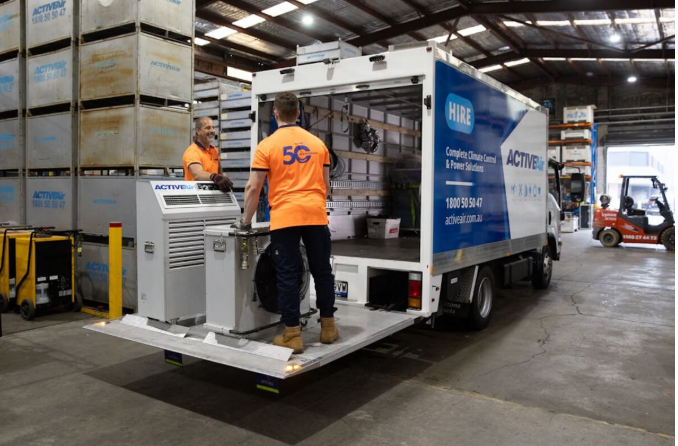
For those seeking immediate and convenient solutions, portable air conditioning for hire is an excellent option. Hiring units from a specialised provider ensures access to modern equipment suited to specific cooling requirements without long-term commitments.
Understanding Portable Air Conditioning
Portable air conditioners are self-contained units designed to cool individual rooms or spaces without requiring permanent installation. They typically feature wheels for ease of mobility, a hose to vent hot air outside, and adjustable settings to control temperature and fan speed.
These units are particularly advantageous in locations where fixed air conditioning systems are impractical or prohibited. They offer the flexibility to be relocated between rooms as needed, making them ideal for both residential and commercial settings.
Advantages of Portable Air Conditioning
There are numerous reasons to consider portable air conditioning solutions. Firstly, the ease of installation eliminates the need for structural modifications or professional fitting, thereby reducing upfront costs. Secondly, their mobility allows users to optimise cooling in areas where it is most required at any given time.
Additionally, portable units can complement existing HVAC systems by providing targeted cooling, helping to reduce overall energy consumption. Their compact size is beneficial for limited space environments, and many models incorporate features such as dehumidification and air purification.
Types of Portable Air Conditioning Units
Several categories of portable air conditioners exist, each tailored to particular needs. Single-hose models draw air from the room, cool it, and expel warm air outside through an exhaust hose. Dual-hose units have separate intake and exhaust hoses, improving efficiency by drawing air from outdoors instead of the room itself.
Evaporative coolers, another variant, operate by passing air over a water-saturated pad, offering energy-efficient cooling in dry climates. However, they are less effective in humid environments.
Key Features to Consider
When selecting a portable air conditioner, several factors warrant consideration. Cooling capacity, measured in British Thermal Units (BTUs), should correspond to the room size to ensure sufficient cooling. Energy efficiency ratings help minimise operational costs, while noise levels impact suitability for quiet environments.
Additional functionalities, such as programmable timers, remote control, and multiple fan speeds, enhance user convenience. The ease of maintenance, including filter accessibility, also influences long-term satisfaction and performance.
Applications in Different Spaces
Portable air conditioners are versatile tools for various settings. In residential homes, they provide quick relief in bedrooms, living rooms, or home offices. For temporary accommodations or rented properties, portable units negate the need for permanent installation.
Commercial environments such as offices, server rooms, workshops, and retail spaces benefit from the targeted cooling portable systems offer. Industrial settings can also utilise robust models to maintain optimal working conditions.
Installation and Maintenance Guidelines
Proper installation is critical for efficient operation. The exhaust hose must be directed through a window kit to the outside, ensuring hot air is expelled effectively. Adequate ventilation and clearance around the unit are necessary to avoid overheating or reduced airflow.
Regular maintenance includes cleaning or replacing filters, checking the exhaust hose for leaks, and draining accumulated condensate if necessary. Following manufacturer recommendations extends the lifespan and maintains air quality.
Cost Considerations
Investing in portable air conditioning encompasses initial purchase or rental fees, operating costs, and occasional maintenance expenses. Renting from providers like Aircon Rentals allows flexible budgeting by eliminating the need for upfront investment and servicing concerns.
Operational costs are influenced by energy consumption and usage patterns. Selecting energy-efficient models and utilising features such as timers can mitigate expenses.
Environmental Impact
Modern portable air conditioners incorporate environmentally friendly refrigerants and energy-saving technologies. Responsible usage, including shutting units off when not needed and regular upkeep, contributes to reducing carbon footprints.
Hiring units also support eco-conscious practices by promoting equipment reuse and minimising waste associated with manufacturing new appliances.
Conclusion
Portable air conditioning solutions provide adaptable, cost-effective cooling across a range of spaces. Whether for residential, commercial, or temporary use, these units offer convenience and performance without the constraints of fixed installations.
Engaging with trusted providers for portable air conditioning for hire ensures access to the latest technology and expert support, optimising comfort and efficiency throughout warmer periods.