The Business of Aesthetics: How Premium Packaging Drives Revenue in the Fashion & Beauty Sectors


Introduction
In the hyper-competitive and increasingly homogenized consumer market of 2026, the traditional boundary between a formulation and its container has completely vanished. Today’s most successful beauty and fashion executives understand a fundamental commercial reality: packaging is the product.
Before a consumer ever smells a fragrance or applies a serum, their initial physical and visual interaction forms an immediate, subconscious value assessment. This primary tactile touchpoint is so critical that it dictates up to 80% of an independent brand’s pricing power and market positioning.
A breathtaking formula housed in a lightweight, uninspired vessel instantly loses its luxury status. Therefore, engineering a flawless physical presentation is no longer a downstream operational task; it is the ultimate differentiator that commands premium margins. Compact complexion products show this clearly, since a refillable cushion foundation lives in a handbag and is opened in public several times a day.
The Financial Impact of “Unboxing” in the Digital Era
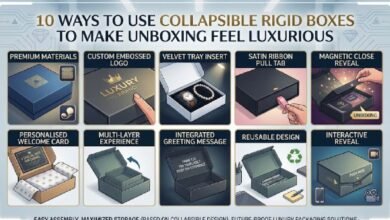
In today’s digitally driven retail landscape, the unboxing experience serves as a highly lucrative, user-generated marketing engine. When consumers share their purchases on social media, the visual weight, auditory clink, and structural elegance of the packaging directly translate into digital brand equity.
In the highly visual fashion and beauty sectors, the first physical interaction a consumer has with a product sets the definitive price anchor. Achieving this premium tactile experience requires meticulous material sourcing.
For brands aiming to scale without losing their artisanal appeal, partnering with a robust glass bottle manufacturer like Nuvole Glass is a strategic necessity. This structural backing ensures that the bespoke design, clarity, and weight of the packaging remain flawlessly consistent, whether for a limited exclusive drop or widespread global distribution.
Material Psychology: Why Glass Remains the Ultimate Luxury
- The Weight of Value: Consumers possess a deeply ingrained psychological bias that equates physical heaviness with intrinsic quality. A solid, heavy glass base provides the crucial haptic feedback needed to justify an elite price point.
- Uncompromising Purity: Utilizing Super Flint Glass delivers extreme optical clarity. This allows the product’s natural hues to shine without distortion, subconsciously signaling purity and clean formulations to the buyer.
- Thermal Sensations: The cold, smooth touch of premium glass upon first contact creates a visceral sensory experience that plastic simply cannot mimic, reinforcing the product’s luxury positioning.
- Auditory Resonance: The distinct, heavy sound of a glass bottle being set on a vanity translates into a daily ritual of luxury, drastically improving long-term customer retention.
Navigating the Supply Chain: Sourcing for Scale and Aesthetics
As independent beauty and fashion brands transition from niche markets to global retail expansion, their supply chain infrastructure often faces catastrophic strain. Expanding operations while attempting to maintain artisanal quality is the ultimate operational paradox.
Securing a resilient manufacturing pipeline is critical for avoiding out-of-stock scenarios during peak demand. A brand’s aesthetic vision is only as strong as the industrial capabilities operating behind the scenes.
The Critical Role of Custom Tooling
- Defending Visual Identity: Investing in proprietary custom tooling ensures your product silhouette remains distinct. This architectural uniqueness acts as a highly effective moat against generic copycats.
- Seamless Scalability: High-quality custom molds allow a brand to transition from small-batch production to massive retail distribution without sacrificing the intricate design details that defined their early success.
- Brand Asset Creation: A bespoke bottle shape becomes a recognizable, trademarked asset. Over time, the silhouette alone can trigger instant brand recognition on crowded retail shelves.
Consistency and Quality Control at Scale
- Automated Defect Scanning: When manufacturing hundreds of thousands of units monthly, implementing multi-angle optical sorting is mandatory to eliminate micro-fractures and surface imperfections.
- Zero-Leakage Imperative: Precision engineering at the bottleneck thread is a matter of brand survival. A single batch of leaking products can trigger massive retail chargebacks and severely damage consumer trust.
- Thermal Resilience: High-capacity production requires packaging that can withstand extreme temperature fluctuations during automated filling processes without cracking or degrading.
Sustainable Luxury: The Non-Negotiable Baseline of 2026
Modern affluent consumers absolutely refuse to compromise between opulence and ecological responsibility. In 2026, implementing a circular economy framework is no longer an optional public relations exercise; it is a mandatory requirement for securing premium retail shelf space.
Glass sits uniquely at the intersection of these two demands, offering an uncompromising luxury feel while serving as an infinitely recyclable substrate. This allows brands to bypass the risks of greenwashing and build a radically transparent supply chain.
Sustainability is no longer an alternative marketing angle; it is an absolute baseline demanded by modern consumers who refuse to compromise between luxury and environmental responsibility. The industry’s pivot toward infinitely recyclable materials like glass is a direct response to this permanent market shift. In fact, extensive market analysis by Vogue Business on sustainable fashion and beauty trends illustrates that brands aggressively integrating eco-conscious packaging consistently outpace their competitors in both long-term customer retention and overall brand equity.
Key Takeaways
| Area | Key Takeaway | Impact/Data |
| Pricing Power | Upgrade to heavy glass packaging | Dictates up to 80% of pricing power |
| Brand Defense | Deploy proprietary custom molds | Creates visual moat and protects IP |
| Quality Control | Mandate automated optical defect sorting | Eliminates micro-fractures and zero-leakage risks |
| Sustainability | Adopt infinitely recyclable glass substrate | Outpaces competitors in customer retention |
Conclusion
Ultimately, ambitious founders and supply chain executives must fundamentally reframe how they view their packaging architecture. It is never a backend operational cost; it is an upfront, revenue-generating marketing asset.
The physical materials you select define your market position, authenticate your luxury claims, and secure your long-term margins. By locking in top-tier manufacturing partnerships and prioritizing sustainable, premium materials from day one, brands can confidently dominate the high-end consumer market.