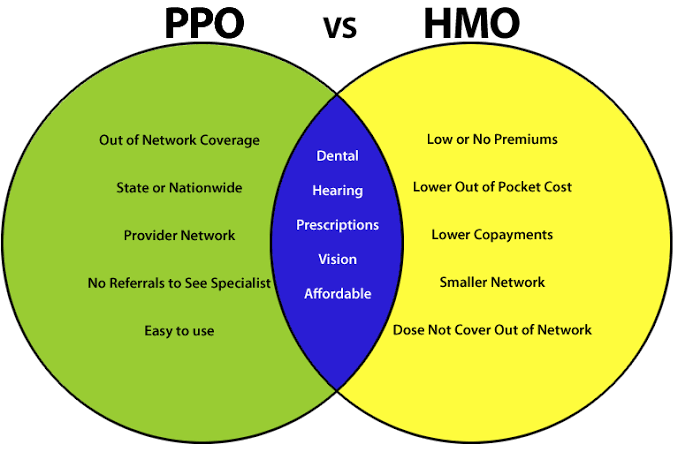
You may struggle to pick the right PPO health plan for your needs and budget. PPO plans let you see doctors outside the network, but they often cost more. This post compares premiums, deductibles, copays, networks, and benefits to help you choose.
Keep reading.
Cost Considerations
Cost matters a lot when choosing a PPO health plan. Look at premiums, deductibles, and other out-of-pocket costs to find the best option for you.
Monthly premiums
Your monthly premium sets the fixed amount you pay each month for a PPO plan. Higher premiums often mean lower deductibles and smaller out-of-pocket expenses, so compare prices and benefits before enrollment.
Deductibles
While premiums pay for coverage, deductibles set the amount you pay before the plan shares costs. High deductibles can lower monthly premiums. Low deductibles raise monthly costs.
Deductibles affect out-of-pocket expenses for PPO plans. You pay full price for care until the deductible is met. Some services count toward the deductible, while others do not. Check coverage options and network providers to see which services apply.
Copays and coinsurance
After you check deductibles, look at copays and coinsurance. Copays set a fixed fee for doctor visits, urgent care, or specialist appointments in PPO plans. Coinsurance charges a percentage of the allowed cost after you meet the deductible.
Check how both affect your out-of-pocket expenses and network providers. A low premium can still mean high copays or coinsurance for frequent care. Add the numbers to compare total cost and coverage options.
Out-of-pocket maximums
Out-of-pocket maximums are essential in PPO health plans. This is the most you will pay for covered services in a year. After reaching this limit, your insurance pays 100% of the costs for covered care. This includes deductibles, copays, and coinsurance.
Choosing a plan with a lower out-of-pocket max can save you money if you use many services. Plans with high limits may have lower monthly premiums but could cost more if you need frequent care. Understanding these amounts helps you assess expenses effectively. The next aspect to consider is provider networks and accessibility.
Provider Network and Accessibility
The choice of in-network or out-of-network providers can greatly impact your care and costs. Make sure to check which doctors and hospitals are included in each plan. This can affect how easily you receive treatment.
You may want to find a plan that offers good access to the providers you like. Keep reading for more insights!
In-network vs. out-of-network coverage
Know how network status affects care and cost.
| Aspect | In-Network | Out-of-Network |
|---|---|---|
| Cost | Insurer negotiates lower rates. You pay smaller copays and coinsurance. | Providers set higher fees. You face larger coinsurance and possible balance billing. |
| Deductible | Many plans apply a lower in-network deductible. It can be easier to reach your out-of-pocket max. | Out-of-network visits often count toward a separate, higher deductible. Costs add up faster. |
| Referrals and Authorizations | Some plans waive referrals for in-network specialists. Prior authorization stays required for certain services. | Referrals rarely help with payment. Prior authorization may be harder to secure. |
| Emergency Care | Insurer usually covers emergency care even if provider is out of network. You still may owe higher cost sharing. | Emergency visits can lead to surprise bills. Confirm how the plan handles facility and doctor charges. |
| Paperwork | Billing flows directly between provider and insurer. You file fewer claims. | You might need to submit claims yourself. Reimbursement can take longer. |
| Provider Choice | Plans list in-network doctors and hospitals. You gain predictable costs. | You keep access to non-network specialists. Expect higher outlays for that access. |
| Continuity of Care | Staying with in-network providers avoids care disruptions. Specialists coordinate through the plan rules. | Switching plans may require new approvals. Ongoing treatment can become more costly. |
| What to Check | Confirm provider status in the plan directory. Compare in-network copays for common services. | Ask about balance billing rules. Estimate total yearly costs, including higher deductibles and coinsurance. |
Flexibility in choosing providers
PPO plans offer great flexibility in choosing providers. You can see any doctor or specialist without needing a referral. This allows for easier access to specialists if you need one.
Using an in-network provider usually lowers your costs, but out-of-network options are also available. Not all plans have the same network size, so check how many doctors and hospitals are included. For example, when reviewing Aetna PPO plans in Colorado, consider the provider network, deductibles, coinsurance, prescription coverage, and out-of-pocket costs.
Having choices can make it simpler to find care that meets your needs. Always look at the specific providers covered by each plan when making your decision.
Specialist Rules and Referrals
Some PPO plans require referrals to see specialists. This can affect how quickly you get care. You might need to visit your primary doctor first. Check the rules for each plan before deciding.
Want to know more?
Need for referrals to see specialists
PPO health plans often require referrals to see specialists. A referral comes from your primary care physician (PCP). You usually need one before you meet with a specialist. This rule helps manage costs and ensures proper care.
Access to primary care physicians is important in this process. Your PCP will guide you and help determine if seeing a specialist is necessary. Knowing the requirement for referrals can affect how you choose your healthcare plan.
Understanding these rules will aid in comparing different PPO health plans effectively.
Access to primary care physicians
Access to primary care physicians is a key aspect of any health insurance plan. Primary care doctors help manage your overall health. They treat common problems and assist with preventive care.
You may need to visit them regularly for check-ups, vaccinations, or urgent issues.
Some PPO plans allow direct access to these doctors without referrals. This gives you the freedom to choose your own provider. If you prefer an out-of-network physician, keep in mind that it might cost more.
Understanding how each plan handles this can influence your decision-making process about which standards best fit your needs.
Next, consider the specialist rules and referrals in your chosen plan.
Additional Factors to Evaluate
Think about how the plan works for travelers and if it meets your personal health needs. Read more to find out what else you should think about when choosing a PPO health plan.
Coverage for frequent travelers
Frequent travelers need health plans that cover them while away from home. Look for PPO plans with broad networks. This means you can find doctors and hospitals in many locations.
Check if the plan covers medical care outside your home state. Some plans offer emergency coverage nationwide or overseas. Know your options before choosing a plan to avoid high out-of-pocket expenses while traveling.
Consider how the plan fits your travel habits and any recurring medical needs.
Plan compatibility with your medical needs
Assess how well a PPO plan fits your medical needs. Look at the services you use most often. Check if the plan covers those services fully. Some plans may not cover certain medications or treatments that you need.
Consider your ongoing health conditions too. Ensure that specialists are in the network and available without high costs. If you travel frequently, check if the plan provides coverage outside your home area.
Choose a plan that supports your health goals and reduces out-of-pocket expenses whenever possible.
Conclusion
Consider your needs when comparing PPO health plans. Look closely at costs, including premiums and deductibles. Check the provider network to see if your doctors are included. Think about how referrals work for specialists.
Choose a plan that fits your medical needs and lifestyle. Making an informed choice now will help you later.