Mobile Tyre Fitting St Albans: What to Expect From a Professional On-Site Service

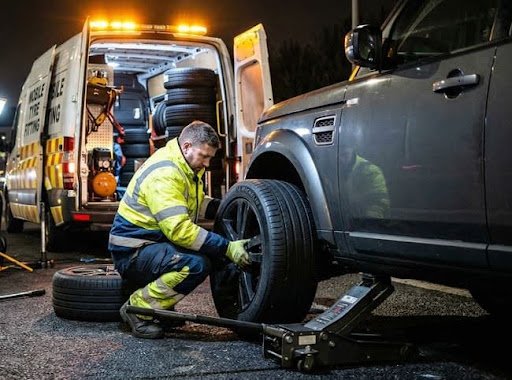
A tyre problem can interrupt a journey, a workday or a school run with very little warning. A puncture, sidewall damage or badly worn tyre may leave a vehicle unsafe to drive to a workshop, which is where mobile fitting becomes useful. Instead of moving the car, the service brings the equipment and replacement tyre to a safe location so the work can be completed on-site.
Start With the Correct Tyre Information
The quality of a mobile fitting visit depends heavily on having the right tyre before the technician travels. Drivers should provide the full tyre size from the sidewall, the vehicle registration where useful and the affected wheel. Clear photographs can help if the damage is unusual or the sidewall markings are difficult to read.
A professional mobile tyre fitting St Albans service should confirm availability, price and the basic job details before dispatch. That reduces delays and helps ensure the technician arrives with the correct tyre, valves and equipment. If more than one tyre may need replacement, the driver should mention that at the booking stage.
Choose a Safe Working Location
Mobile fitting works best on a driveway, private car park, workplace parking area or another level location away from moving traffic. The technician needs enough space to position equipment, jack the vehicle safely and work around the affected wheel. A tight roadside position can make an otherwise simple replacement unsafe.
If the vehicle is on a fast road or in a live traffic lane, personal safety comes first. Drivers should follow official roadside guidance and move to a safer position if possible before arranging tyre work. A mobile fitter can only work where the vehicle and technician can be protected from traffic.
Understand Whether the Tyre Can Be Repaired
Not every puncture requires a new tyre. Small tread-area punctures may sometimes be repairable if the tyre remains structurally sound and the damage falls within accepted repair criteria. Sidewall damage, large cuts, exposed cords, severe impact damage or a tyre driven while flat can make replacement the safer option.
The technician should inspect the tyre rather than assume every puncture needs replacement. A proper assessment can save money where repair is suitable, while also preventing an unsafe repair where structural damage is present.
Expect Proper Fitting Equipment
Mobile tyre vans are designed to bring workshop capability to the vehicle. Depending on the service, equipment may include jacks, tyre-changing machinery, compressors, balancing tools and wheel-nut equipment. The fitting process should protect the wheel and ensure the tyre is seated correctly.
Wheel nuts should be tightened appropriately after fitting, and the technician should check tyre pressure before the vehicle returns to normal use. If balancing is part of the service, it can help reduce vibration and uneven wear.
Check the Other Tyres While the Vehicle Is Stationary
A mobile visit is a useful opportunity to look at the condition of the remaining tyres. Uneven wear, low tread, cracks or pressure differences may indicate that another tyre needs attention soon. This does not mean every tyre should be replaced automatically, but a quick visual check can prevent another avoidable breakdown.
Drivers should also pay attention to repeated uneven wear because it can suggest alignment, suspension or pressure issues. A tyre replacement solves the damaged tyre, but the underlying wear pattern may need separate investigation.
Know the Difference Between Convenience and Emergency Work
Mobile fitting is useful both for planned replacement and urgent breakdowns. A driver may book fitting at home or work because it is more convenient than visiting a tyre depot, while another may need help because the vehicle cannot be driven safely. The service process should be clear in either case.
Emergency work can involve additional constraints such as location, time and tyre availability. Good communication before dispatch helps the driver understand what can realistically be done and avoids false expectations about response or stock.
Keep the Vehicle Details Ready
Vehicle registration, make and model can help confirm the correct tyre specification, but the sidewall size should still be checked. Tyres with the same diameter may have different width, profile, load or speed ratings. Using the correct specification matters for handling, safety and compatibility.
If the vehicle uses run-flat tyres, reinforced tyres or a less common size, that should be mentioned in advance. Specialist specifications may affect stock and fitting requirements.
Ask What Is Included in the Price
A clear quote should explain whether the price includes fitting, balancing, valves, disposal of the old tyre and the call-out itself. This makes it easier to compare services and avoids surprises when the technician arrives. Customers should also ask about payment arrangements if they are not stated clearly.
The cheapest tyre is not always the best value. Brand, expected mileage, wet-weather performance and vehicle use can all matter. A professional fitter should be able to explain practical choices without pushing a product that does not suit the driver’s needs.
Use Mobile Fitting as Part of Routine Tyre Care
Mobile fitting is not only a breakdown service. Drivers can use it for planned tyre replacement at home or work, reducing the time spent travelling to and waiting at a garage. This can be useful for busy households, small fleets and people who want tyre work completed around their schedule.
Regular pressure checks, tread inspection and attention to damage remain essential between fittings. Catching a problem early can turn an emergency replacement into a planned appointment.
Choose a Service That Prioritises Safety and Clarity
A mobile fitter should confirm the tyre details, assess the working location and explain whether repair or replacement is appropriate. The process should feel controlled rather than rushed, even when the customer is dealing with an unexpected tyre failure.
Working with QuickGrip or another experienced mobile tyre provider should give the driver a safe and practical solution without needing to move an unsafe vehicle. The second-last consideration is whether the service brings the correct equipment and tyre, communicates clearly and works only where the vehicle can be handled safely.
Mobile tyre fitting is valuable because it removes the need to drive a damaged vehicle to a workshop. When the booking information is accurate, the working location is safe and the tyre is assessed properly, on-site fitting can turn a disruptive problem into a straightforward repair or replacement with minimal interruption. Keeping a simple record of tyre sizes, replacement dates and recurring wear patterns can also make future bookings faster and help drivers plan replacements before another roadside problem develops.